Hello, I’m Mr. Linen.
In a previous article, I discussed whether a pocket square is really necessary and in what situations it should be worn.

This time, I’d like to talk about how to fold and wear a pocket square.
Rather than explaining the standard folds—such as the TV Fold, Three Peaks, or Puff Fold—and how to make each one,
I’d like to introduce a style that I personally recommend: a fold that works in virtually any situation and strikes the perfect balance between being too flashy and too plain.
Want to Wear a Pocket Square Naturally
For anyone who doesn’t wear a pocket square every day, I think it can be surprisingly difficult to pull one off effortlessly.
It’s very easy to look as though you’re trying a little too hard.
Even so, I consider a pocket square an essential accessory. With a sport coat and trousers, it’s optional, but with a suit, I believe it’s best to wear one whenever possible.
So how can you wear a pocket square in a way that feels natural rather than overly deliberate?
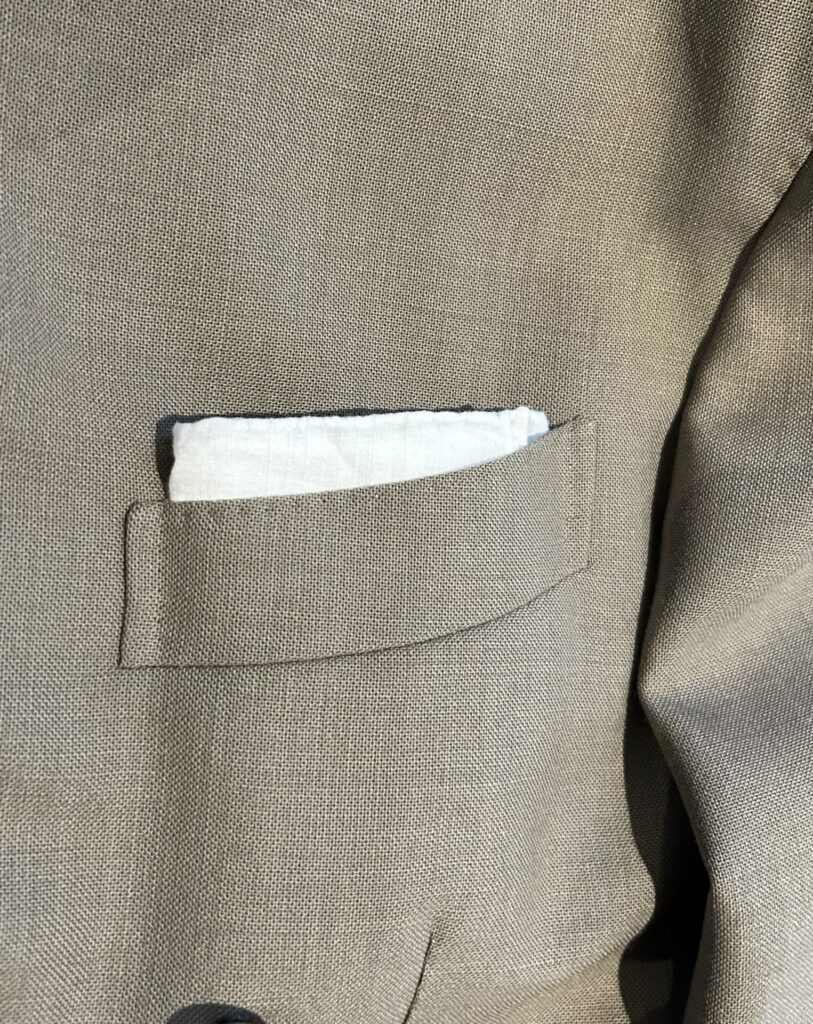
Among the classic folds—the TV Fold, Three Peaks, and Puff Fold—I think the TV Fold is the most understated and the easiest to incorporate into everyday wear.
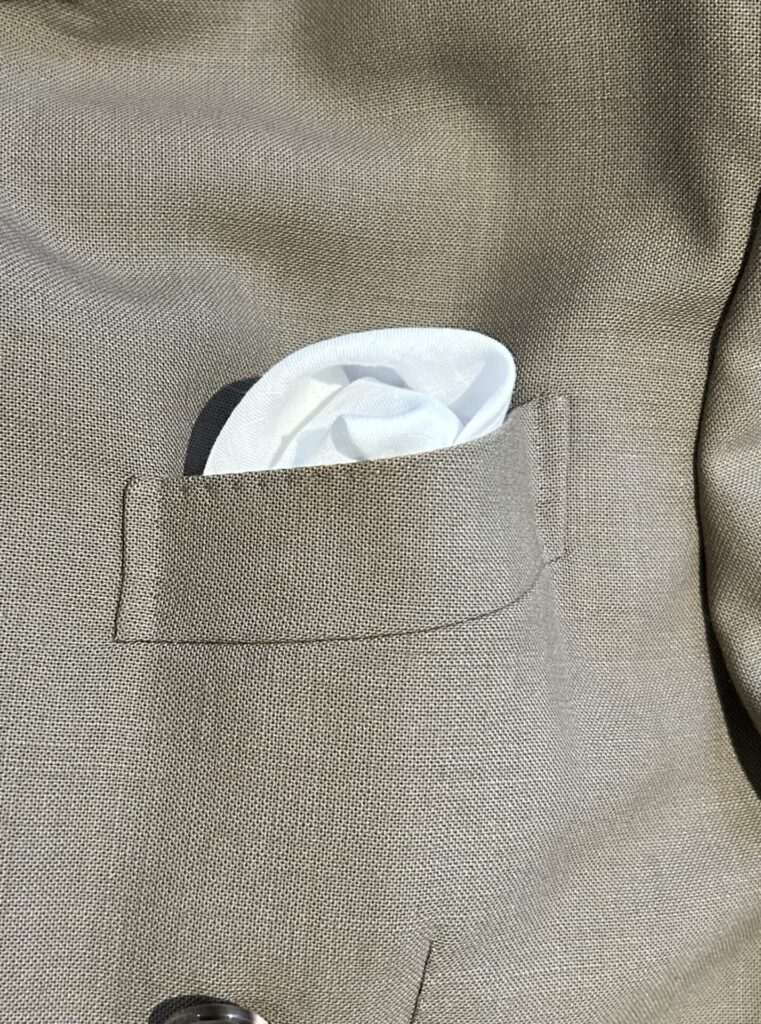
The other folds tend to make a stronger statement, and if you’re not accustomed to wearing them, they can sometimes feel a little too much like eveningwear or party attire.
At the same time, the TV Fold can feel a bit too conservative. While it’s neat and refined, it doesn’t always convey the sense that the entire outfit—including the pocket square—has been thoughtfully styled.
That got me thinking: is there a way to create something that isn’t too plain and isn’t too flashy, but lands somewhere perfectly in between?
The Offset-Corner TV Fold
I can’t really claim to have invented this idea. Rather, after seeing stylishly dressed men wear their pocket squares this way, I decided to adopt it myself.
The foundation is still the classic TV Fold, but with a subtle twist.
In a standard TV Fold, the corners are aligned perfectly as you fold the pocket square, resulting in a completely flat, straight edge when finished.
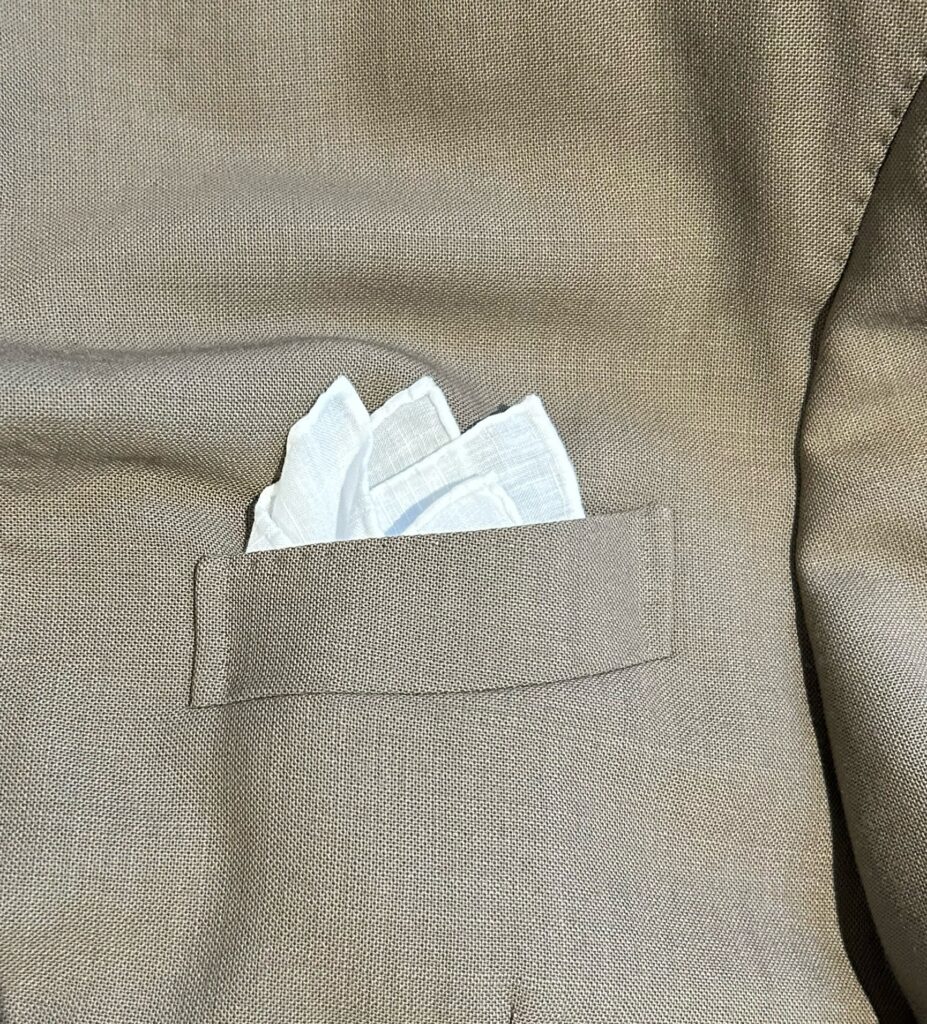
Instead, if you intentionally offset the corners while folding, the finished fold develops small stepped layers, adding depth and dimension.
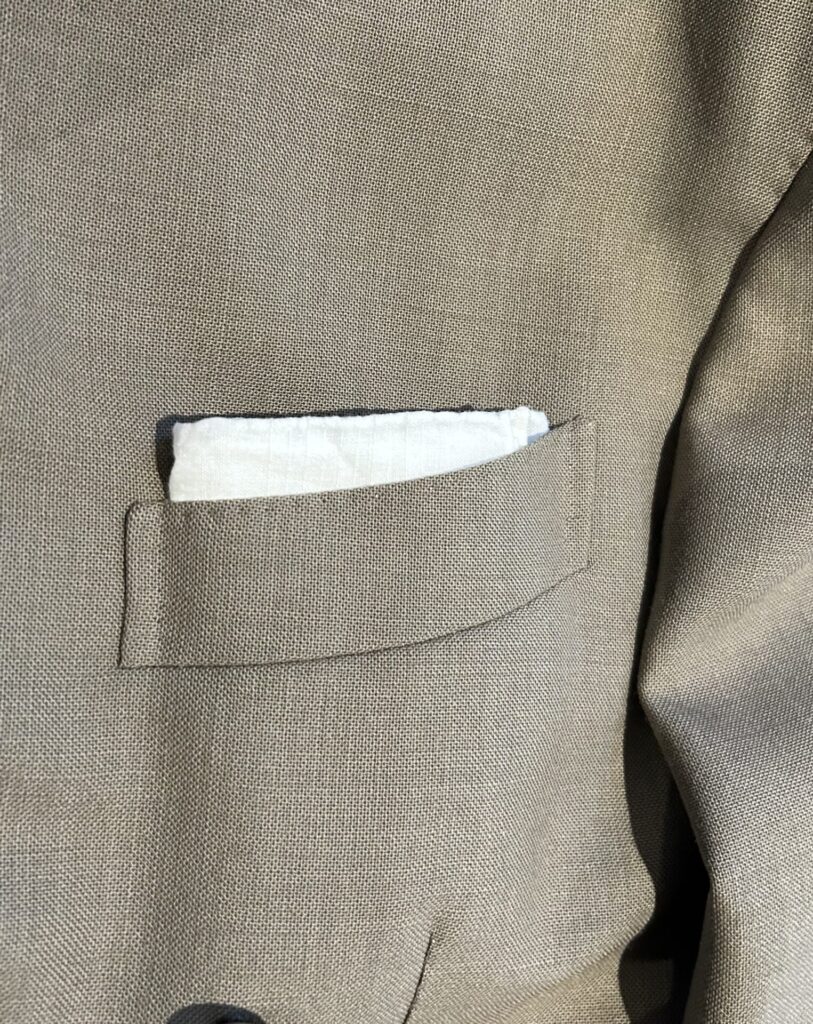
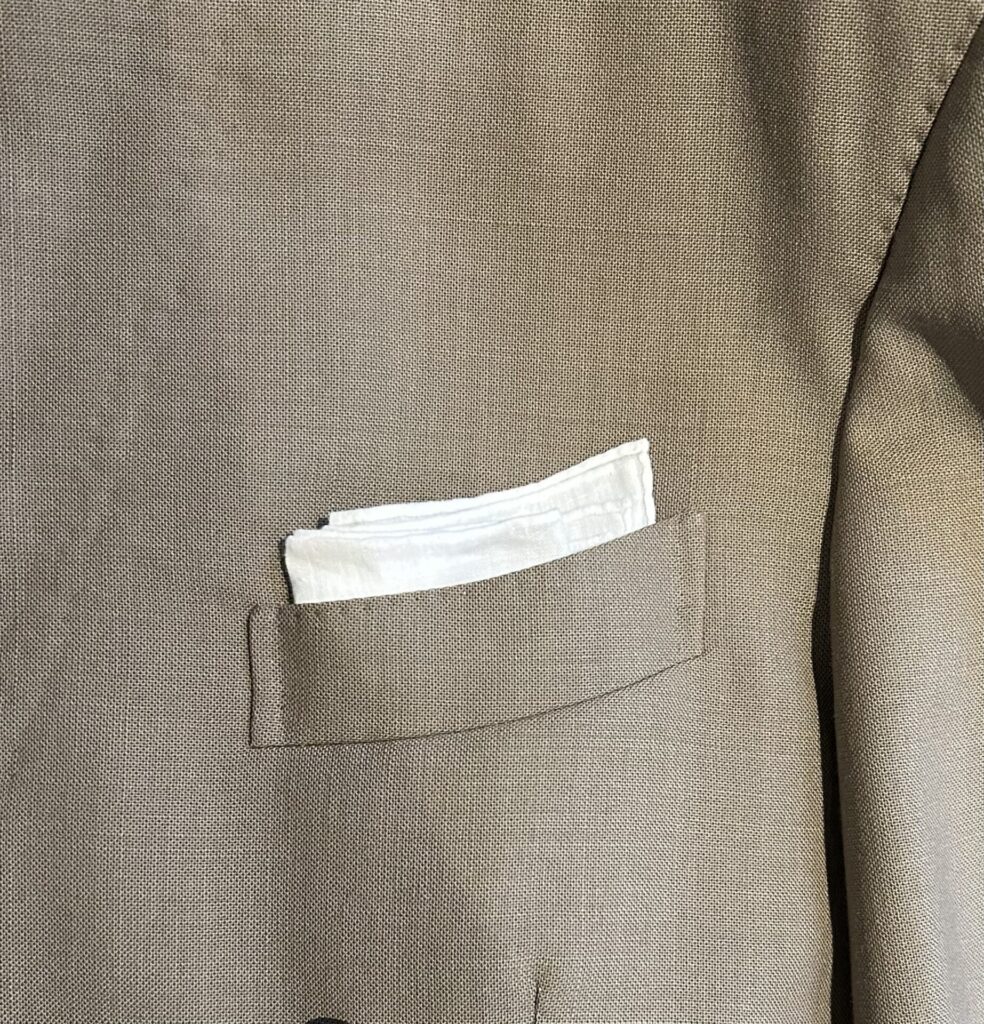
Here’s how to do it.
First, place your pocket square on a flat surface and fold it in half. At this stage, intentionally offset the corners.
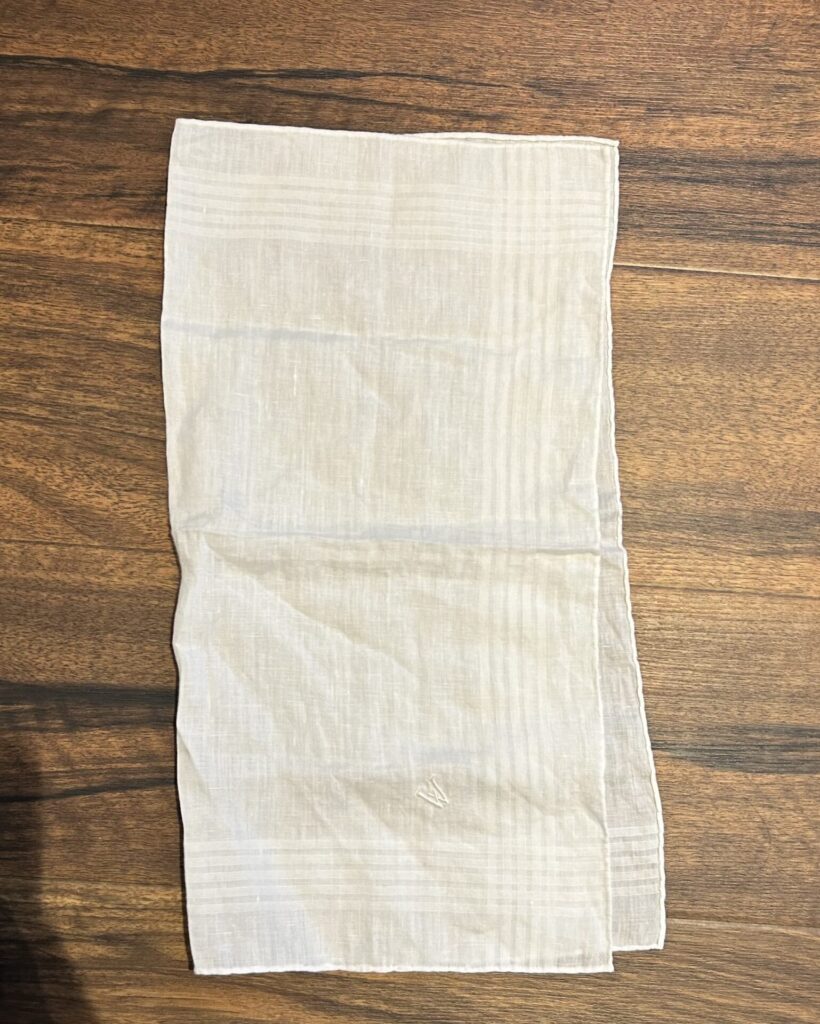
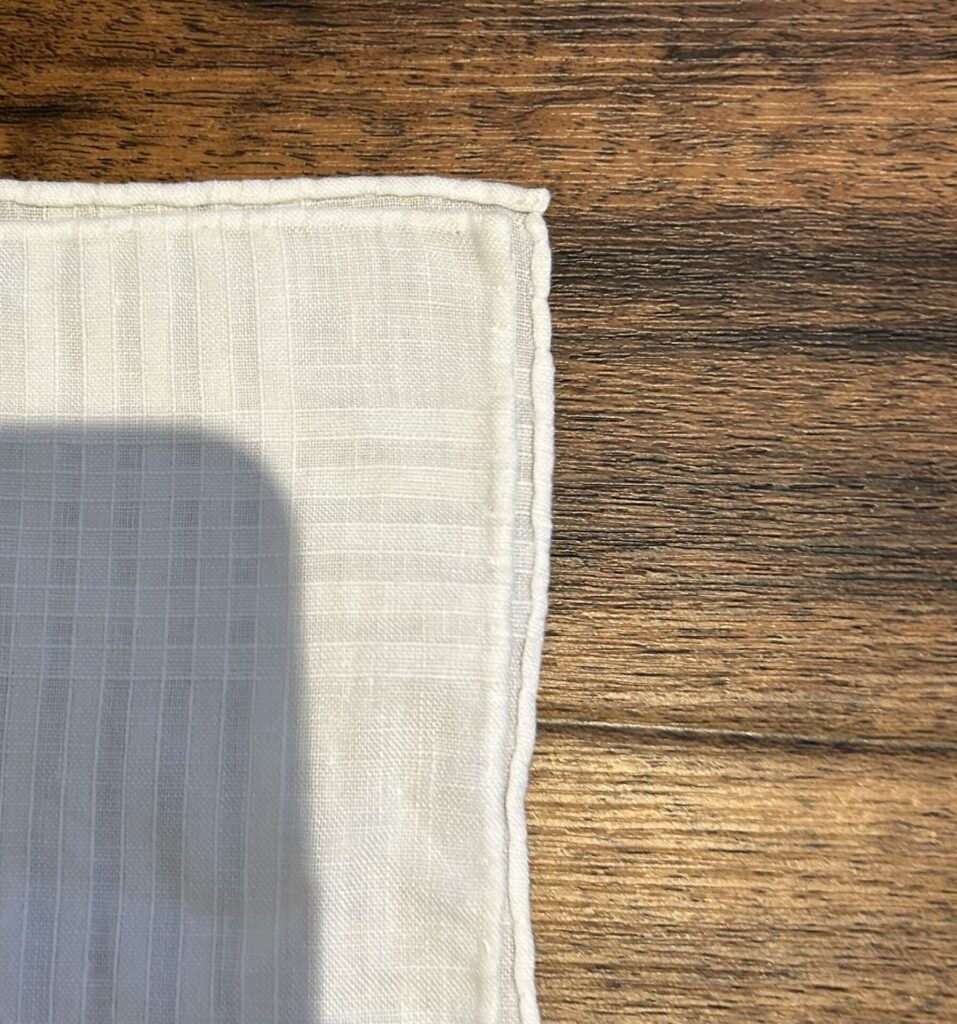
Make sure the layer closest to you sits slightly lower than the layer behind it. If you do it the other way around, the rear layer will simply be hidden, defeating the purpose of offsetting the corners.
When folding it in half again, follow the same principle so that the front layer remains slightly lower than the layer behind it.
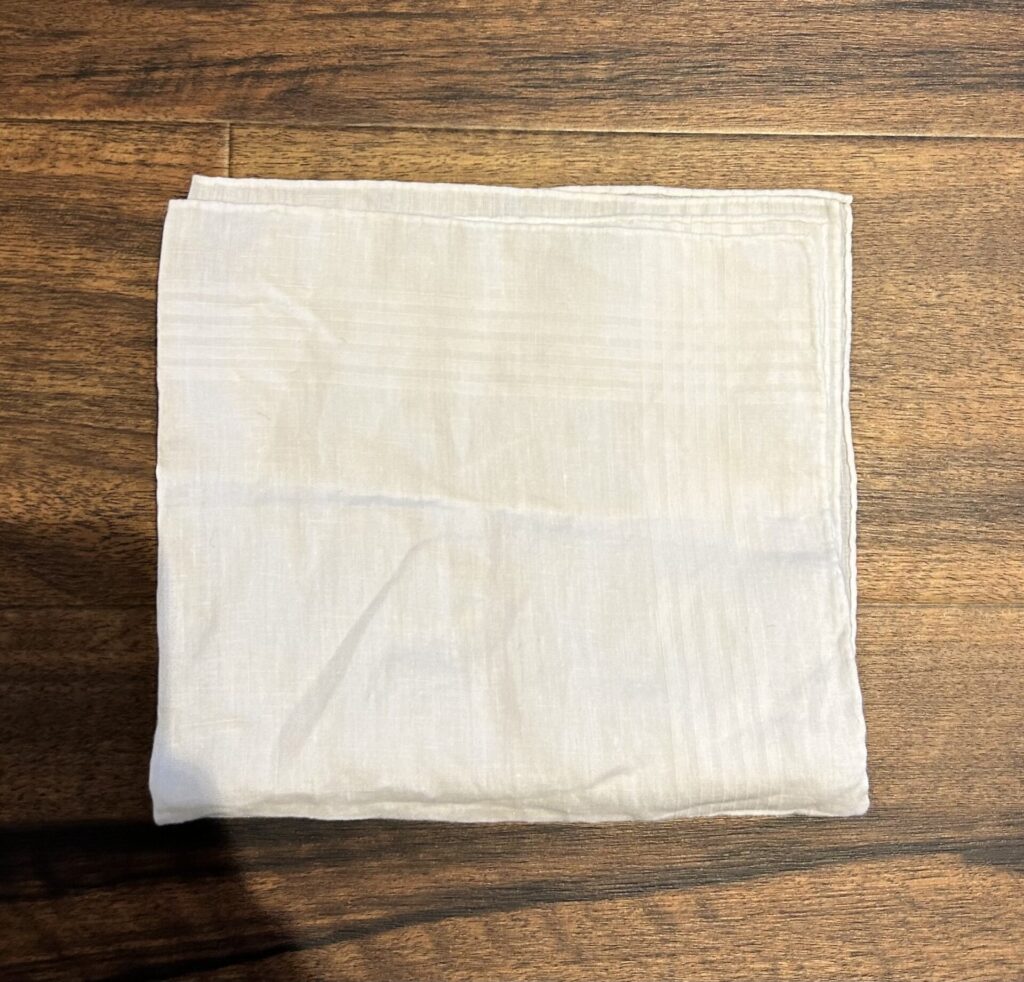
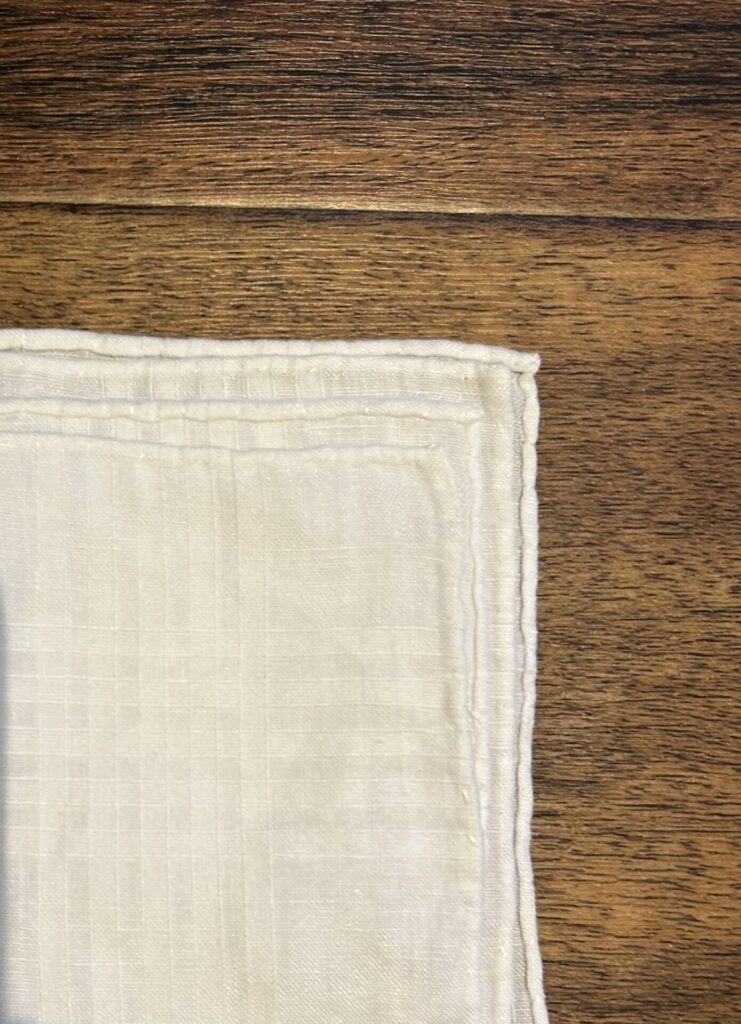
Do the same for the final fold as well.
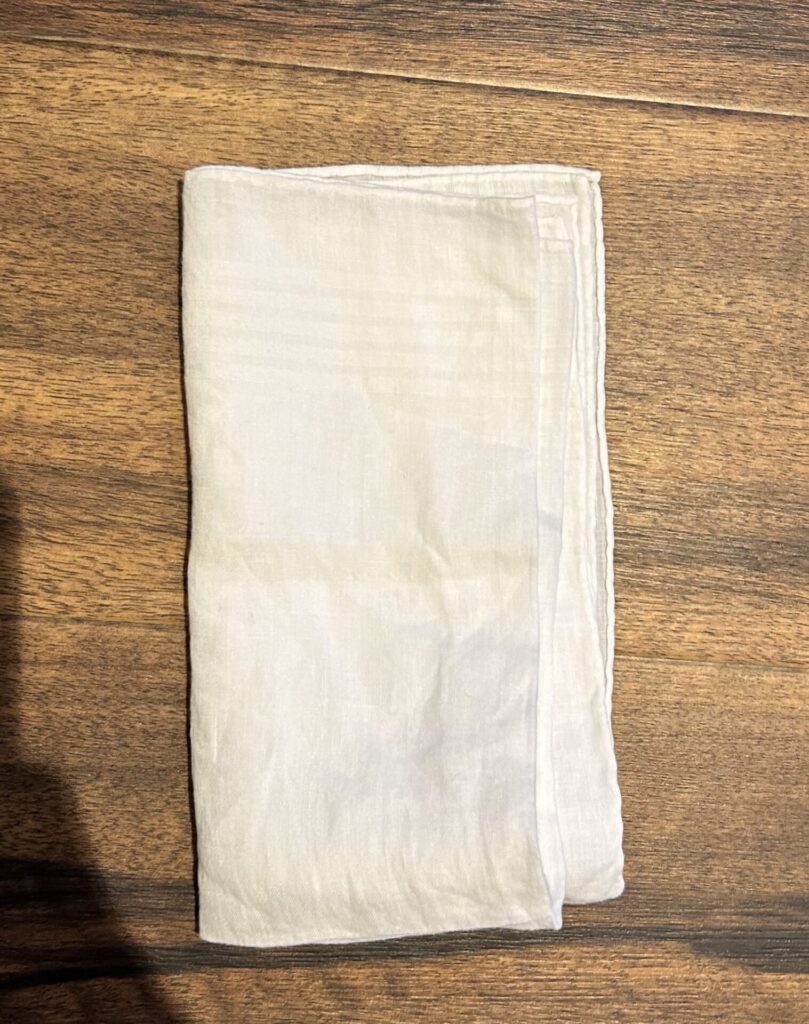
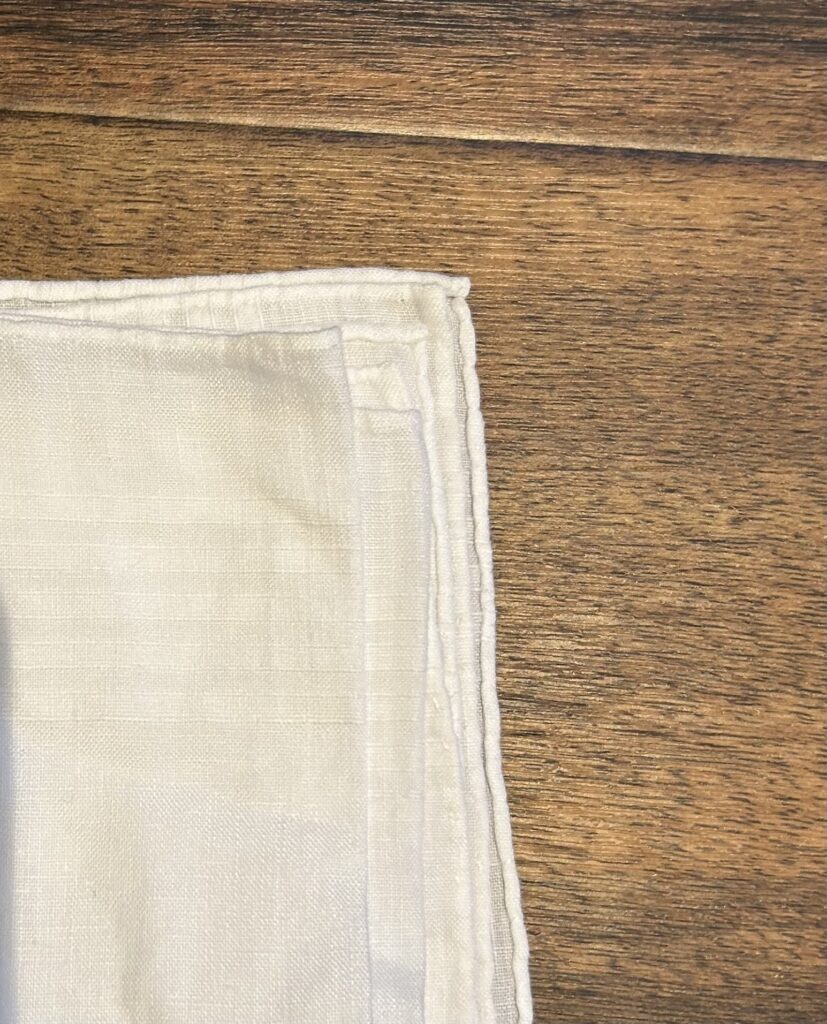
This creates several visible layers, almost like terraces stepping upward.
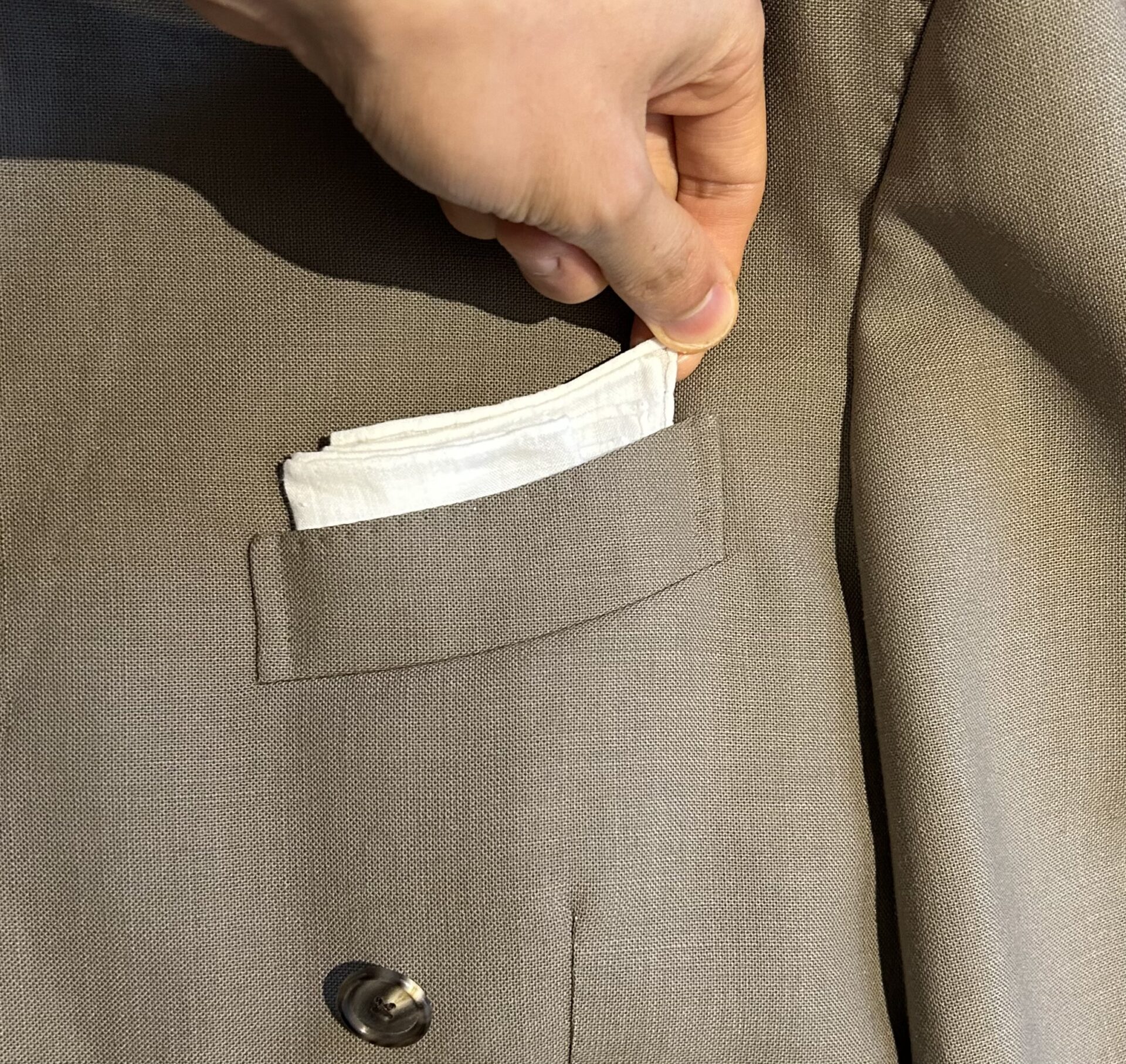
At this point, you can simply place it in your breast pocket. However, after inserting it, I like to gently pull up the right edge slightly. It adds a little extra character and makes the effect even better.
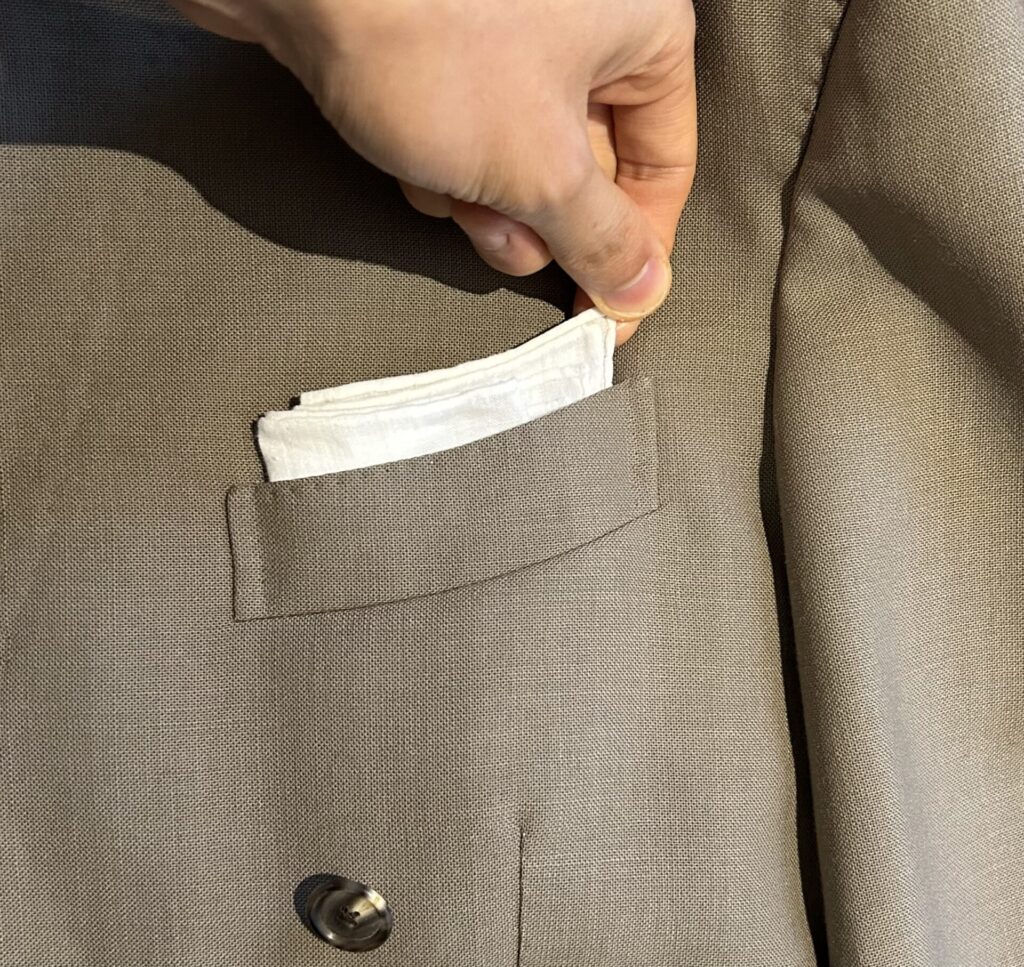
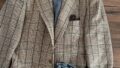
What do you think when comparing a standard TV Fold to this offset-corner variation?
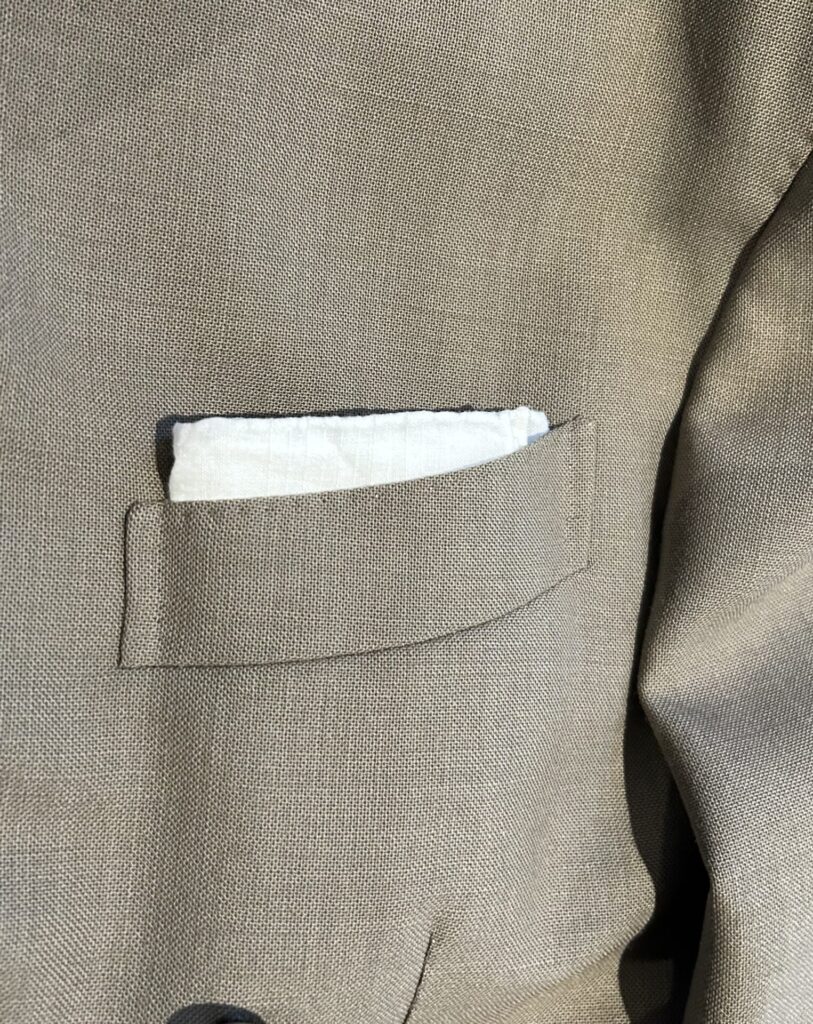
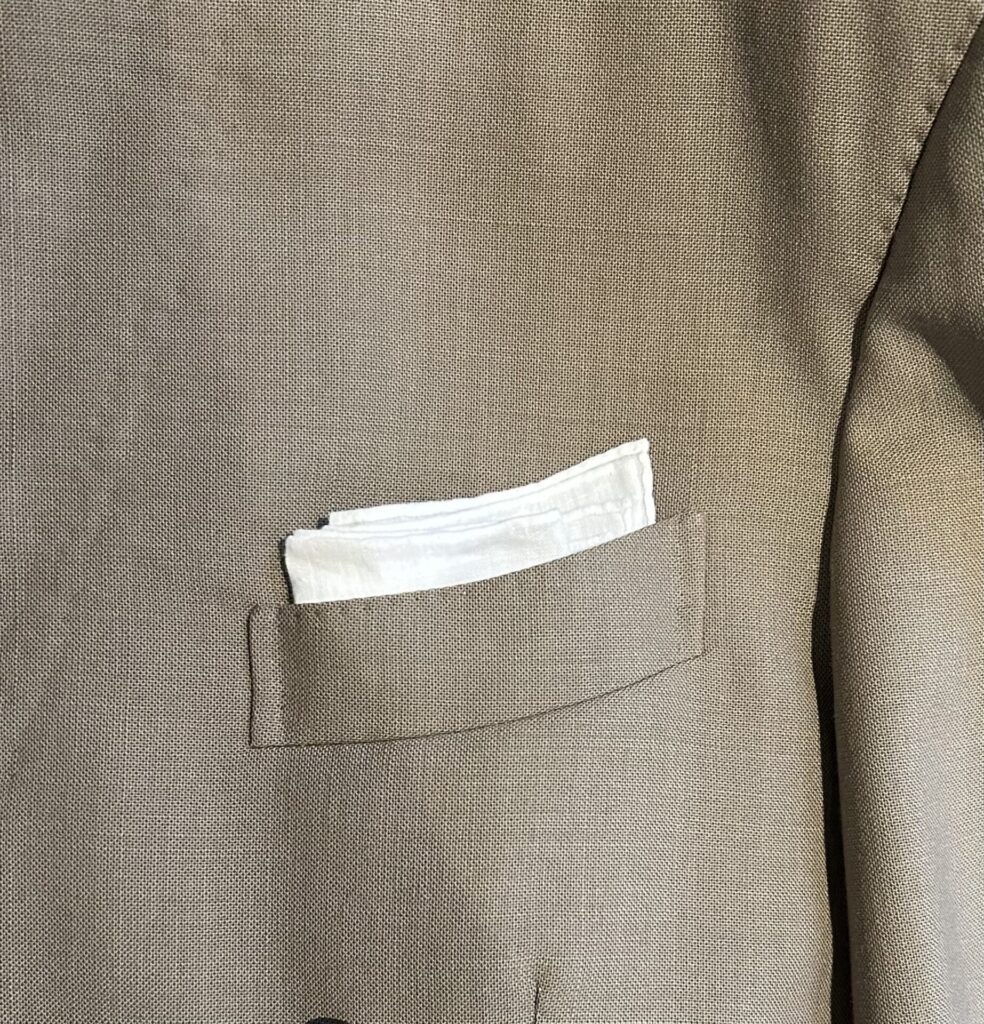
The difference in impression is surprisingly noticeable, isn’t it?
Neither is objectively better than the other—it simply comes down to personal preference. Personally, I prefer the version with the offset corners.
In everyday business settings, it never feels overly flashy, yet it still has enough character to work perfectly at social events and formal gatherings. To me, it’s a wonderfully balanced middle ground.
That’s all for today. Thank you for reading.


コメント