Hello, I’m Mr. Linen.
When wearing a tailored jacket, if your goal is a classic style, proper fit is generally considered the foundation.
When discussing the correct fit of a jacket, the shoulder width is often considered the most important reference point.
If the shoulders are either too tight or too wide, the jacket simply won’t look its best.
But what about the waist?
Should the waist of a jacket closely follow the shape of the body with a pronounced suppression?
Or is it better to leave some room?
Ultimately, the amount of waist suppression comes down to personal preference. In this article, I would like to examine whether a jacket with a relaxed waist can work, and if so, how it should be styled.
Ultimately, It Comes Down to Personal Preference
I believe that the degree of waist suppression on a tailored jacket is largely a matter of personal taste.
Different tailoring traditions certainly have their tendencies. British tailoring often favors a more shaped waist, while American tailoring tends to be more relaxed. However, from a classic menswear perspective, I do not believe there is a single correct answer.
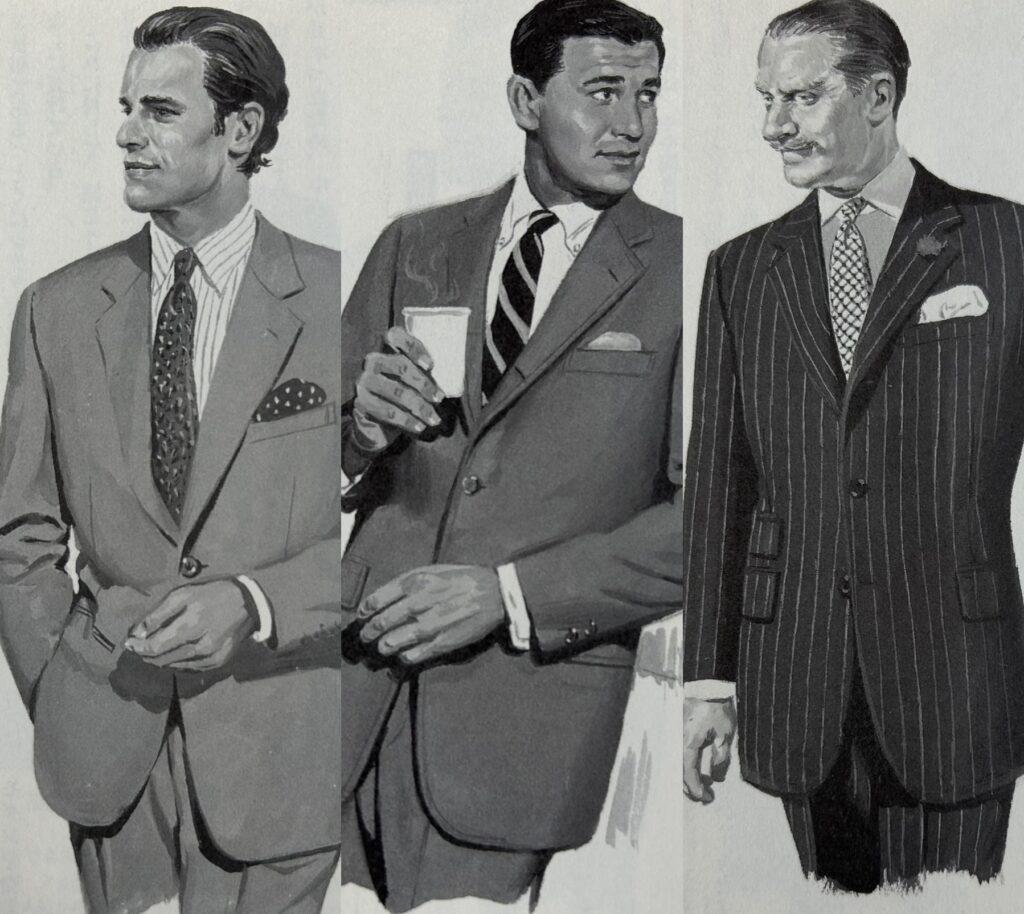
Of course, this assumes we stay within reasonable limits. Excessively tight or excessively loose waists will look awkward regardless of style preference.
For reference, I previously wrote an article examining what level of waist suppression might be considered the most classic.

Should Made-to-Measure Jackets Have More Waist Suppression?
When commissioning a suit or jacket, the waist is often shaped more aggressively than on ready-to-wear garments, especially for slimmer individuals.
After all, if you are going through the effort of having something made for you, a well-defined waist can certainly make the garment feel more bespoke.
That said, an excessively tight jacket can start to look as though the wearer is trying too hard to show off their physique, which can easily become inelegant.
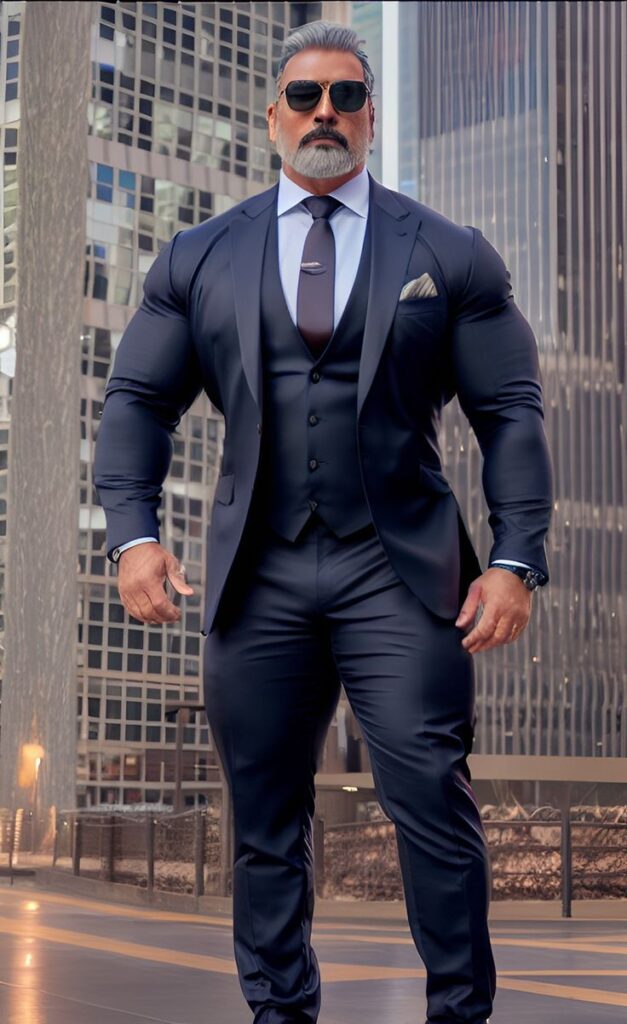
Even with custom tailoring, I believe some degree of ease is necessary.
Most of the jackets I have commissioned in the past have featured relatively strong waist suppression.
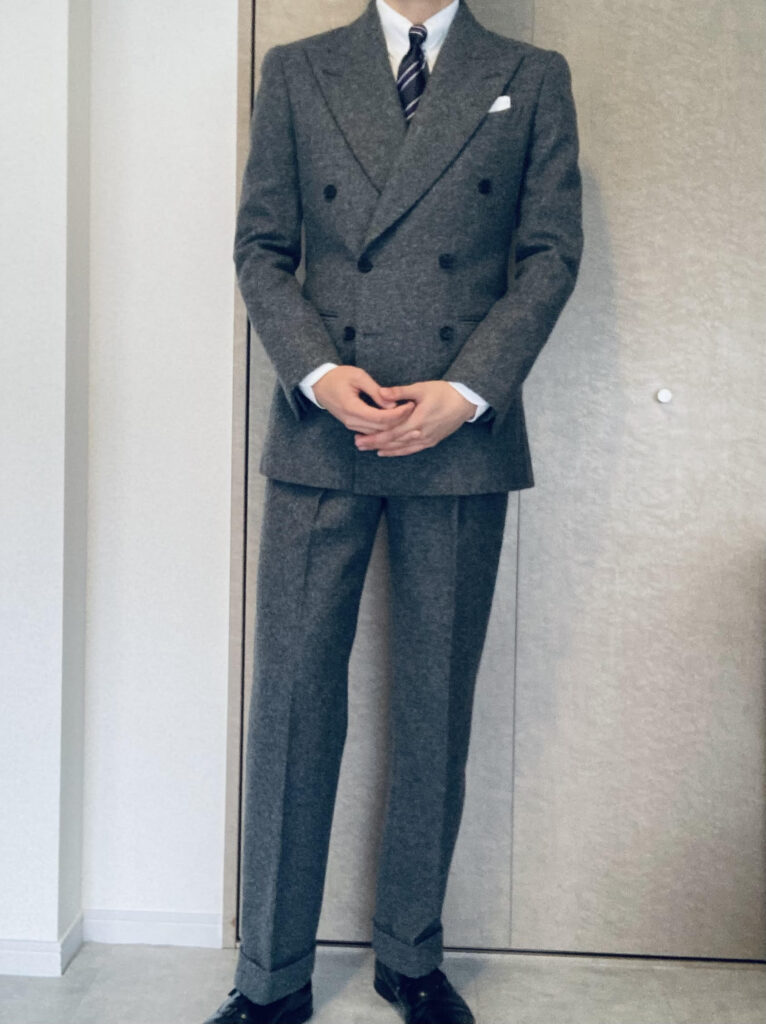
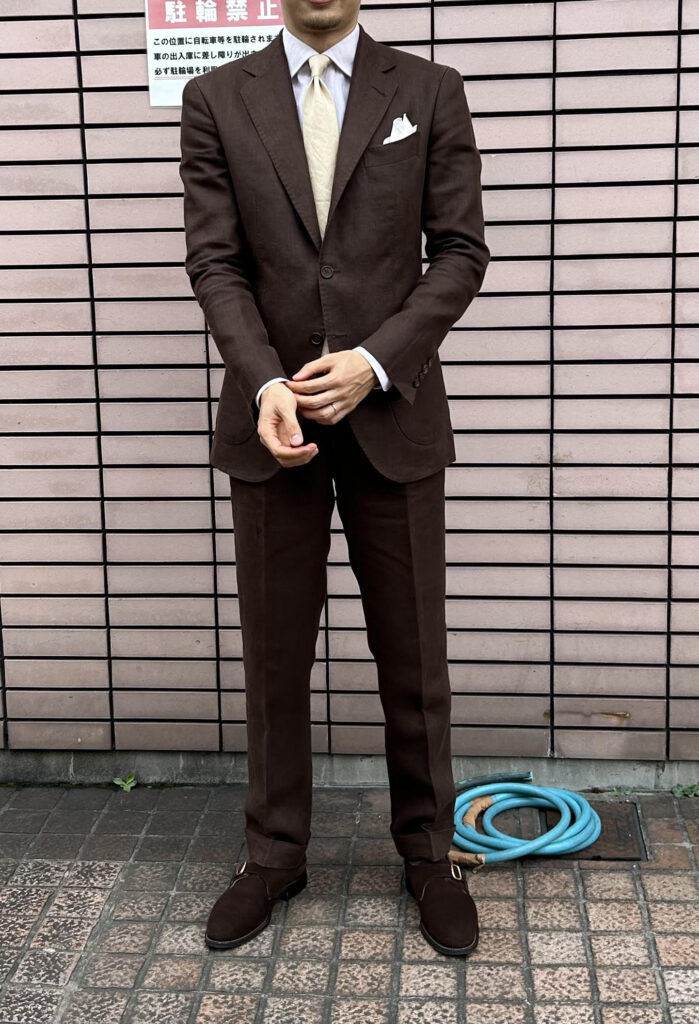
I intentionally left a little room to avoid an overly tight look, but looking back, I sometimes feel I could have gone slightly looser.
I Bought a Jacket with a Relaxed Waist
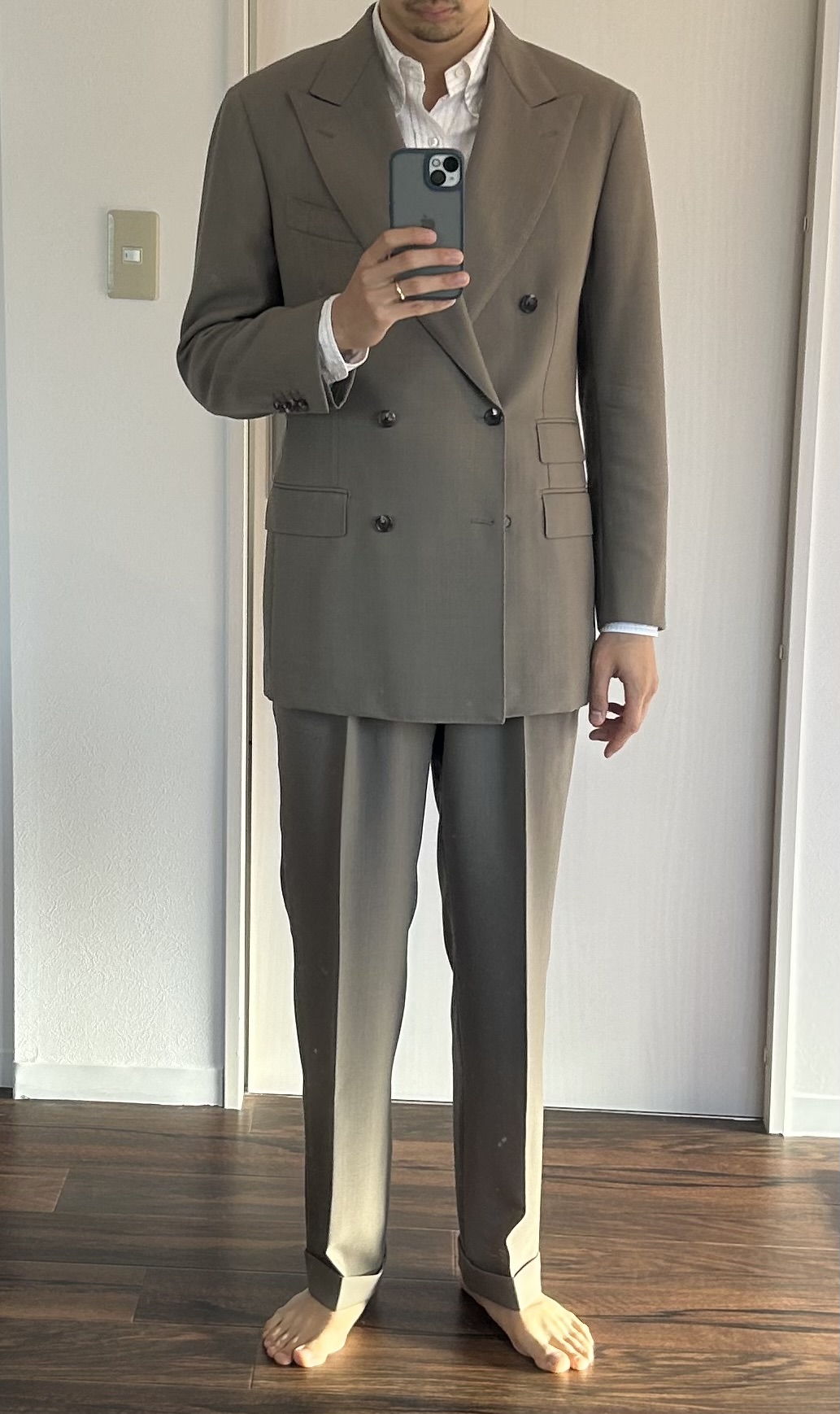
Recently, I purchased a new ready-to-wear suit.
It is a BEAMS original suit that I found on the second-hand market in a size very close to my own.
The cloth is a 310g (11 oz) Fresco fabric from the British mill Martin Sons.
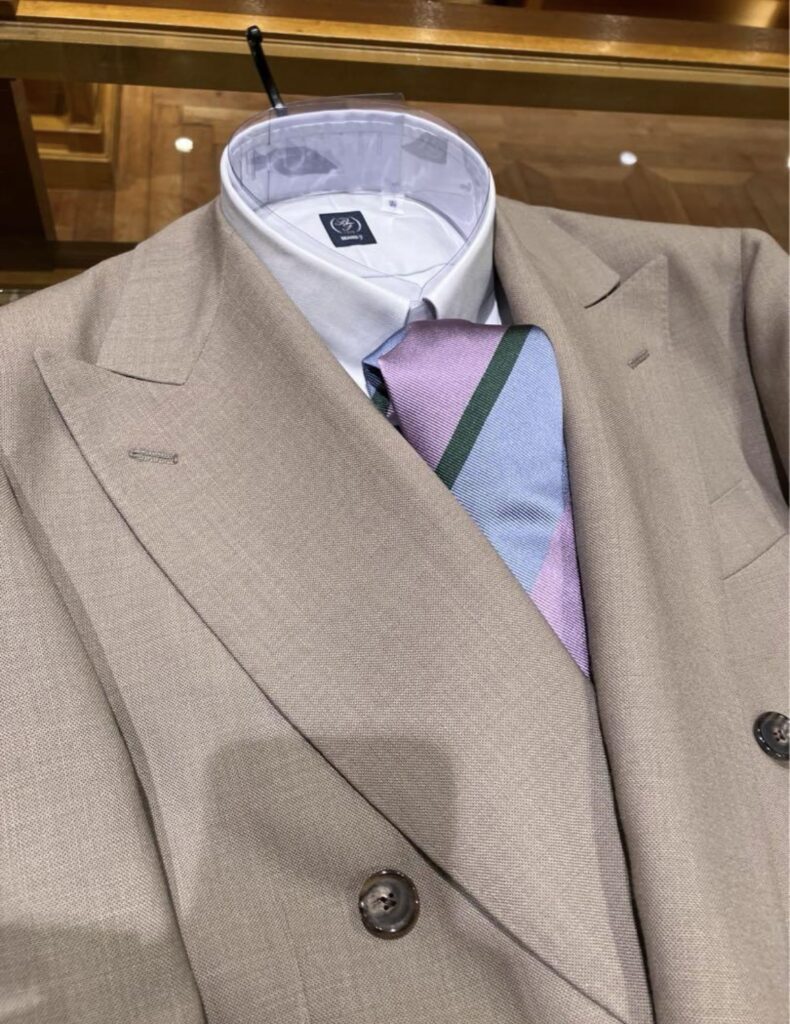

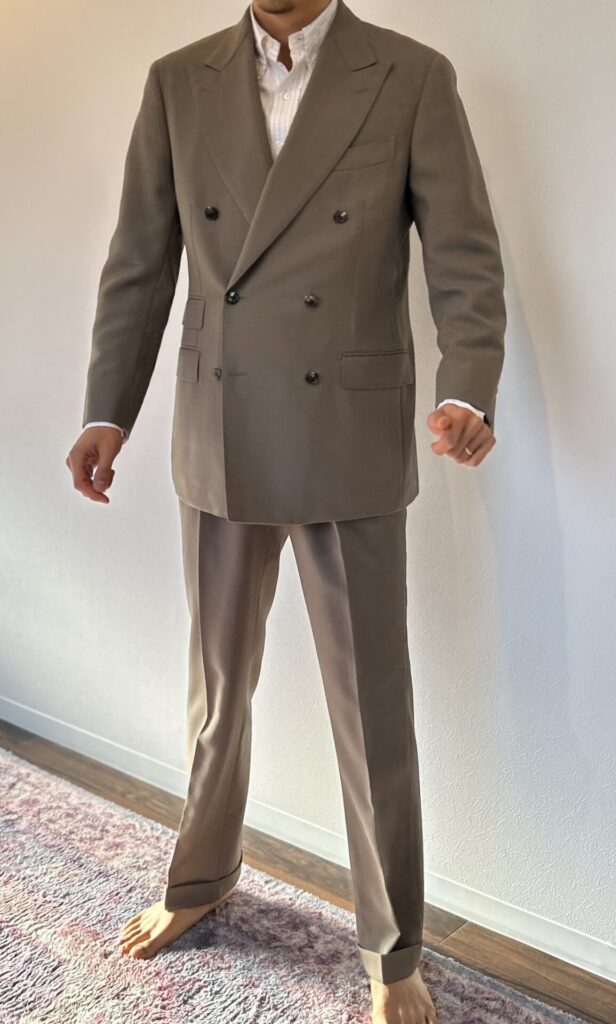
As you can see, the waist suppression is fairly mild. It is not quite a boxy silhouette, but it is noticeably looser than what I am accustomed to wearing.
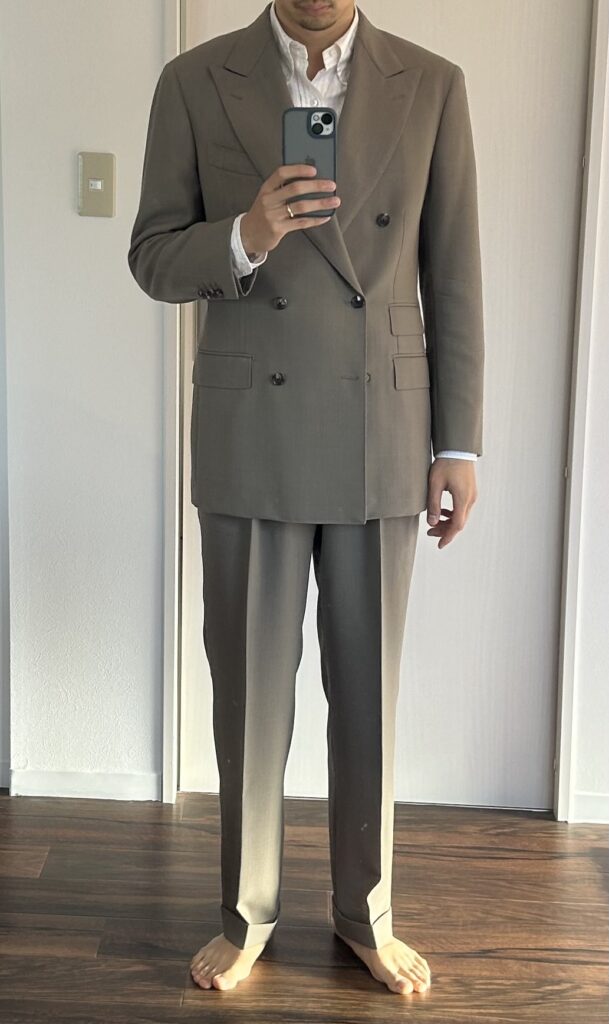
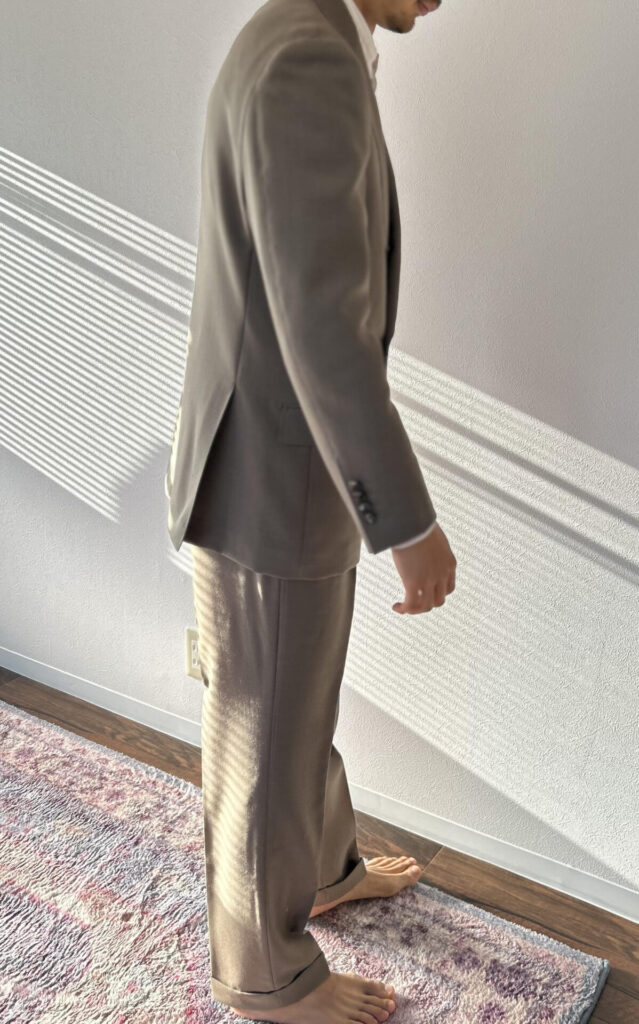
Viewed from the side, you can clearly see that there is very little waist indentation, with the silhouette falling almost straight down.
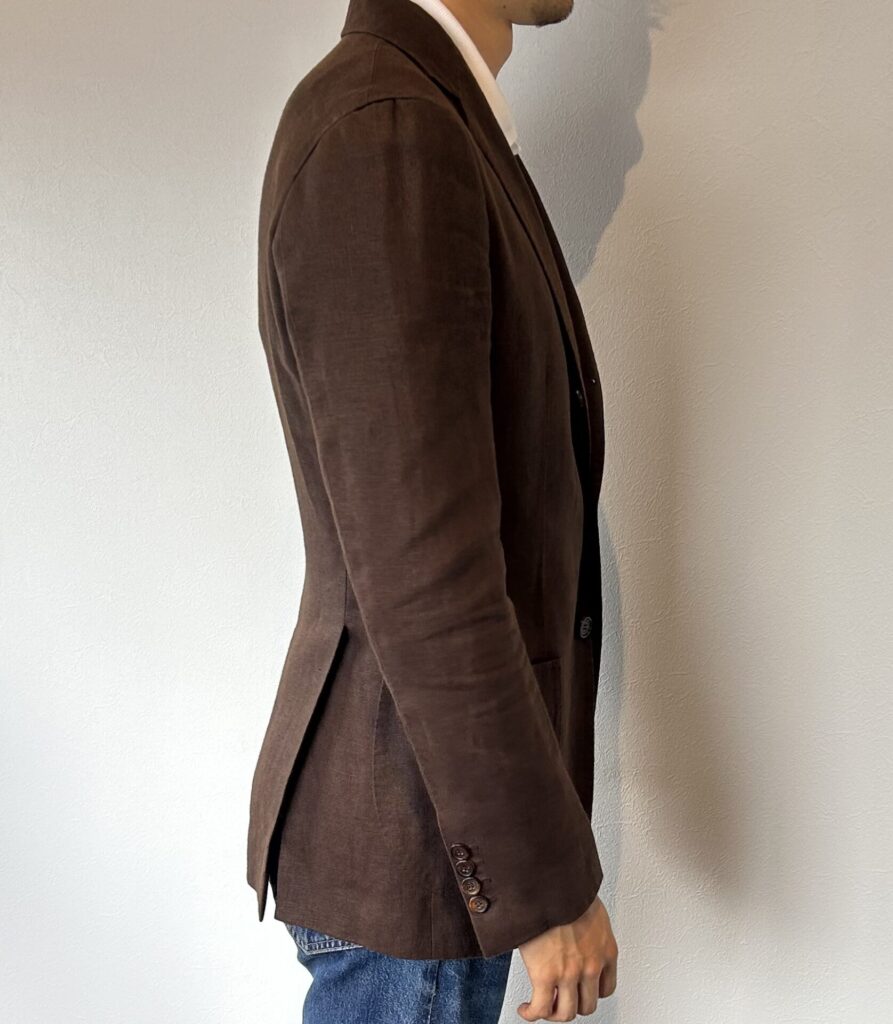
On a jacket with stronger waist suppression, the side profile tends to form a more pronounced S-curve, creating a noticeably different appearance.
I considered having the waist taken in by a tailor, but after some thought, I decided to leave it as it was.
The reason is that this jacket has what I would describe as an overall lower visual balance point, and I felt the relaxed waist worked harmoniously with that proportion.
The gorge line is not particularly low, but the button stance is positioned lower than average, and the jacket length is noticeably generous.
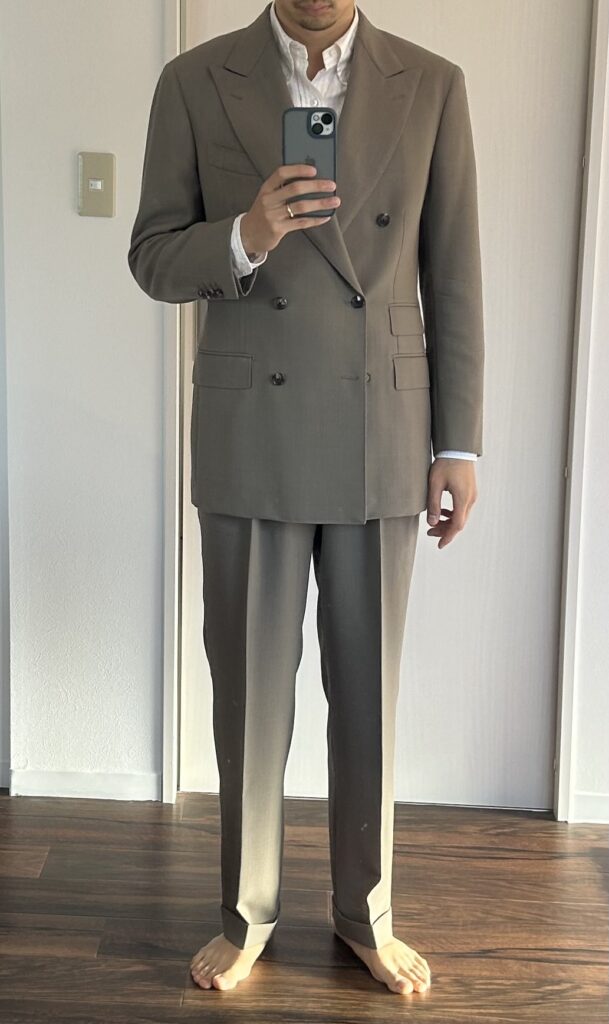
I felt that if I aggressively suppressed the waist on a jacket whose visual balance already sat lower on the body, the overall proportions would become less harmonious.
Successful Examples of Relaxed-Waist Jackets
When I think of people who wear relaxed-waist jackets particularly well, two names immediately come to mind: Yasuto Kamoshita and Ayuha Ginga of BEAMS.
Below are a few examples of their style.
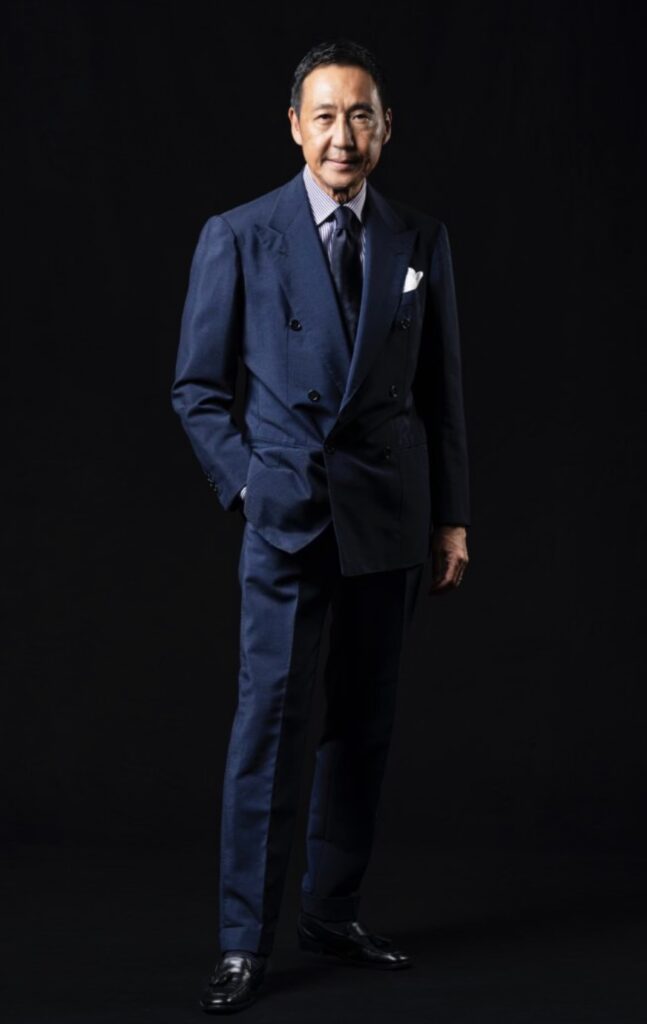
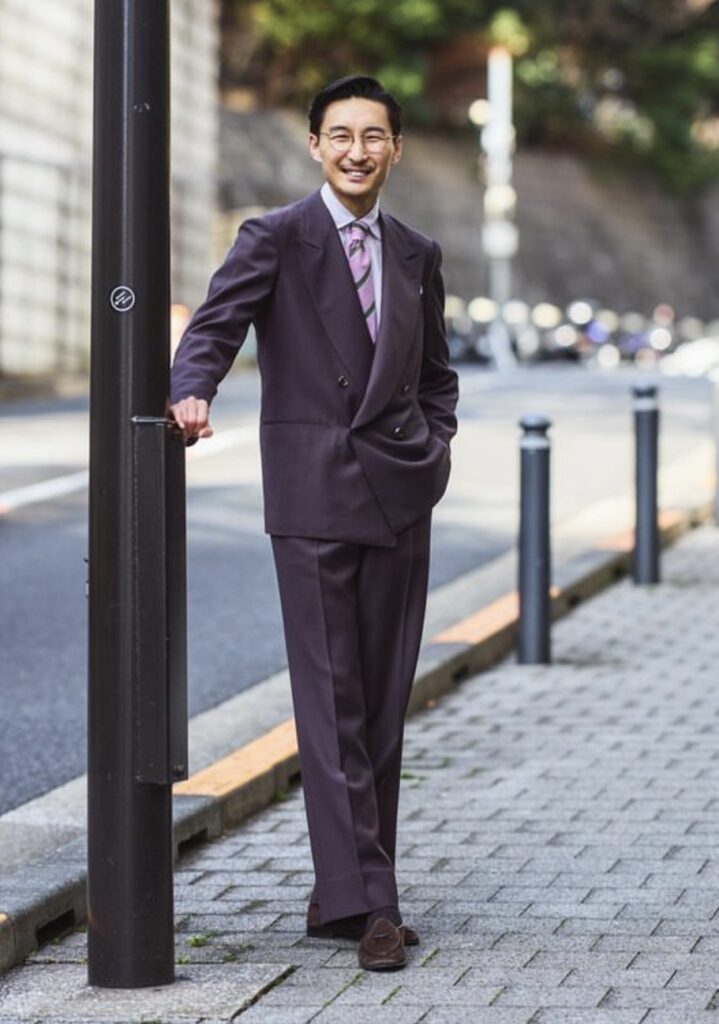
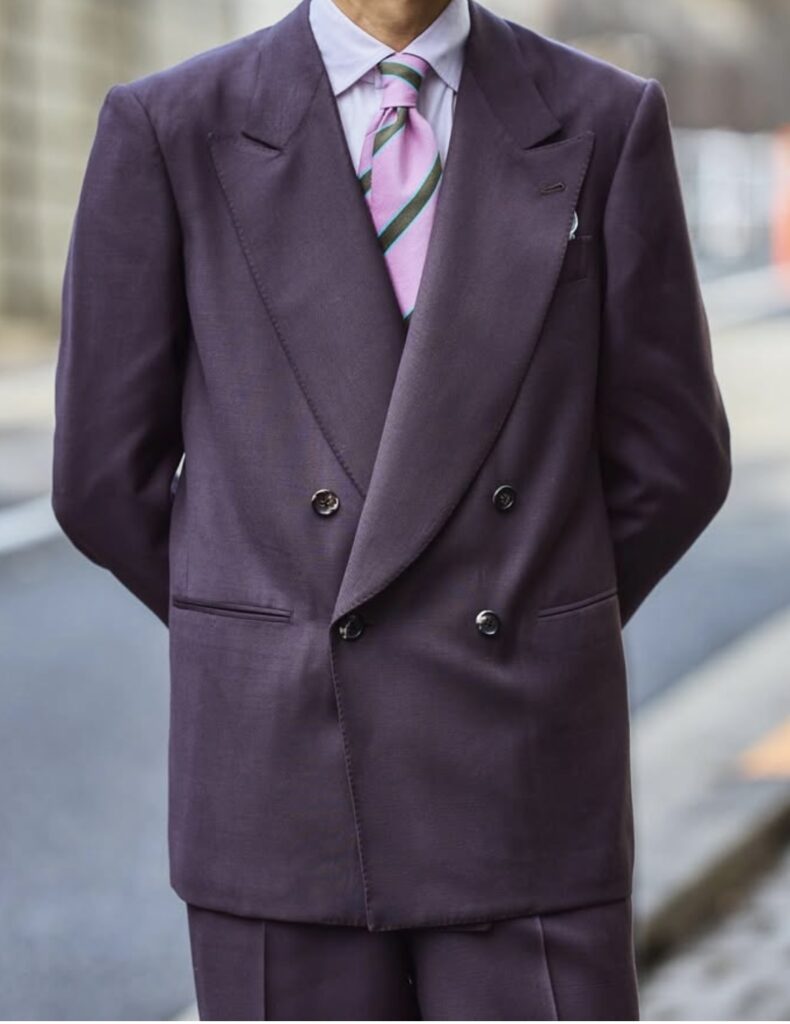
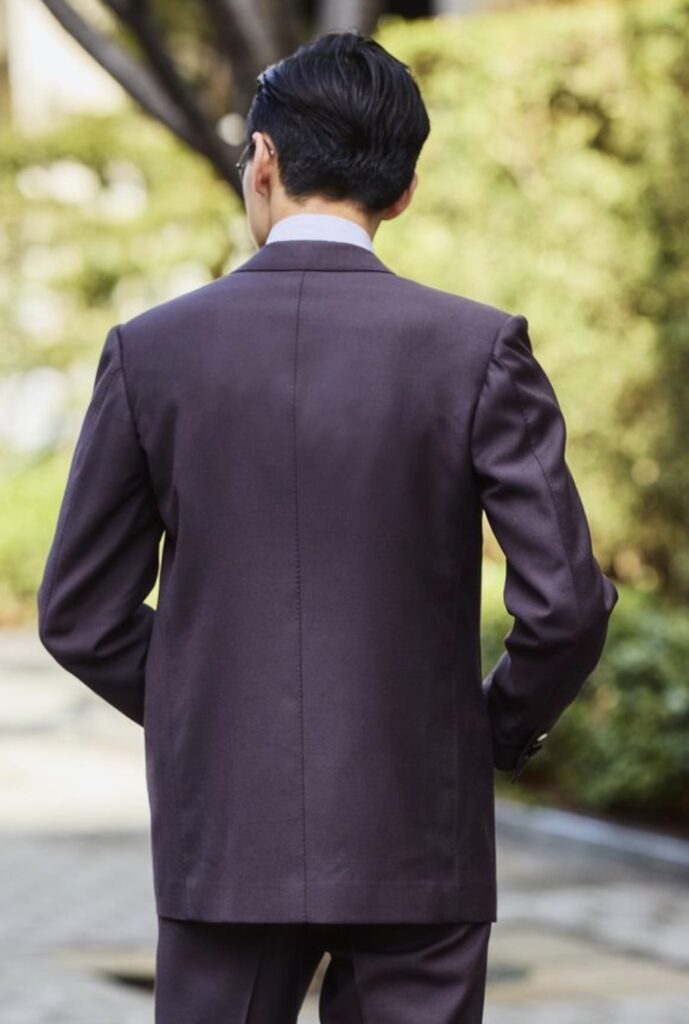
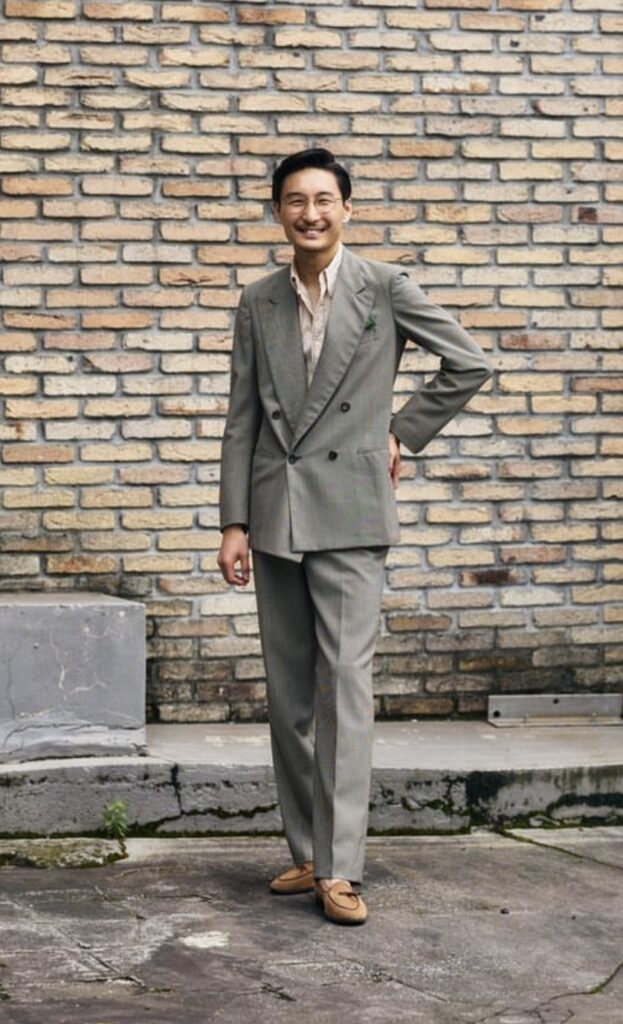
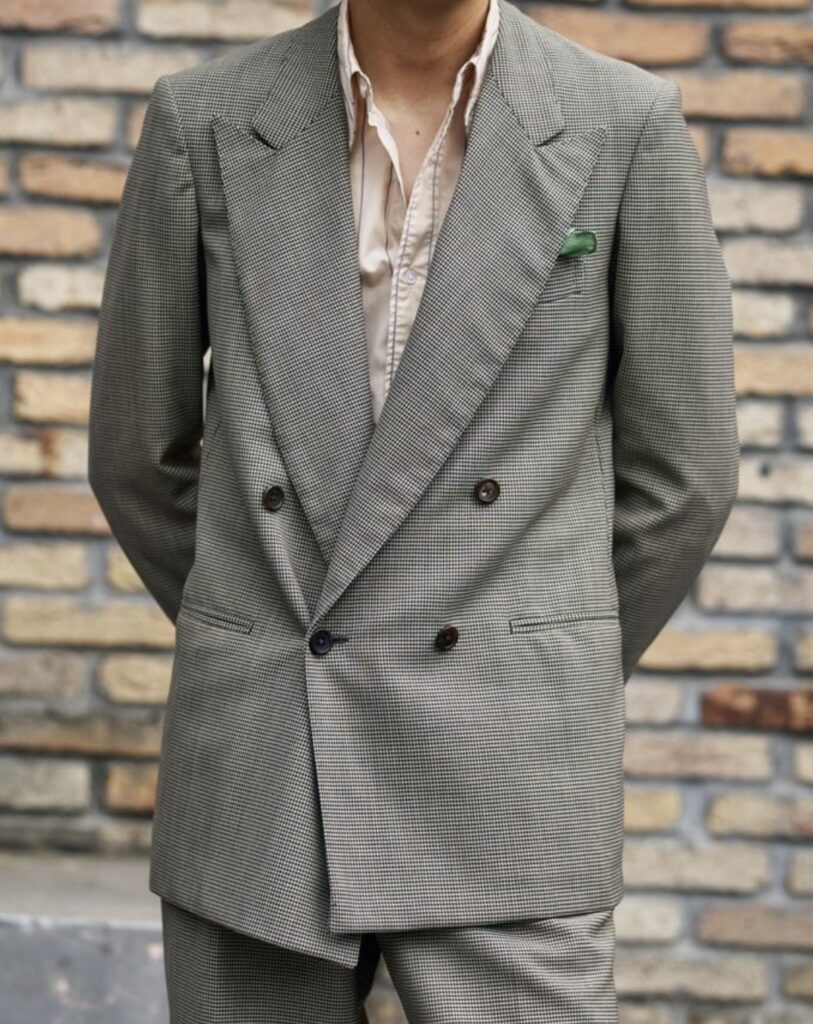
Mr. Ginga’s jackets are particularly relaxed. Naturally, this is an intentional choice rather than a fit issue.
Even when viewed from the back, there is virtually no waist suppression at all.
It is not a style commonly seen today, but I find it extremely appealing because it clearly reflects a strong personal point of view.
In both cases, the visual balance of the jacket appears relatively low.
Conditions for a Relaxed-Waist Jacket
So what conditions allow a relaxed-waist jacket to work?
One factor, as we’ve already discussed, is a lower visual balance point.
More specifically, a jacket with a generous length, a lower button stance, and pockets positioned slightly lower on the body.
There was another important point I noticed as well.
Personally, I think this approach works best with double-breasted jackets.
I find it much harder to achieve the right balance with a relaxed-waist single-breasted jacket.
Perhaps this is because the V-shaped opening and skirt flare of a single-breasted jacket are more pronounced than on a double-breasted model, making the separation between the jacket and the body more noticeable when the waist is cut loosely. If anyone has a better explanation, I’d love to hear it.
Looking at photos of Mr. Ginga in single-breasted jackets, they still appear relatively relaxed, but to my eye they seem slightly more shaped than his double-breasted jackets.
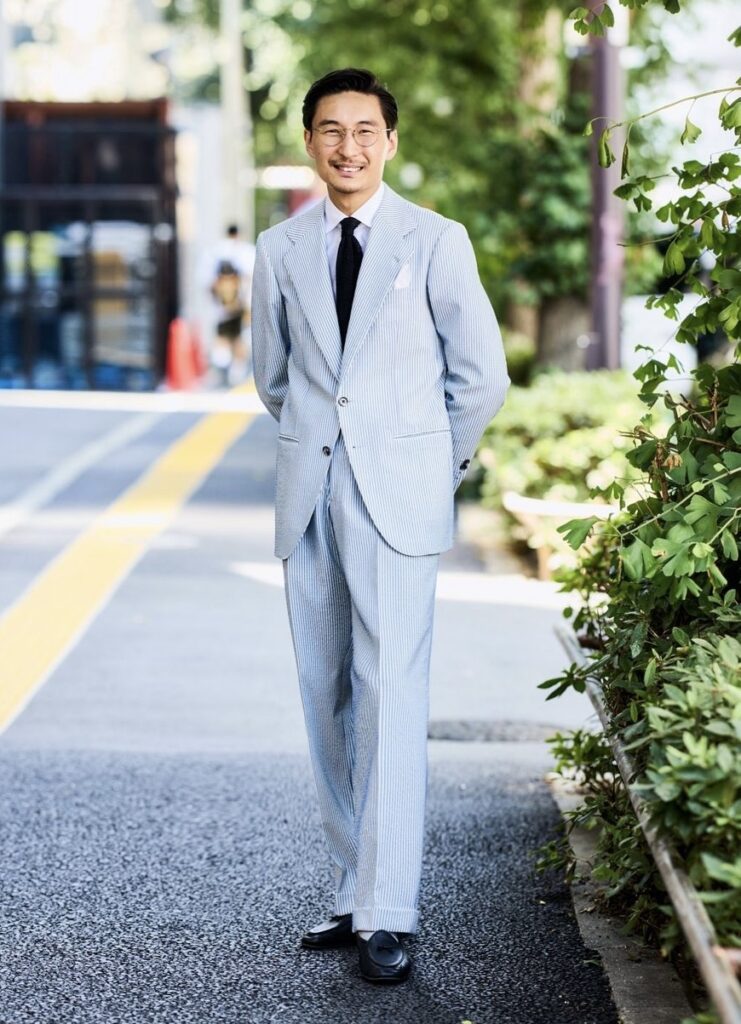
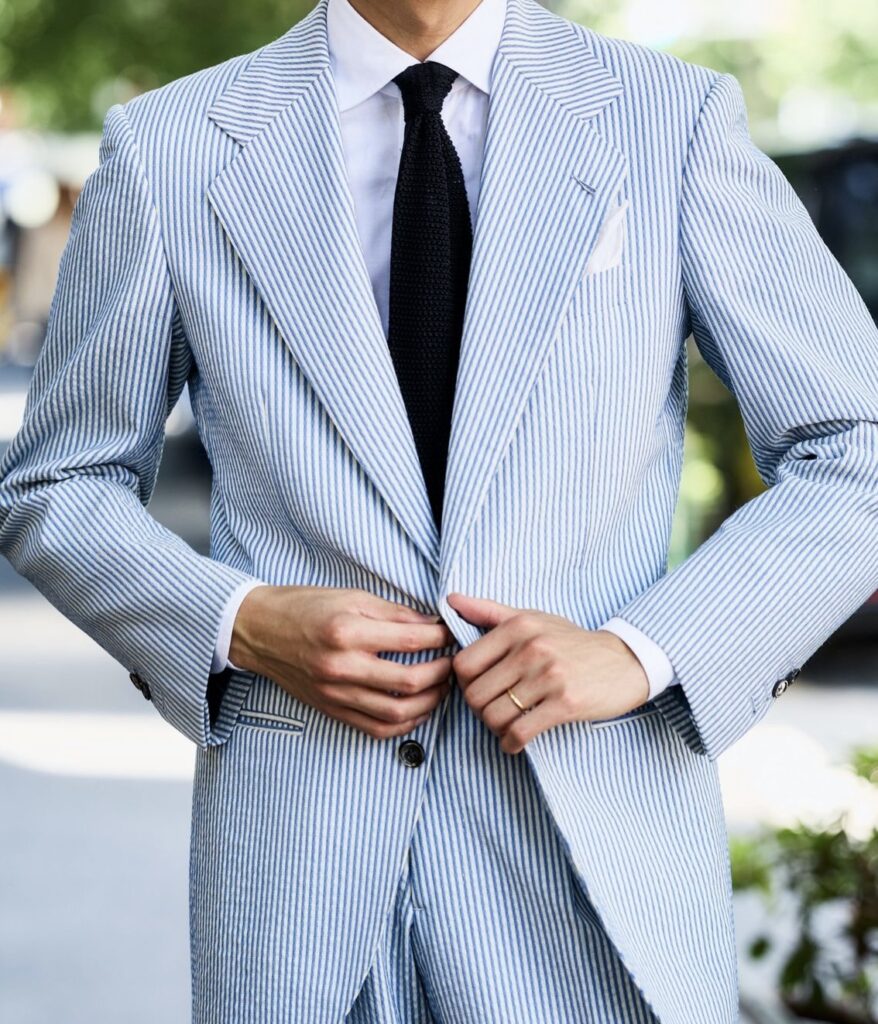
Another condition, in my opinion, is fuller and longer trousers.
Wider, longer trousers create a sense of stability and pair naturally with a jacket that has a lower visual balance.
Imagine pairing a relaxed-waist, low-balance jacket with slim, short trousers.
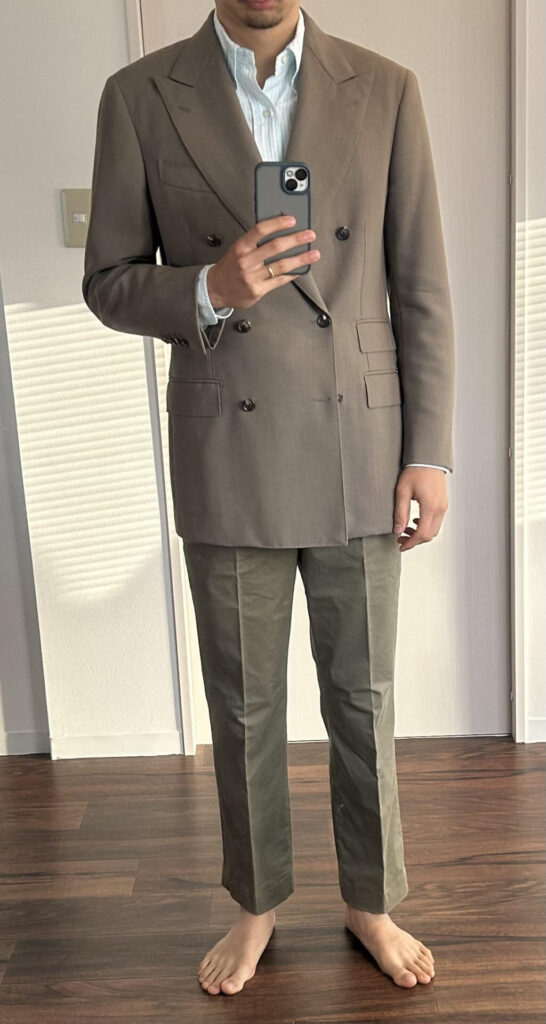
Doesn’t the overall balance immediately feel off?
When I purchased this suit, the trousers were both slimmer and shorter than I wanted. I took them to my alteration tailor and asked for as much width and length as possible to be let out.
I was able to gain approximately 2 cm (0.8 in) in both width and length. The hem width increased from 19.5 cm (7.7 in) to 21 cm (8.3 in).
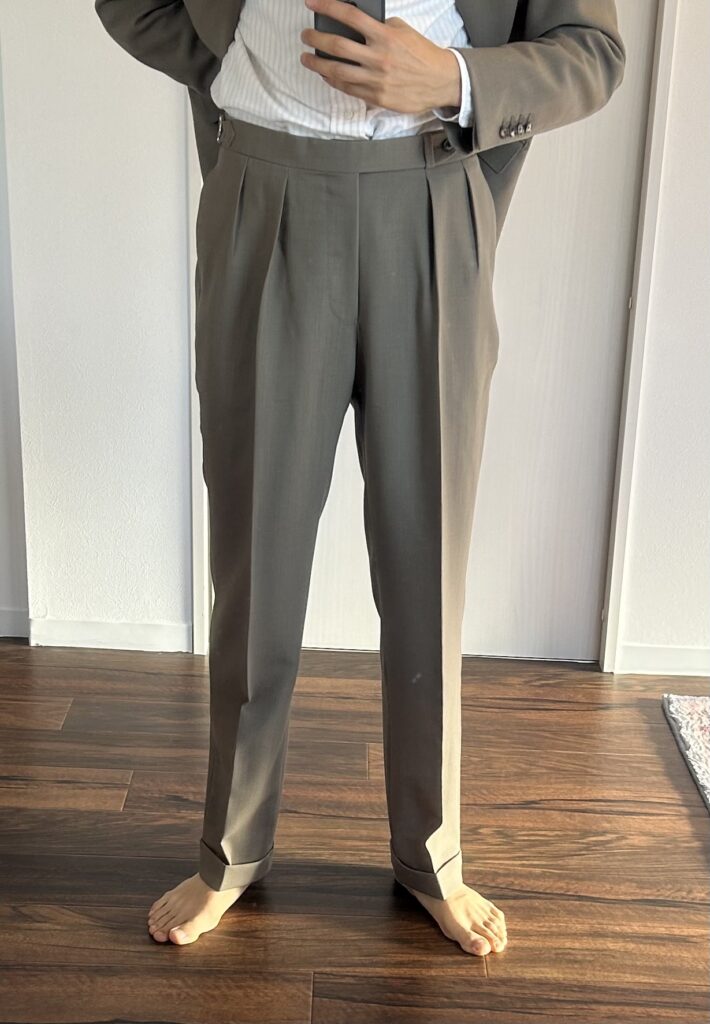
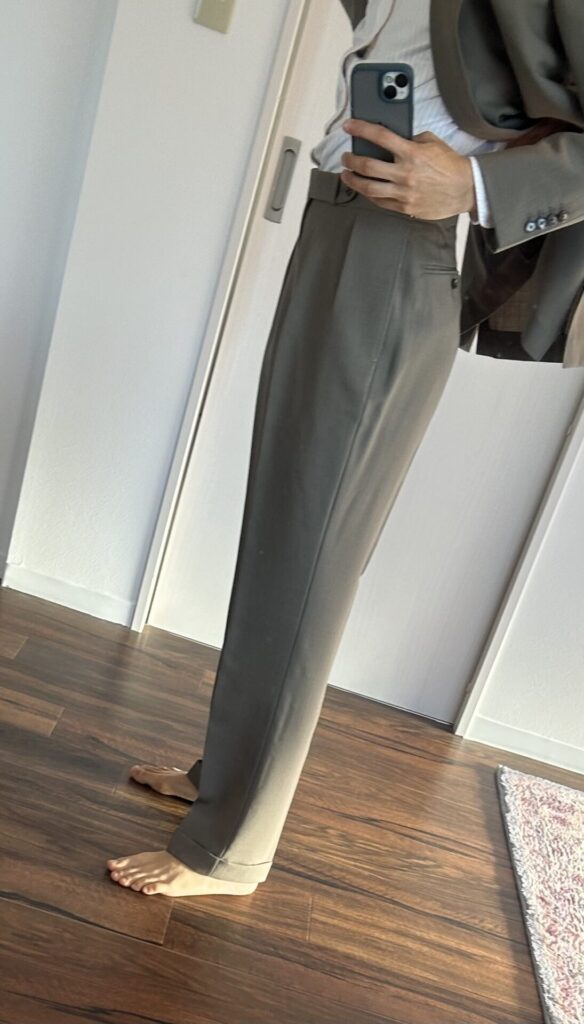
When worn as a complete suit, the proportions feel perfectly acceptable to me.
The length is about where I want it to be. Ideally, I would have preferred the trouser hem to be even wider—around 22 cm (8.7 in)—but there simply wasn’t enough inlay cloth left to make that possible.
Conclusion
Should a jacket waist be suppressed?
What type of style works best with a relaxed-waist jacket?
And what conditions need to be met to wear one successfully?
Those were the questions I set out to explore in this article.
A relaxed-waist jacket is certainly not for everyone, but after purchasing one myself, I have come to appreciate its appeal.
I plan to wear it for a while and see whether it truly feels like a natural extension of my personal style.
There is something admirable about having a clear and consistent approach, as Mr. Ginga does—for example, always preferring a relaxed waist when wearing double-breasted jackets.
By contrast, I wear both strongly suppressed jackets and relaxed-waist jackets. That lack of consistency can make it feel as though my style is still evolving rather than fully formed.
Over time, I hope to refine my tastes, develop a clearer personal style, and eventually reach the point where I only buy garments that truly align with it.



コメント