Hello, I’m Mr. Linen.
Cordovan is often referred to as the “diamond of leather.”
When you see its beautiful glow, it’s easy to understand why it has earned such a nickname.
Denim paired with cordovan shoes is a timeless combination, creating footwear that feels both rugged and refined.
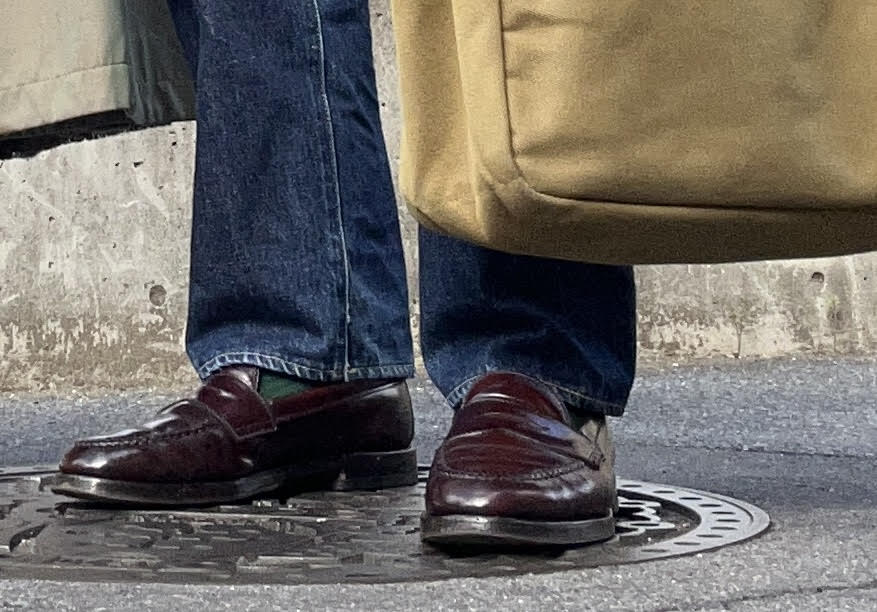
As a general rule, the shinier a leather shoe is, the dressier it appears. But what about cordovan? Do you think the distinctive shine of cordovan works with a suit?
Can cordovan shoes be worn with a suit? And if so, under what conditions?
My personal opinions will inevitably be part of this discussion, but I would like to examine the question as objectively as possible through the lens of classic menswear principles.
Cordovan Is Ultimately a Casual Leather
When people think of dressy leather shoes, polished calfskin is usually the first material that comes to mind.
Calfskin comes from young cattle less than six months old. Much like human skin, younger leather tends to have a finer grain and a more elegant appearance.
Black cap-toe Oxfords—the most formal style of shoe in classic menswear—are almost always made from calfskin.
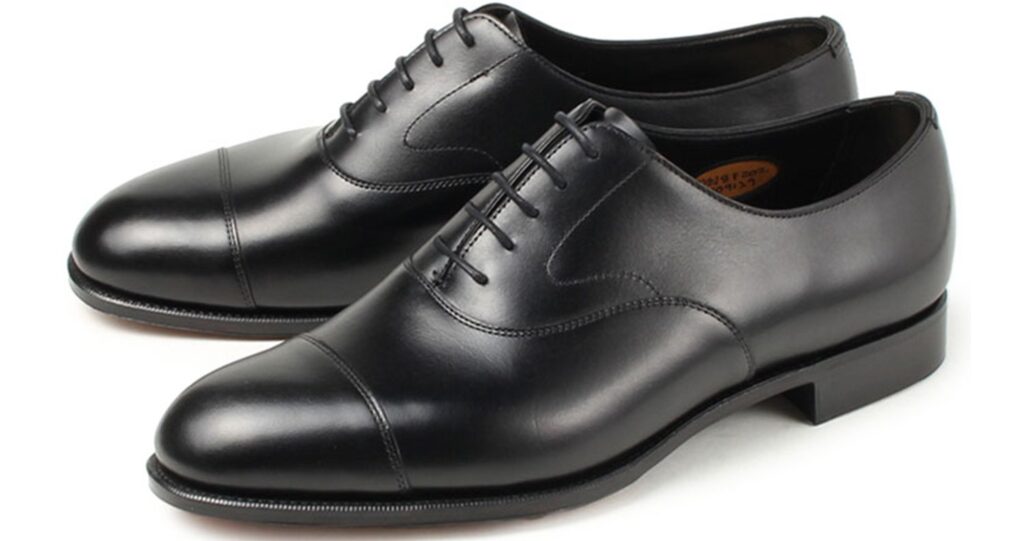
A simple way to classify leather is this: calfskin is dressy, while virtually every other leather is more casual.
(Patent leather is an exception.)
Suede, crocodile, cordovan, and ostrich are all considered more casual than calfskin. Perhaps this is because exotic or textured leathers make the animal origin of the material more apparent.
It’s interesting to think that even a pair of crocodile shoes costing several thousand dollars could still be considered less formal than an inexpensive black calfskin cap-toe Oxford.
That said, shoes worn with a suit do not necessarily have to be made of calfskin.
Many respected figures in classic menswear frequently pair suede shoes with tailored suits.
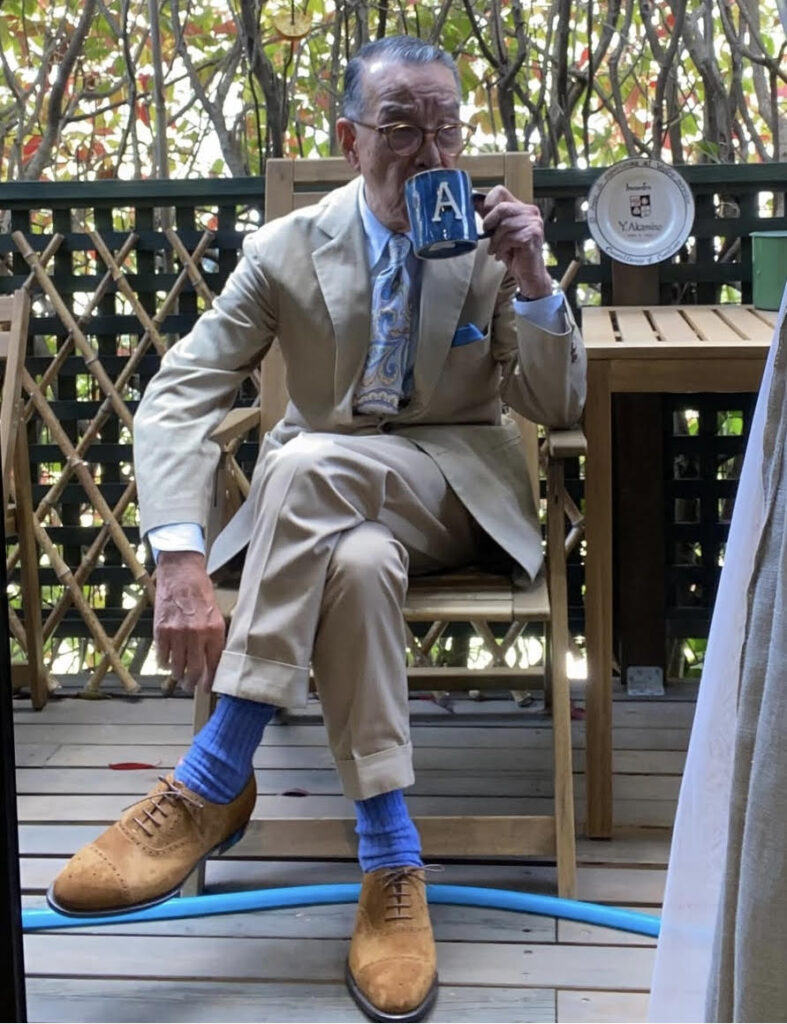
While examples of crocodile shoes worn with tailoring are relatively rare, they do exist within the world of classic menswear.
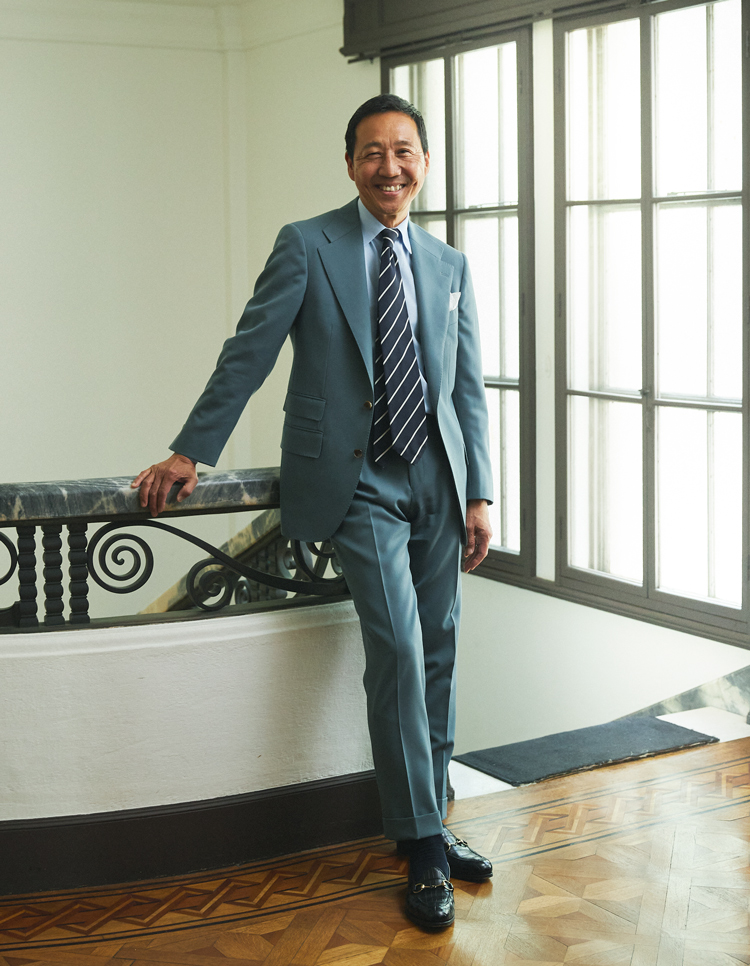
What Does an ’80s New York Trad-Inspired Suit Style Look Like? | MEN’S EX ONLINE
In both cases, the suits lean slightly toward the casual side of tailoring, but they demonstrate that materials other than calfskin can certainly work with a suit and tie.
However, I struggled to find examples of cordovan shoes being worn with a traditional suit-and-tie combination.
For that reason, I believe cordovan remains, at its core, a casual leather.
Denim, Linen, or Flannel: What Pairs Best with Cordovan?
If cordovan shoes are inherently casual, what kinds of clothing work best with them?
In my opinion, nothing pairs better with cordovan than denim.
Whether it’s blue, white, or black denim, the textured surface of denim and the subdued yet beautiful shine of cordovan share a similar sense of ruggedness. That common character is what makes the combination work so well.
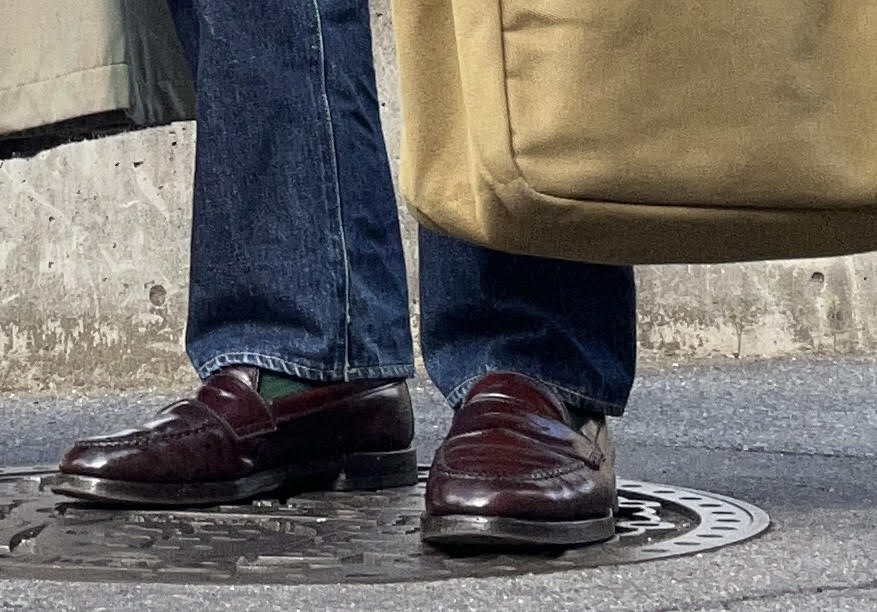
What about linen, another fabric known for its texture?
While linen and denim share a somewhat similar surface character, I find that cordovan paired with linen is good—but not ideal.
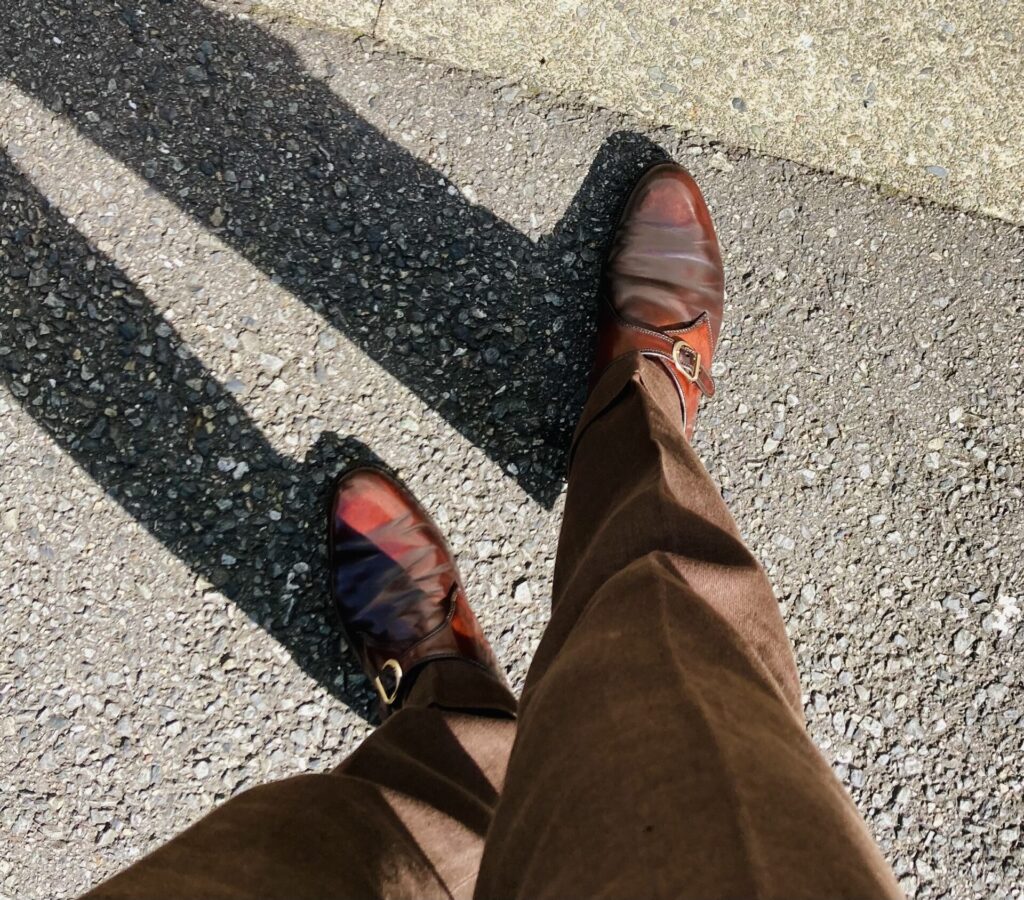
Linen emphasizes naturalness, elegance, and lightness rather than ruggedness. Cordovan, on the other hand, is substantial, thick, and robust. I would rate the pairing around 70 out of 100.
Lightweight-looking fabrics tend to work best with shoes that also convey a sense of lightness.
What about flannel?
Flannel has a brushed texture and considerable depth. While it isn’t rugged in the same way as denim, it certainly doesn’t feel as light as linen.
For that reason, I think flannel and cordovan make a very compatible pairing.
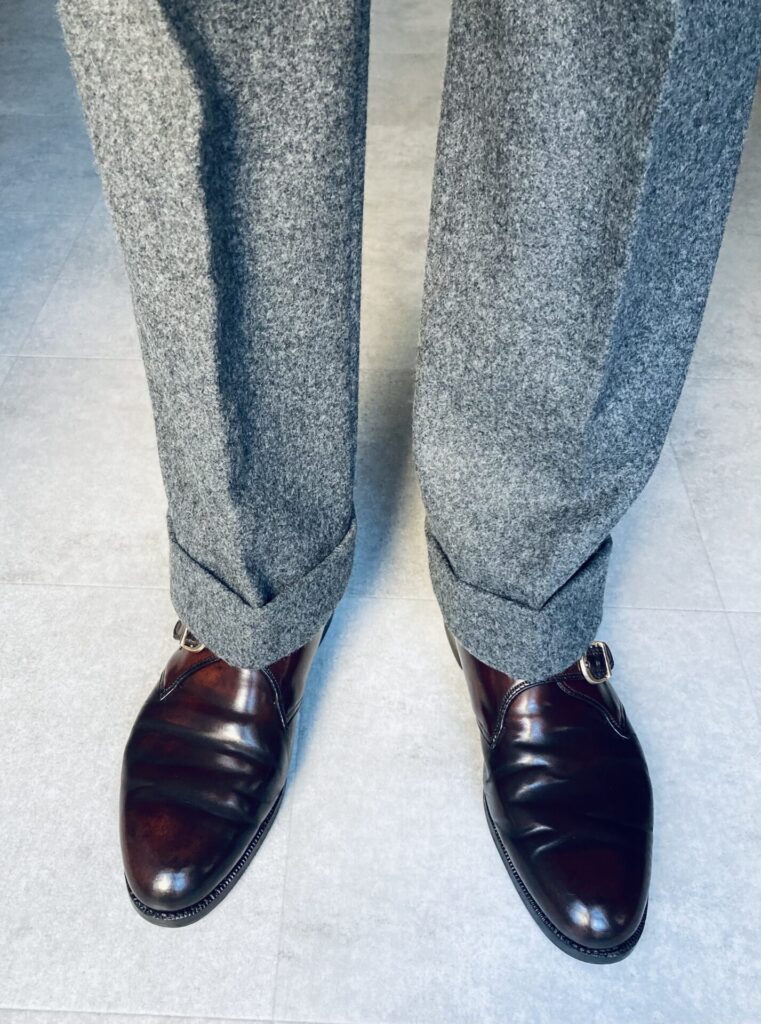
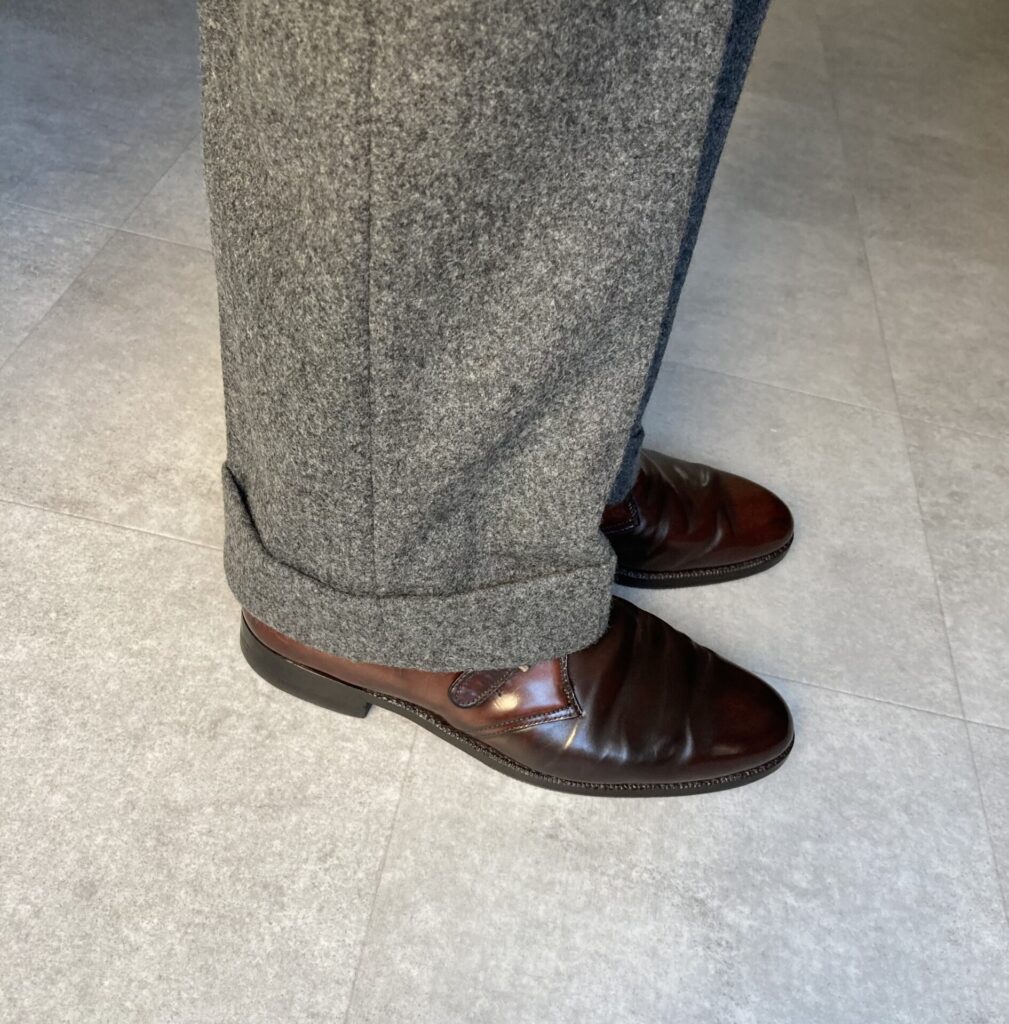
Having tried the combination myself, I think it works quite well.
The same applies to tweed and corduroy. Like flannel, both fabrics possess a certain weight and substance that complement cordovan nicely.
In other words, the fabrics that pair best with cordovan are those that possess ruggedness and visual weight.
If a suit is made from such fabrics, wearing it with cordovan shoes does not feel out of place.
That said, cordovan inevitably introduces a casual element. Rather than pairing it with a formal tie, I believe it works better with more relaxed tailoring—for example, a coordinated suit worn with a knit instead of a dress shirt and tie.
The Importance of Shoe Style
Not all cordovan shoes are the same. There are lace-up shoes, loafers, monk straps, and many other styles.
A cordovan lace-up, particularly a cap-toe Oxford, can be worn with a suit under the right circumstances. A cordovan loafer, however, often feels too casual for a traditional suit-and-tie look, even when paired with flannel or tweed.
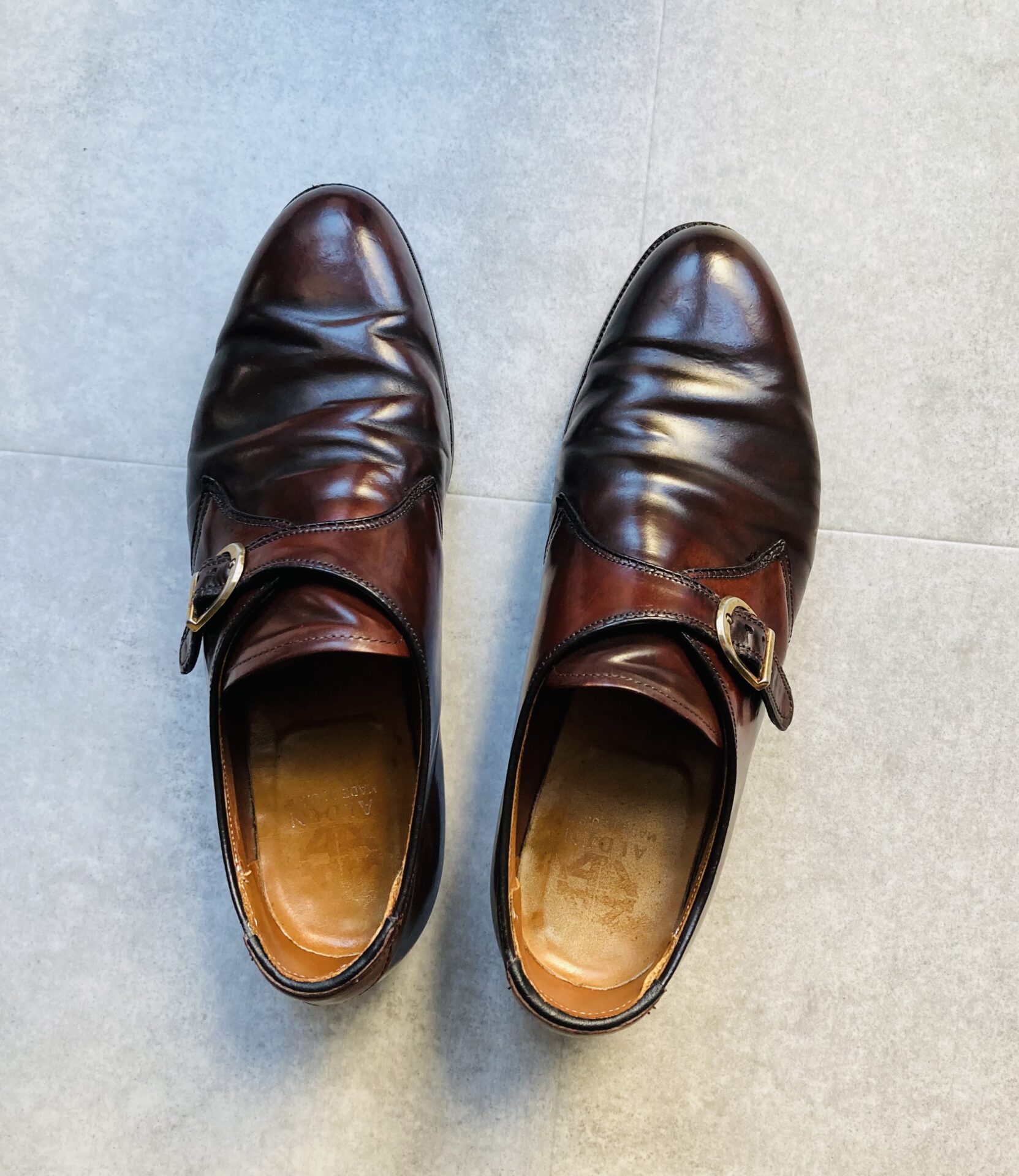
I personally own two pairs of cordovan shoes: penny loafers and single monk straps.
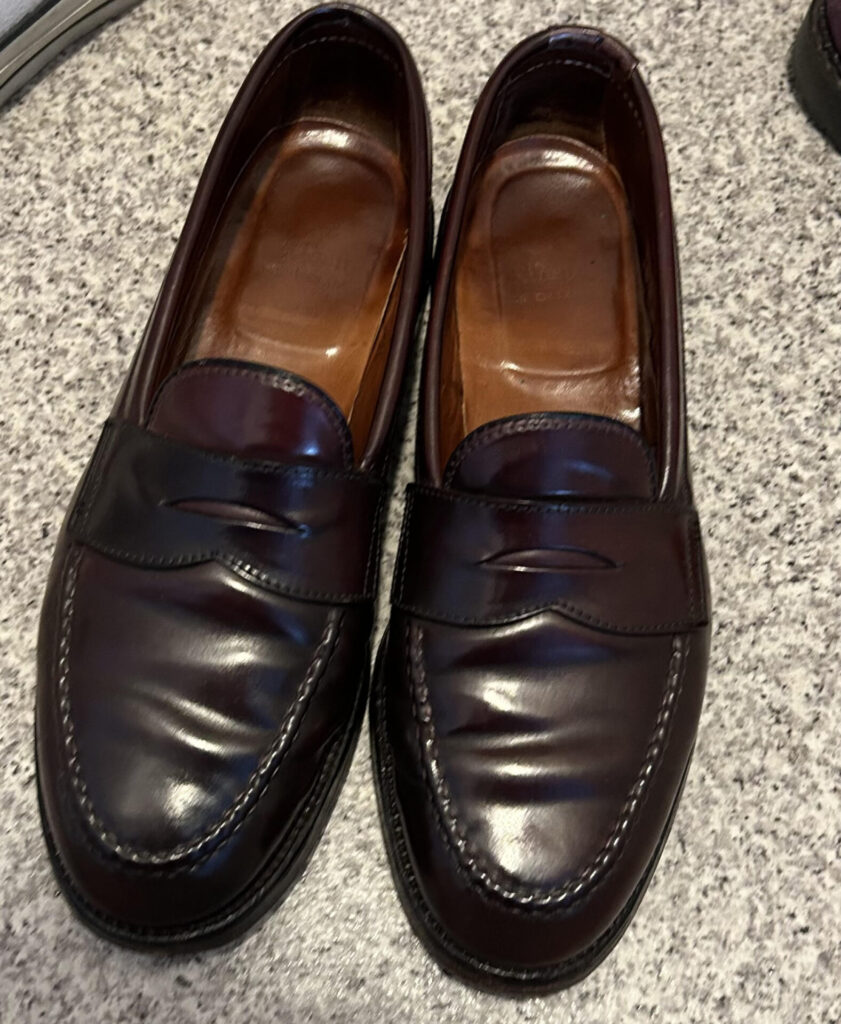
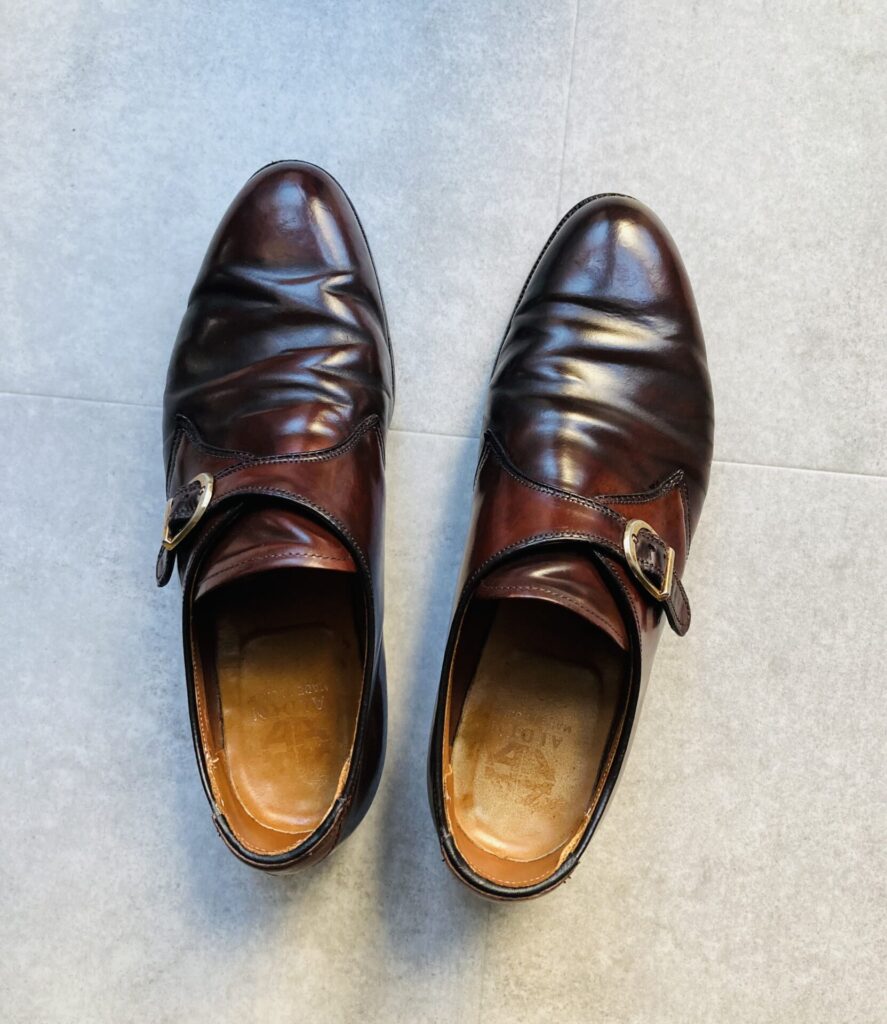
Incidentally, both pairs are burgundy.
The penny loafers are highly casual. In fact, I find them so well-suited to denim that they rarely work as well with anything else.
The single monk straps have a longer, sleeker silhouette, making them easier to wear with tailoring.
Ironically, they are not my favorite choice with denim.
Does Color Make a Difference?
I only own burgundy cordovan, but cordovan shoes are available in many colors, including black and whiskey.
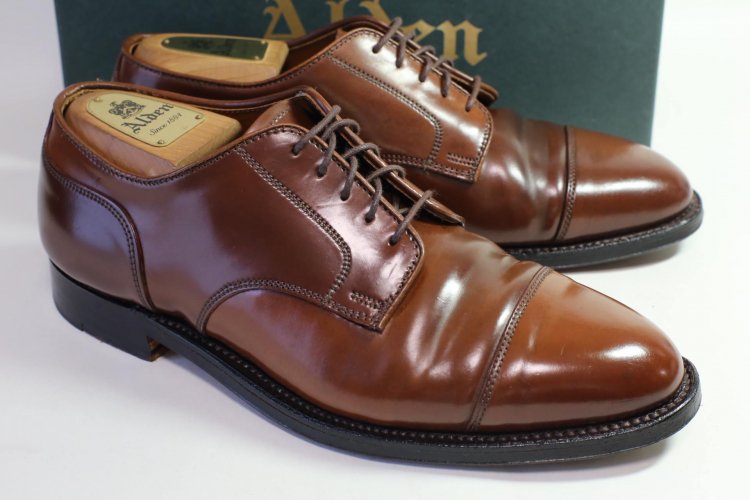
With calfskin, black significantly increases formality. With cordovan, however, I don’t think black completely removes the leather’s casual character.
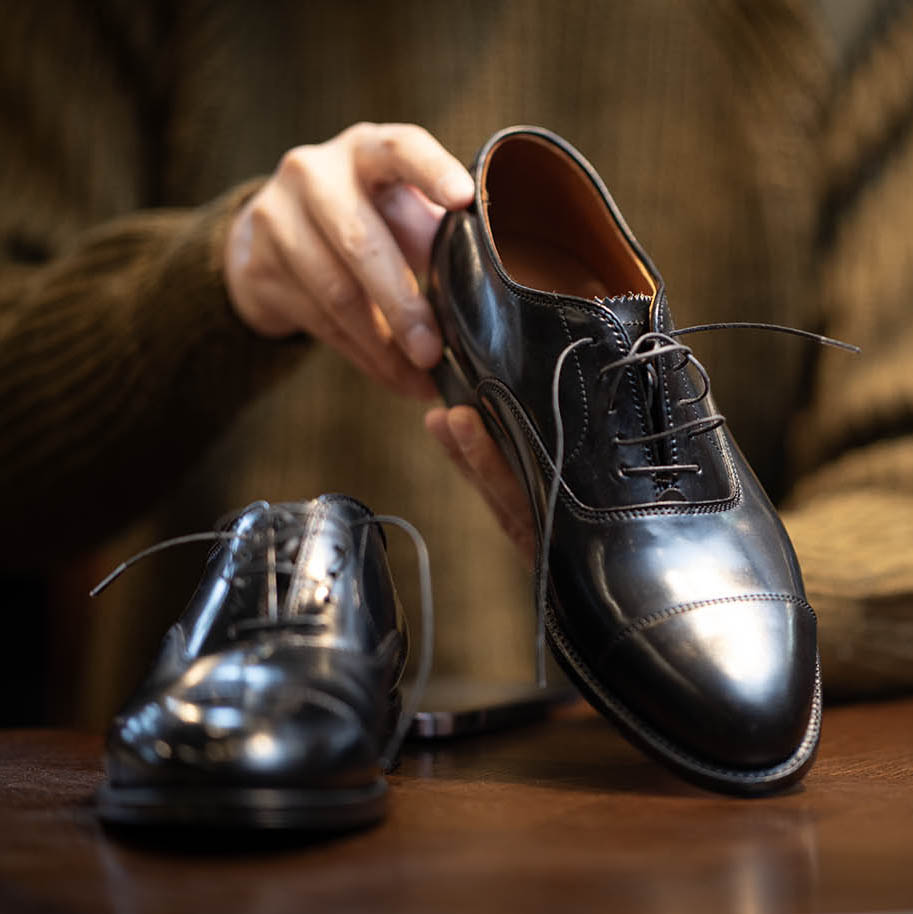
For that reason, I believe the practical versatility of cordovan remains relatively similar regardless of color.
Conclusion
Cordovan is ultimately a casual leather. Regardless of color or shoe style, cordovan tends to create a more relaxed impression than calfskin.
The fabric that pairs best with cordovan is denim, because both share a rugged, substantial character.
If you wish to wear cordovan shoes with a suit, heavier fabrics such as tweed, flannel, and corduroy are your best options.
That sums up my thoughts on the subject.
Thank you for reading.


コメント