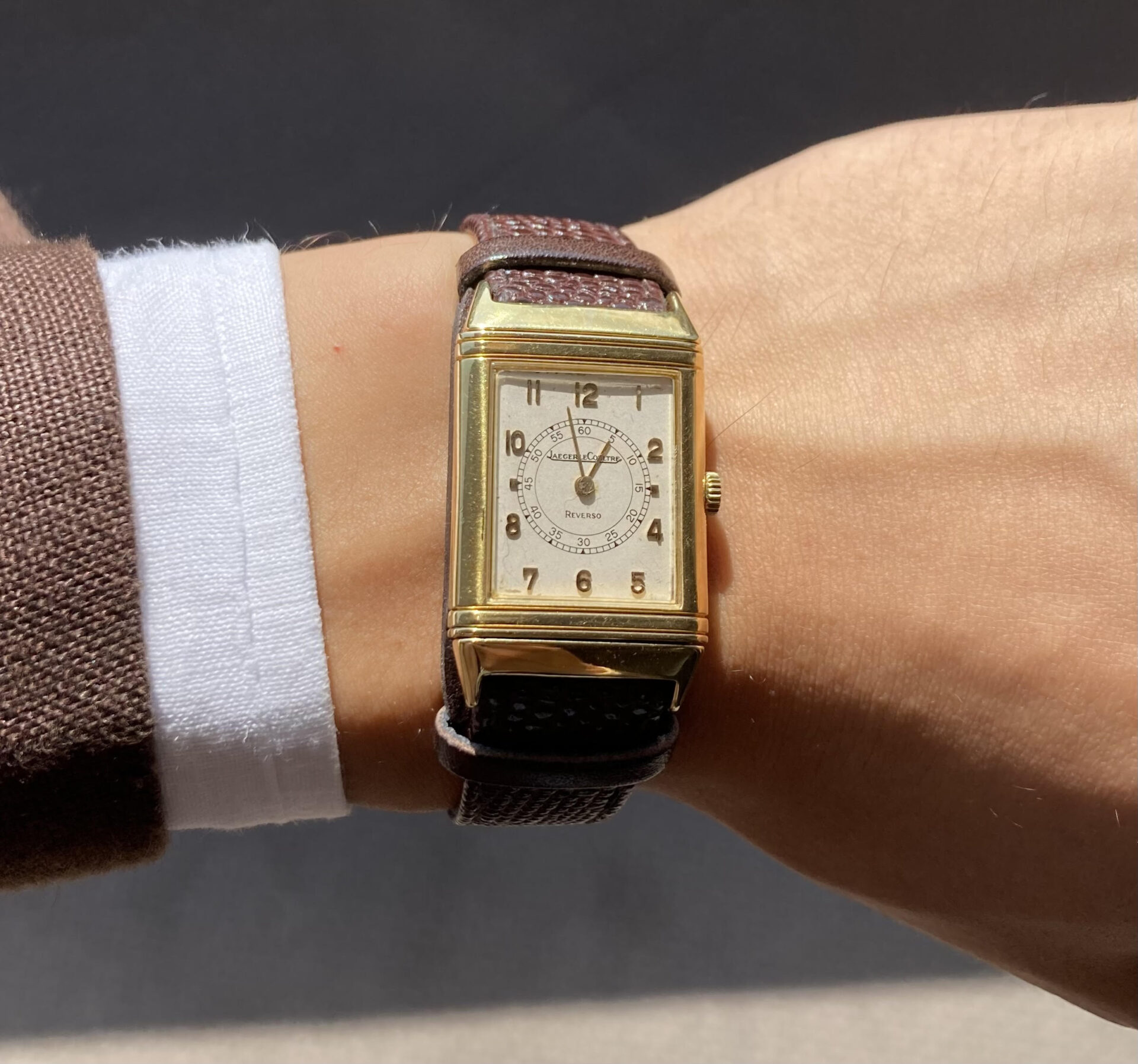
Hello, I’m Mr. Linen.
You may not wear one every day, but a proper dress watch—something you can rely on for important occasions—is essential, isn’t it?


As I mentioned there, I personally use the Jaeger-LeCoultre Reverso as a dress watch.
Let me tell you why I love the Reverso.
A Truly Unique Shape
I love rectangular watches.
In old films, when I see a gentleman in a classic suit wearing a small rectangular watch, it genuinely moves me.
The Cartier Tank is perhaps the most iconic rectangular watch, but I believe the Jaeger-LeCoultre Reverso is just as iconic.
The defining feature—true to the name “Reverso”—is its reversible case.
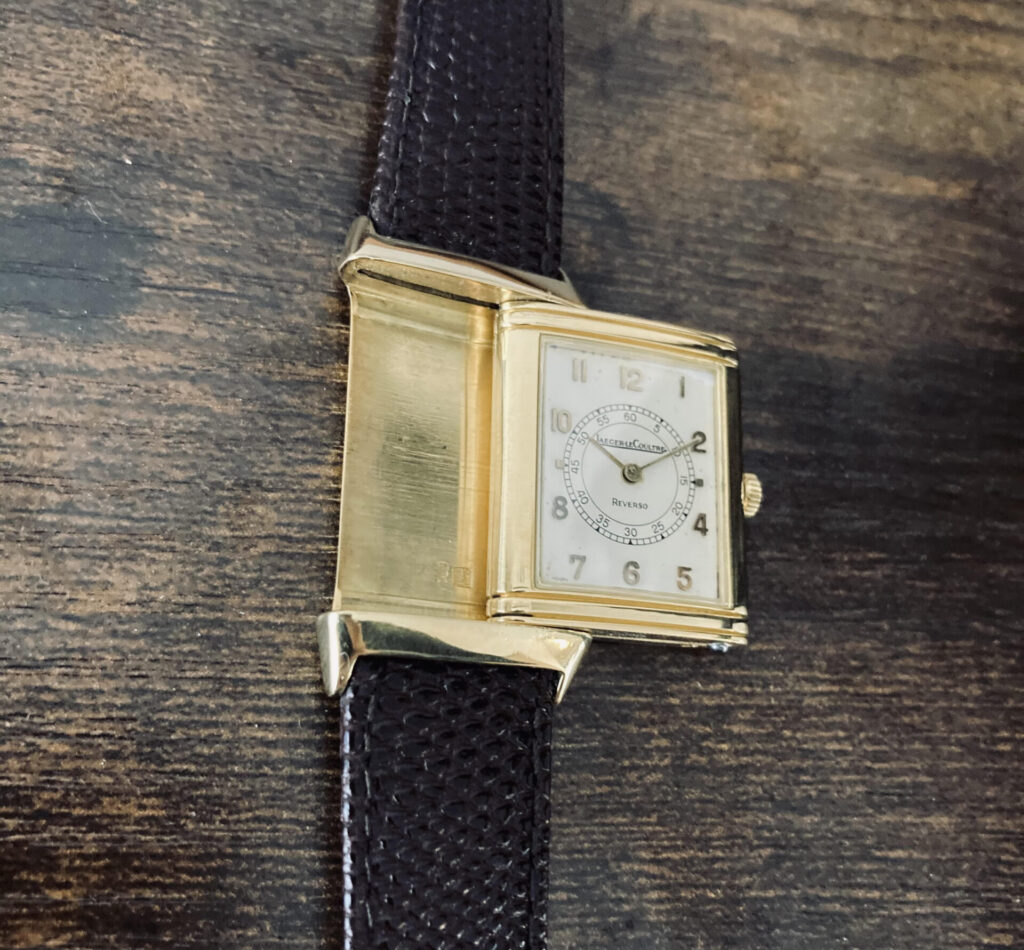
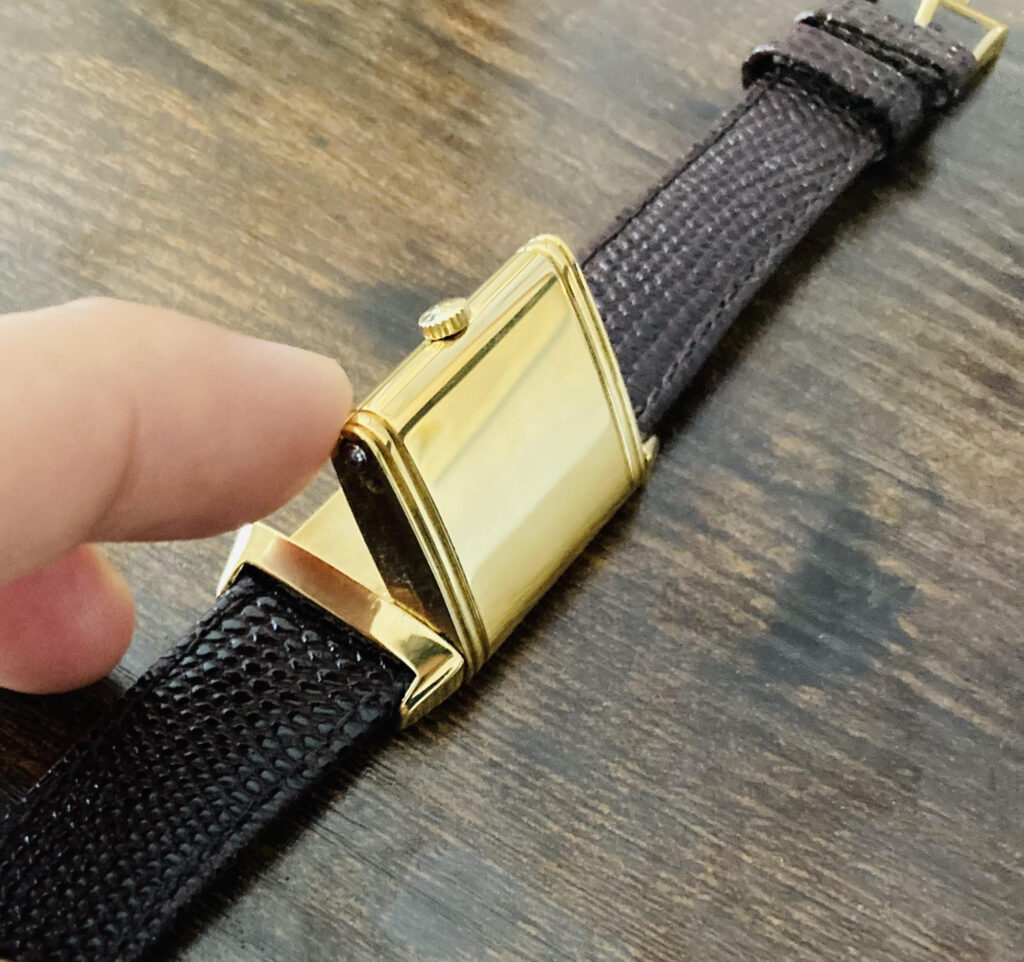
Many of you may already know this, but the feature was born in the 1930s. During polo matches, watch crystals would often shatter from impact, leading to the idea of a reversible case for protection.
Today, it serves little practical purpose—but it undeniably appeals to the romantic side of watch enthusiasts.
In fact, reversible watches have existed beyond Jaeger-LeCoultre.
Sometimes, even non-Jaeger-LeCoultre reversible watches are casually referred to as “Reverso.”
I’ve seen versions by Yves Saint Laurent and Cartier. Both are incredibly cool—but nearly impossible to find.
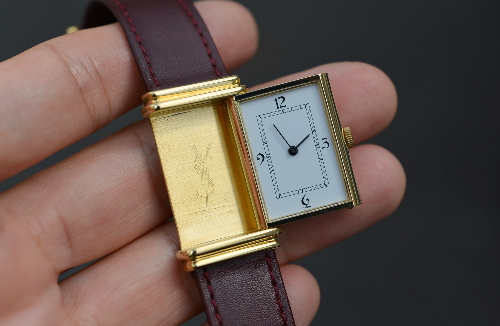
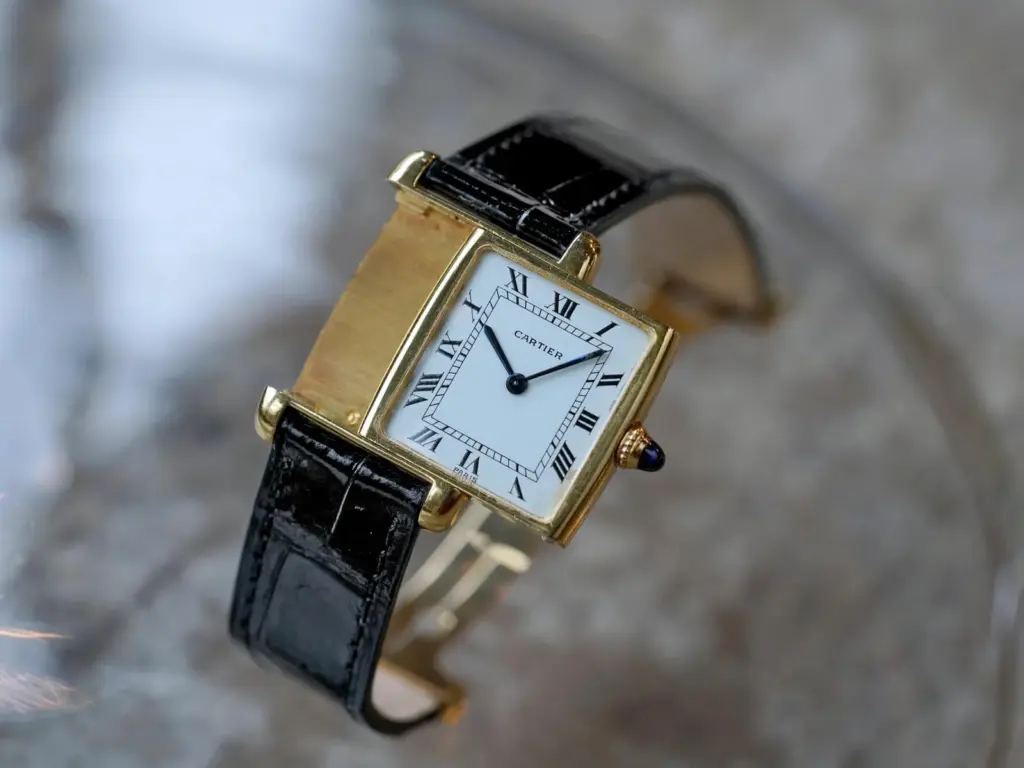
However, the original—the true Reverso—belongs to Jaeger-LeCoultre.
From here on, unless stated otherwise, “Reverso” refers specifically to the Jaeger-LeCoultre Reverso.
Why Jaeger-LeCoultre Matters
The Reverso’s design is undeniably special—but part of its appeal is that it comes from Jaeger-LeCoultre.
If another brand made the exact same shape, I doubt I’d find it as compelling.
You could call that brand bias—and perhaps it is—but we all have brands we’re inexplicably drawn to.
Jaeger-LeCoultre is often described as a “watchmaker’s watchmaker,” known for its exceptional technical expertise.
They have supplied movements to many of the world’s top brands, including Audemars Piguet, and Vacheron Constantin.
Today, most luxury brands produce their own movements, but in the past, many relied on trusted specialists like Jaeger-LeCoultre.
Even the Cartier Reverso mentioned earlier reportedly uses a Jaeger-LeCoultre movement.
Because of this history, Jaeger-LeCoultre is often considered a brand for true watch enthusiasts.
It’s not about showing off—it’s about quiet appreciation. That understated elegance really appealed to me.
Despite knowing very little about watches at the time, I learned just enough to think: Jaeger-LeCoultre is amazing—I want a dress watch from this brand.
Gold or Stainless Steel?
The Reverso comes in both gold and stainless steel (and occasionally two-tone).
The gold versions are solid 18k—not gold-plated.
Unsurprisingly, gold models are more expensive.
That said, stainless steel Reversos are also incredibly attractive.
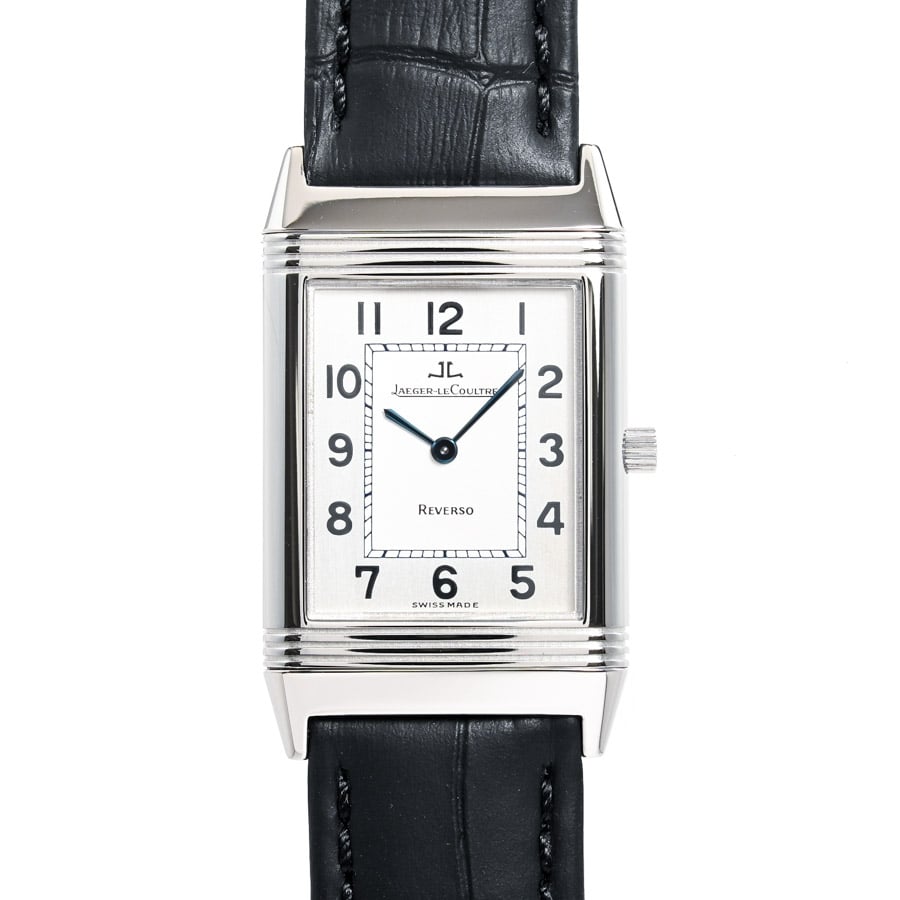
I love the Reverso so much that if I ever buy another dress watch, it would likely be a stainless steel Reverso.
But when I bought mine, it was my first dress watch.
A writer I admire, Masakatsu Ochiai, once wrote: “A dress watch must be solid gold.”
That idea stuck with me.
Among gold options, yellow gold—rather than white or rose—can sometimes feel flashy to older generations, but for someone my age, it feels quite natural.
I had never even touched a solid gold watch before—but I decided to go for it.
Only Vintage Speaks to Me
Jaeger-LeCoultre still produces the Reverso today.
Originally, the reverse side was plain metal, but modern versions often feature a second dial—creating a dual-face watch.
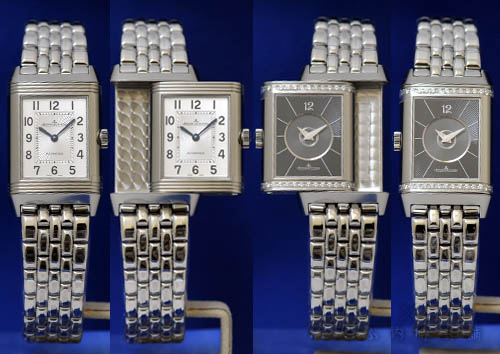
Modern Reversos are beautiful, but they tend to be slightly larger and feel a bit too polished for my taste.
Also, they are simply too expensive for me.
The one I own is from the 1980s, said to be a reissue of a 1930s design.
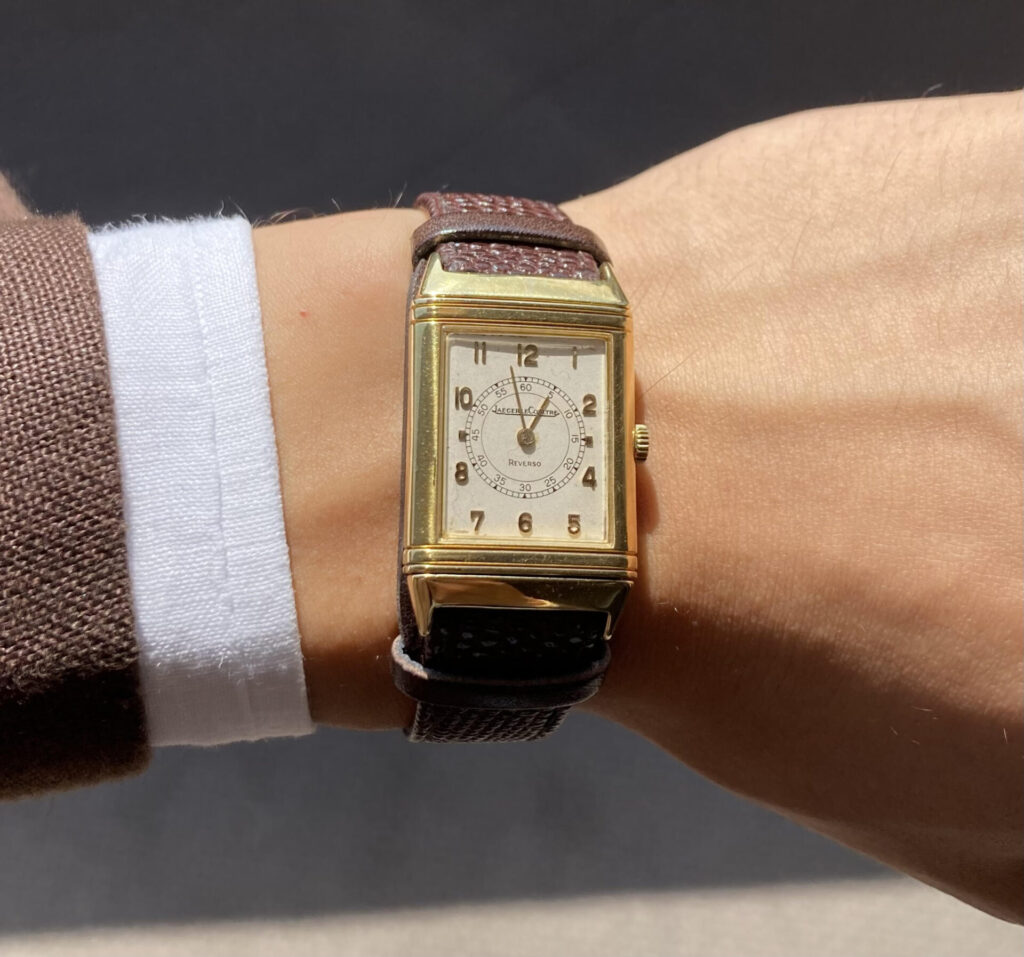
The classic design features a “railway” minute track—a rectangular track resembling train rails—but mine has a circular track instead.
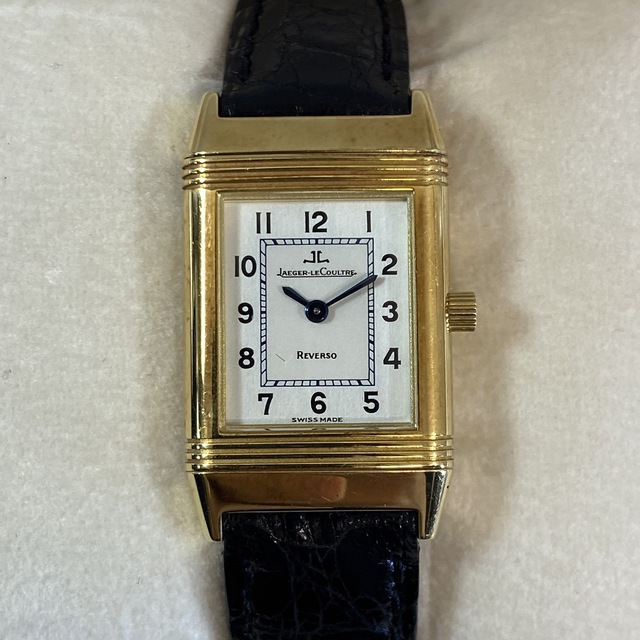
The numerals feel slightly playful—almost charming in a subtle way.
Both designs are great, but mine was relatively affordable, so I took the opportunity and bought it about several years ago.
When to Wear It
Originally designed for polo, it was technically a sports watch.
Today, however, it is firmly established as a dress watch.
I wear my Reverso not only for formal occasions, but whenever I want to elevate a suit.
That said, it works well beyond suits.
Sometimes I even pair it with a polo shirt—a playful nod to its origins. It also works with knitwear or linen shirts.
T-shirts, however, tend to clash with its dressy nature.
The Endless Rabbit Hole of Watches
The pinnacle of dress watches is often said to be the Patek Philippe Calatrava.
New models cost around $43,000 (as of August 2024), while vintage pieces typically range around $13,000, with popular models exceeding $20,000.
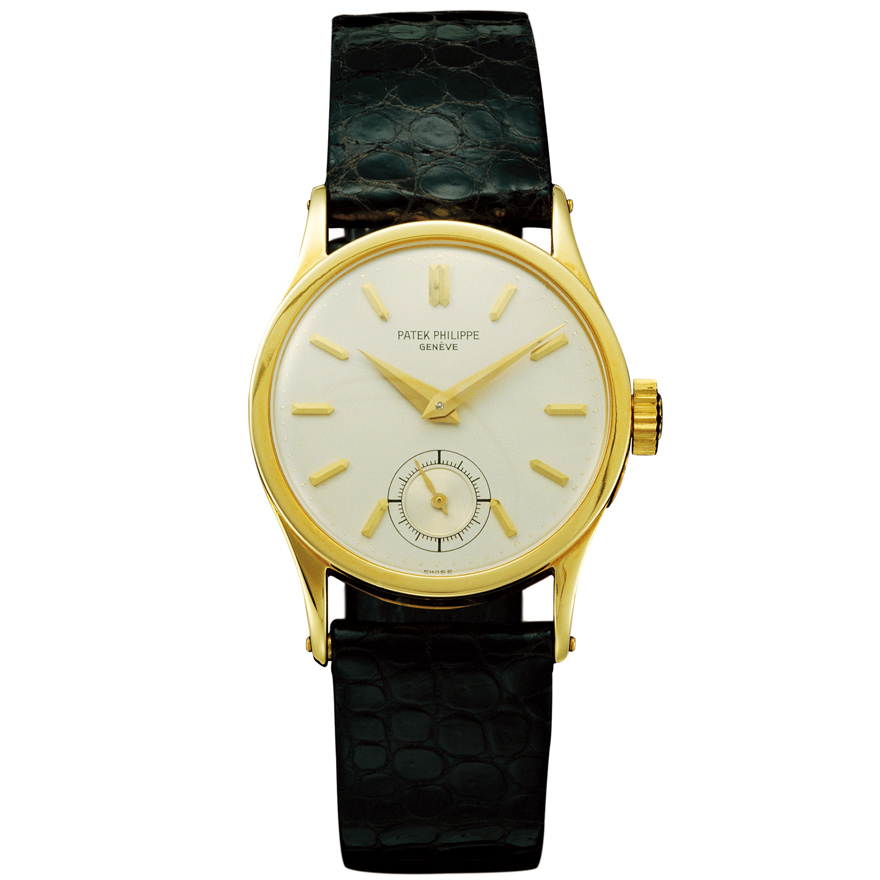
If I could afford one, I’d love to own it—but realistically, I probably never will.
One dress watch is enough, but there are so many beautiful watches out there. The Breguet Classique is another dream piece.
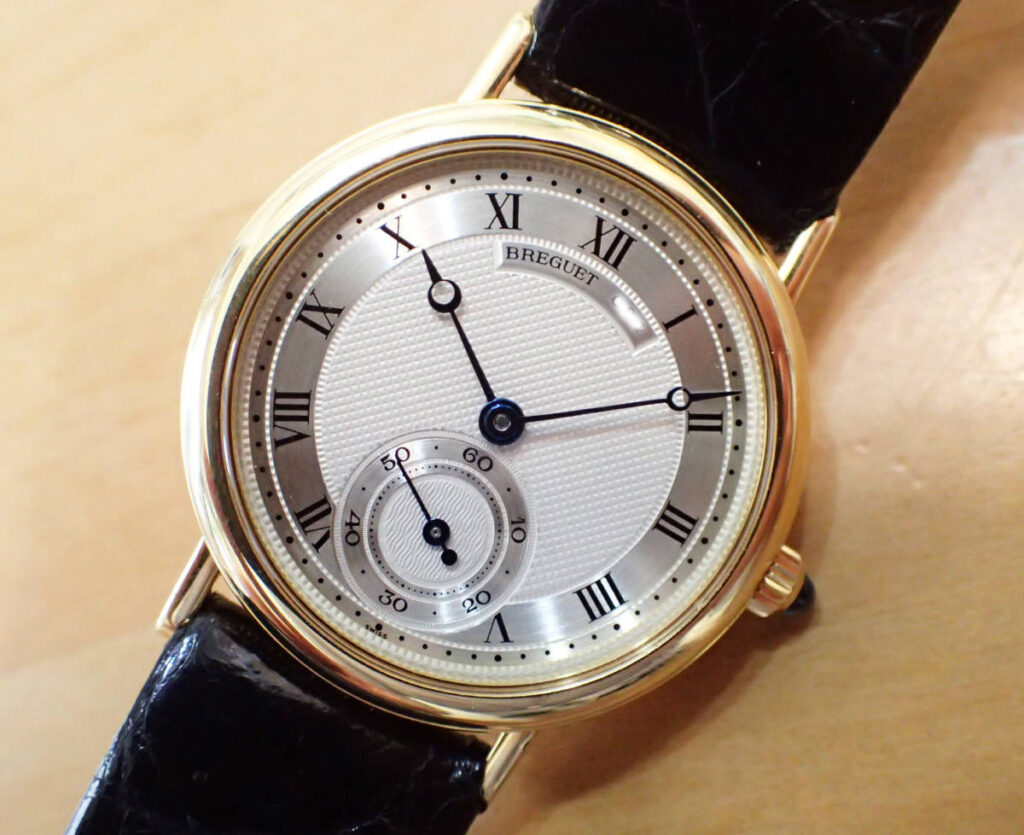
Right now, the watch I want most—ironically—is another Reverso, this time in stainless steel.
Since mine is gold, there are moments when the color feels a bit too prominent.
For example, when wearing a grey suit with black shoes and aiming for a monochrome look.
Gold still works—but sometimes I want the cooler tone of steel.
The color of metal hardware—on belts or bags—also subtly affects the overall harmony.
Everything doesn’t need to match perfectly, but coordination helps.
Since I don’t own a silver-toned dress watch, I want a stainless steel Reverso.
It doesn’t have to be a Reverso—but I simply love the shape too much.
Modern models cost around $10,000 even in steel—out of reach for me.
Vintage ones are about $5,300—still a serious stretch.
Prices keep rising while I hesitate. I know now is the cheapest it will ever be—but still…
Being consumed by desire for beautiful objects is exhausting…



コメント