Hello, this is Mr. Linen.
For those who appreciate classic style, when it comes to piqué polo shirts (that textured fabric), I believe Lacoste is unquestionably number one.
Of course, the quality is excellent—but to be honest, purely in terms of fabric quality, I personally don’t feel a huge difference compared to something like Uniqlo’s polos.
I can tell whether the buttons are made of real shell or plastic, but in terms of comfort, both brands feel equally great when worn.
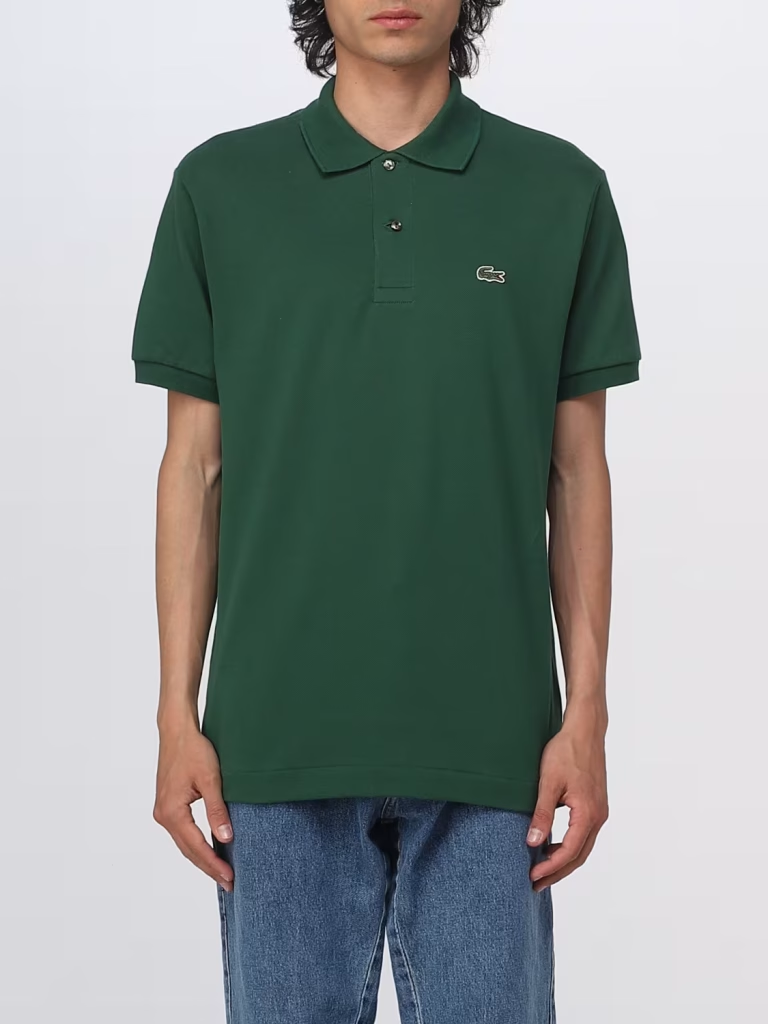
The biggest difference is the presence of that little crocodile on the chest.
Why a crocodile, of all animals, became so iconic—who knows?
It’s amazing how a brand can sell a polo shirt for five or six times the price just by adding a logo.
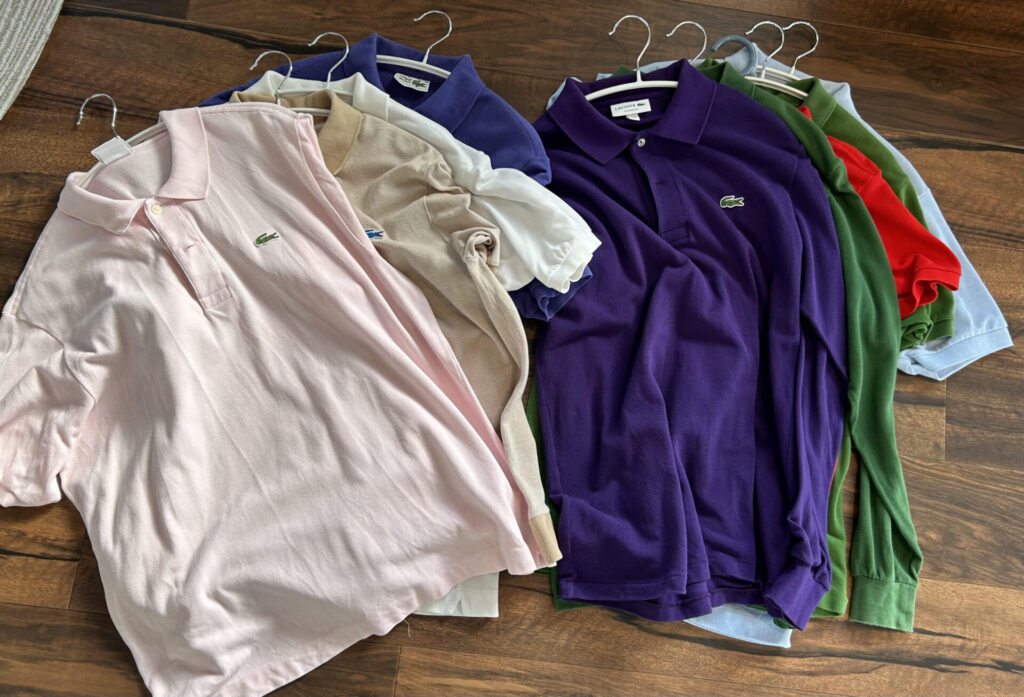
(That might sound negative, but I’m actually a fan of Lacoste—I mean this in a positive way.)
I wear Lacoste polos regularly, but I do have one issue.
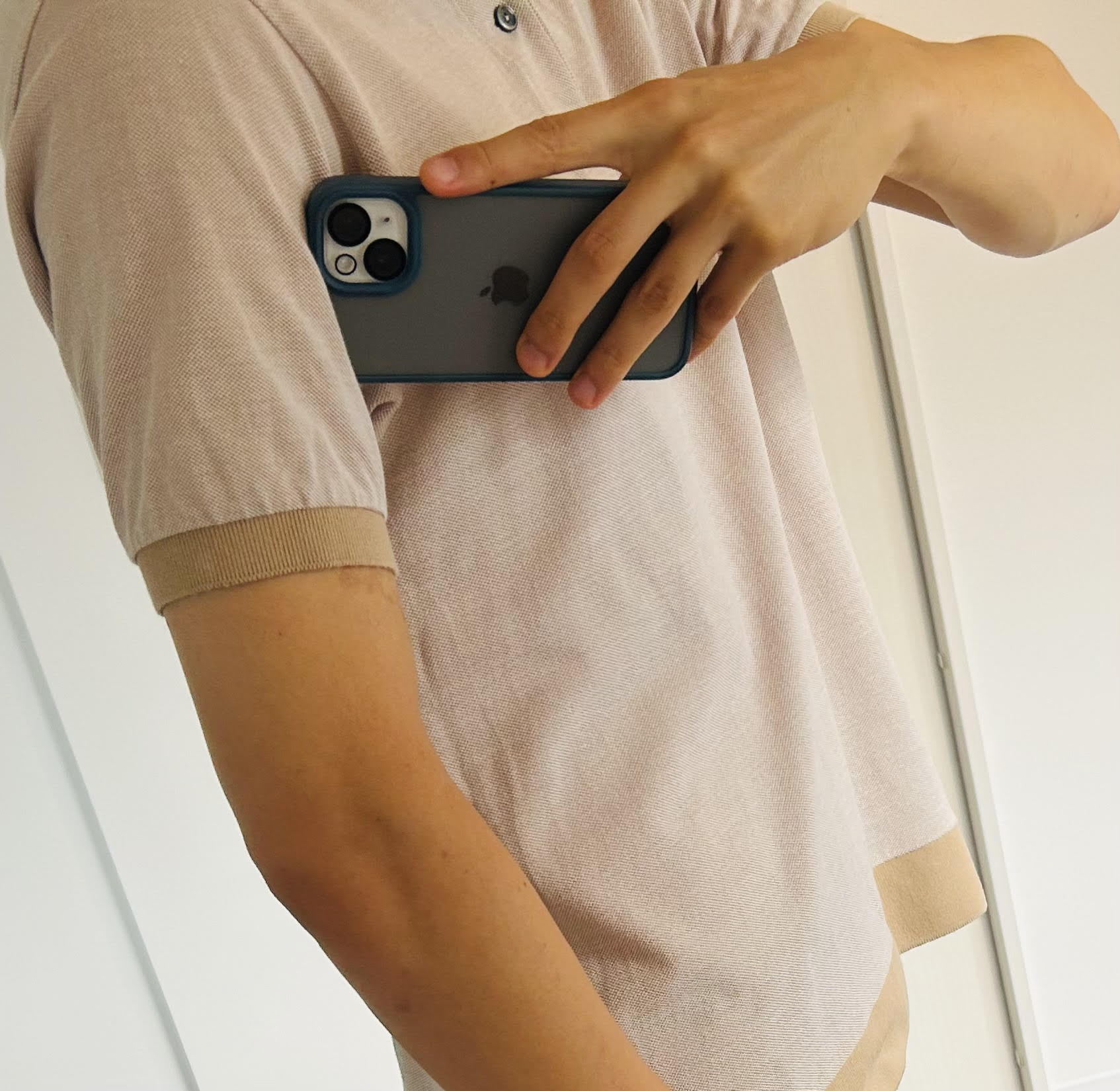
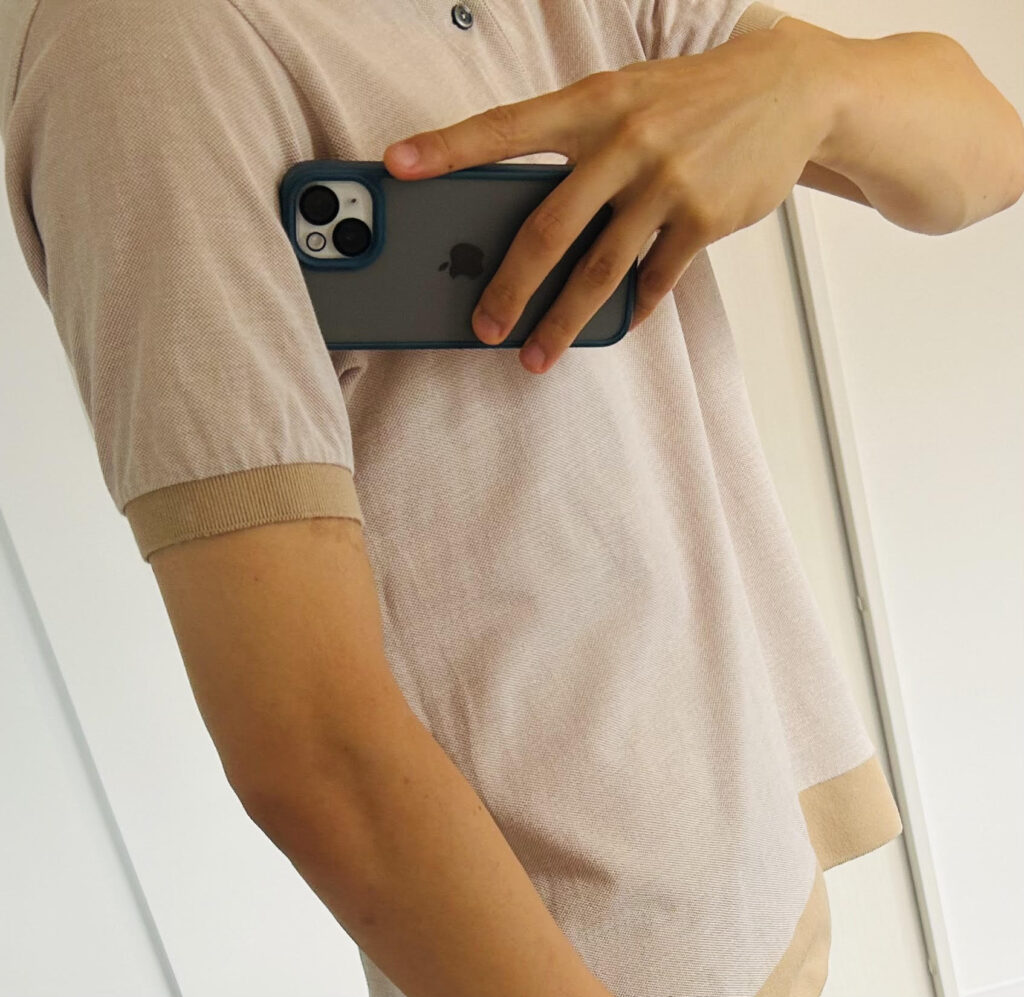
My arms are quite slim, so the sleeves end up looking loose and baggy.
I came up with a simple, free solution you can do at home to fix this gap, and I hope it helps others with slim arms as well.
Should Polo Shirt Sleeves Be Tight?
First, in my opinion, short-sleeve polo shirts look better when the sleeves fit closely around the arms.
Of course, there’s nothing wrong with a looser fit—in fact, it may even be more comfortable.
However, aesthetically, I think a closer fit looks more stylish.

It’s actually hard to explain why a tighter fit looks better.
With dress shirts worn under suits, I think a looser fit looks more elegant—but with polo shirts, I feel the exact opposite.

Source: Men’s-EX https://www.mens-ex.jp/archives/1152162/4/
Suit = dress = elegant
Polo shirt = sport = active
So perhaps showing a bit of the body’s silhouette enhances that active, sporty impression.
In any case, sleeve width is purely a matter of personal preference—and I prefer a slim fit.
Lacoste Sleeves Are Not Very Tight
Short-sleeve polos can be broadly divided into piqué fabric (like Lacoste) and knit polos, such as those from British brands like John Smedley.
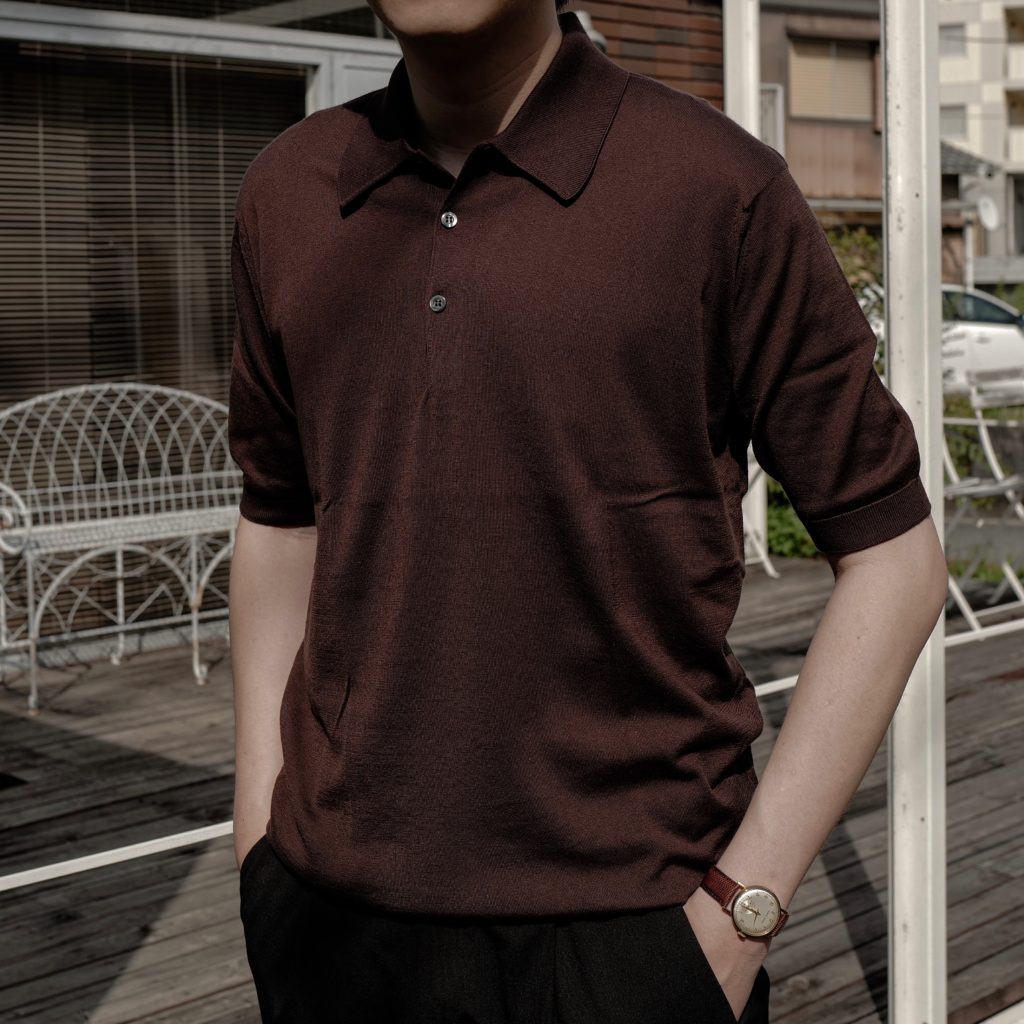
Knit polos often fit closely around the arms.
John Smedley polos are not skin-tight, but they have a nice, natural fit.
This is because the ribbed cuffs stretch like elastic.
With Lacoste, the sleeve cuffs don’t stretch much, yet they are made slightly wider to accommodate different body types.
If they made them too slim, people with larger arms wouldn’t be able to wear them—so this is understandable.
Why Not Just Size Down?
When choosing a Lacoste polo, most people focus on shoulder width and body length. Even with the right size, sleeves tend to feel loose unless you have larger arms.
You might think about sizing down—but then it just looks like you’re wearing a shirt that’s too small overall.
I wanted the body and shoulders to fit well, but just the sleeves to be slimmer.
What About Tailoring?
One simple option is to take it to a tailor.
Since polos are relatively simple garments, sleeve adjustments usually cost around $15–$30.
But would you spend that much on a single polo shirt?
I personally hesitated.
So I looked for a way to fix it myself.
DIY Fix
If you look closely at the sleeve, you’ll see it’s sewn together at the underarm.
The fabric is folded inward and stitched to hold it in place.
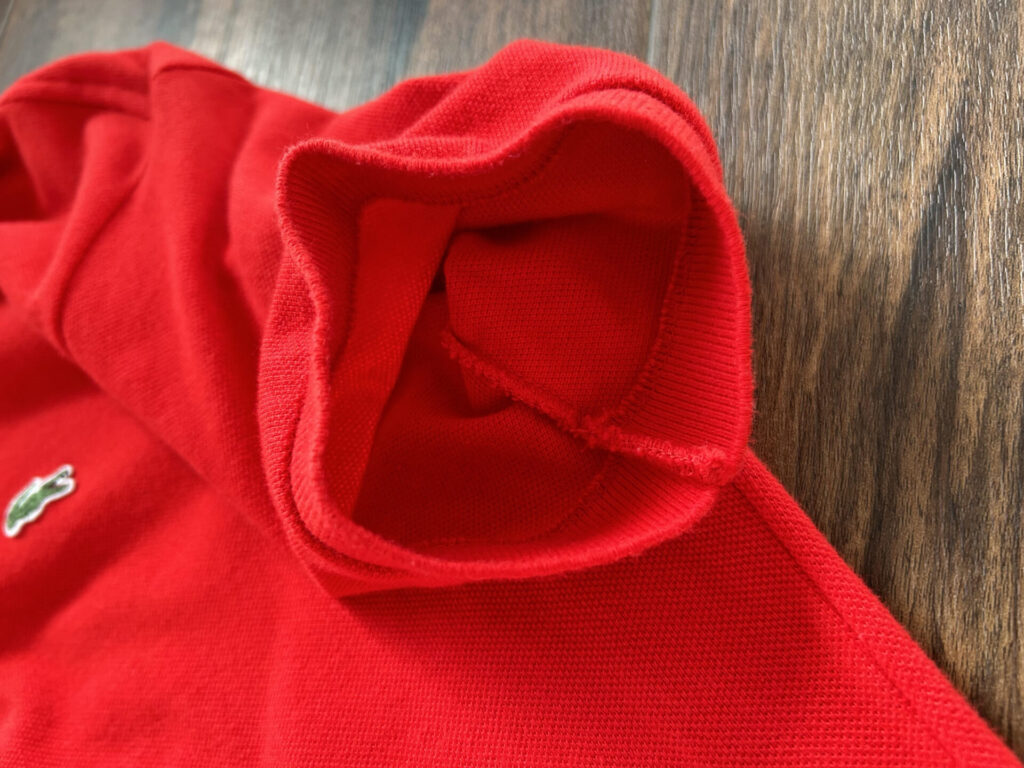
If you increase the width of this folded section, the sleeve circumference becomes smaller.
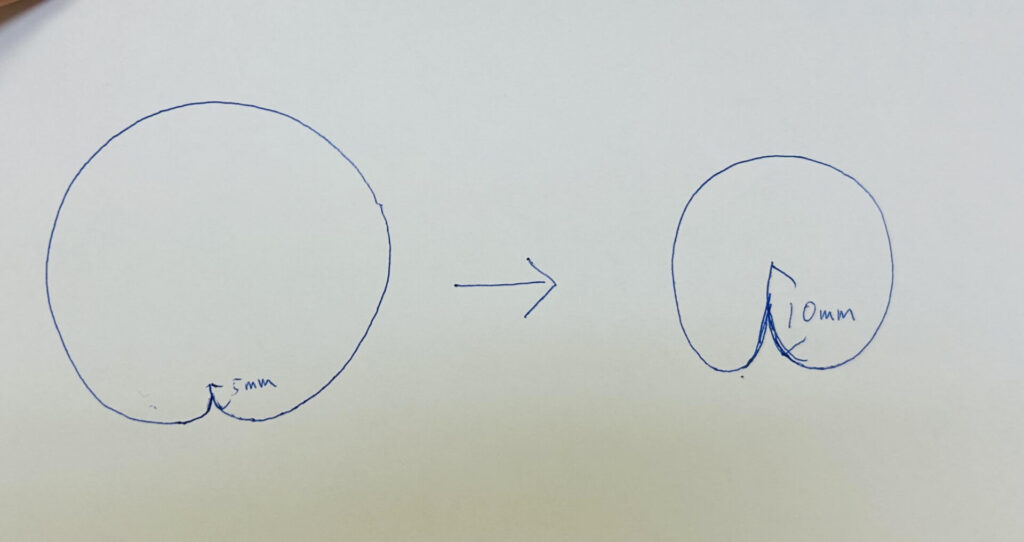
You could unpick the seam, cut fabric, and resew—but that’s difficult. Instead, this is a simpler method: just increase the inner fold without cutting or unsewing.
Excuse my rough diagram, but the red area indicates where to sew.
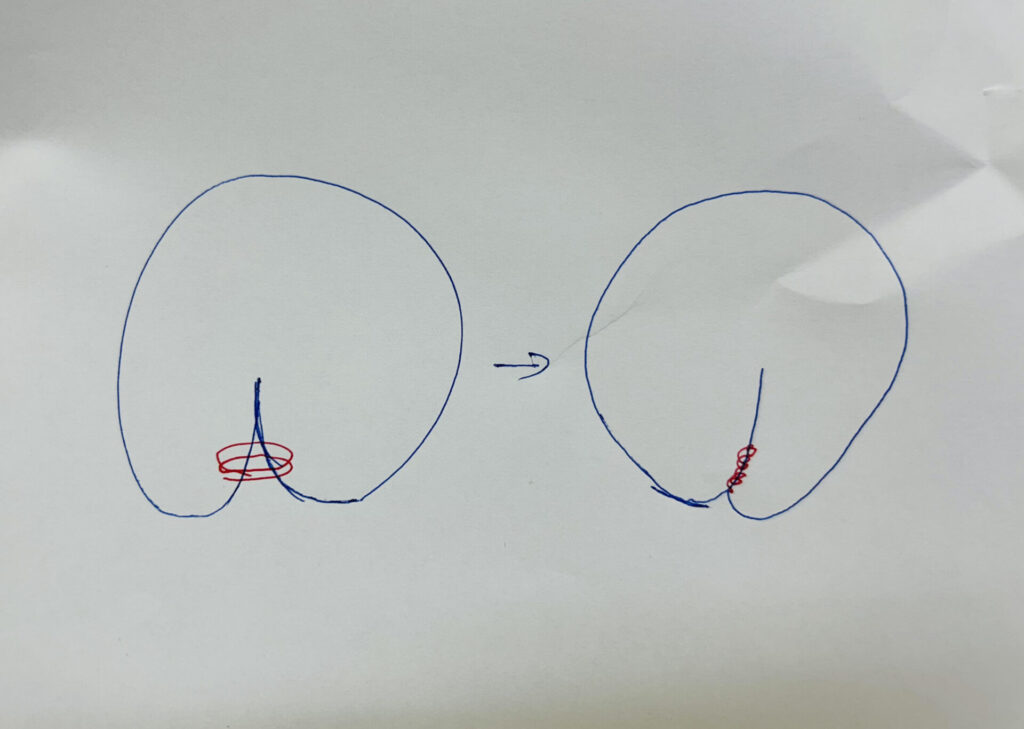
This part is hidden inside, so neatness doesn’t matter much—just stitch it securely.
While wearing the polo, pinch the sleeve to see how slim you want it, and remember that width.
Then take it off, turn it inside out, and sew back and forth several times at that point to secure it.
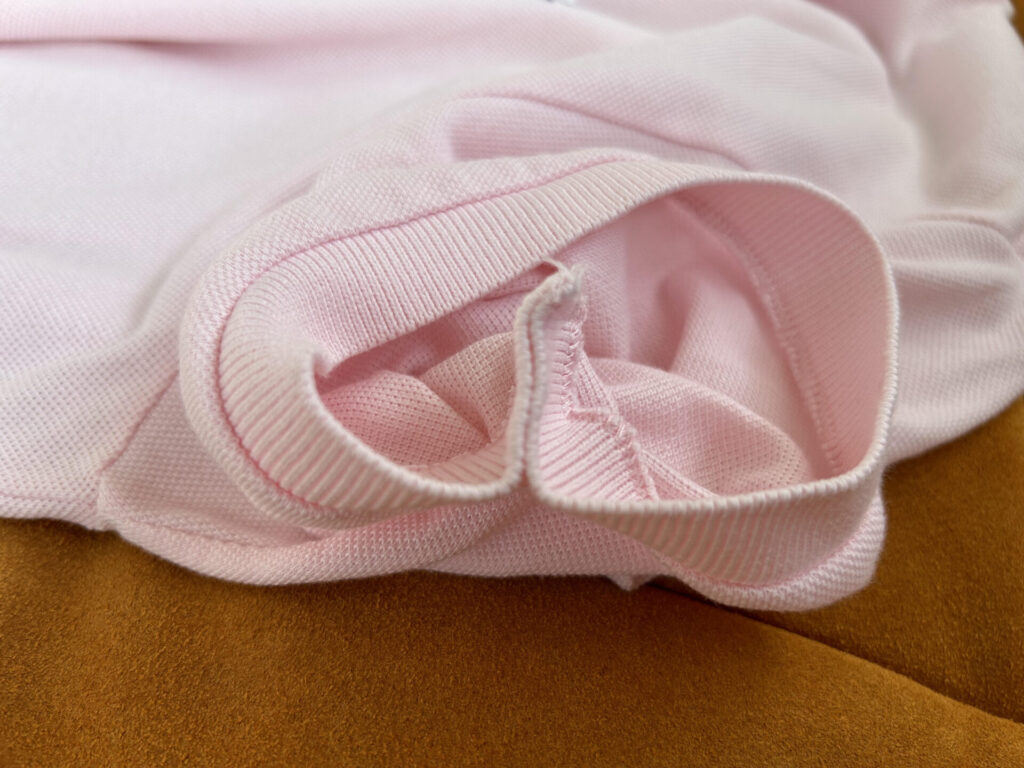
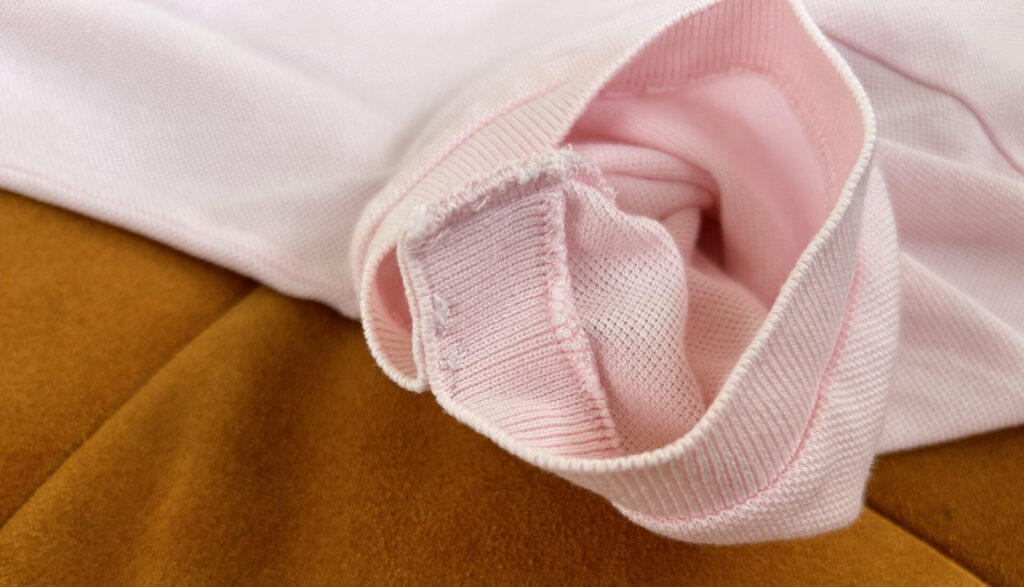
You might wonder whether to sew the entire sleeve length.
The answer: only sew the ribbed cuff area.
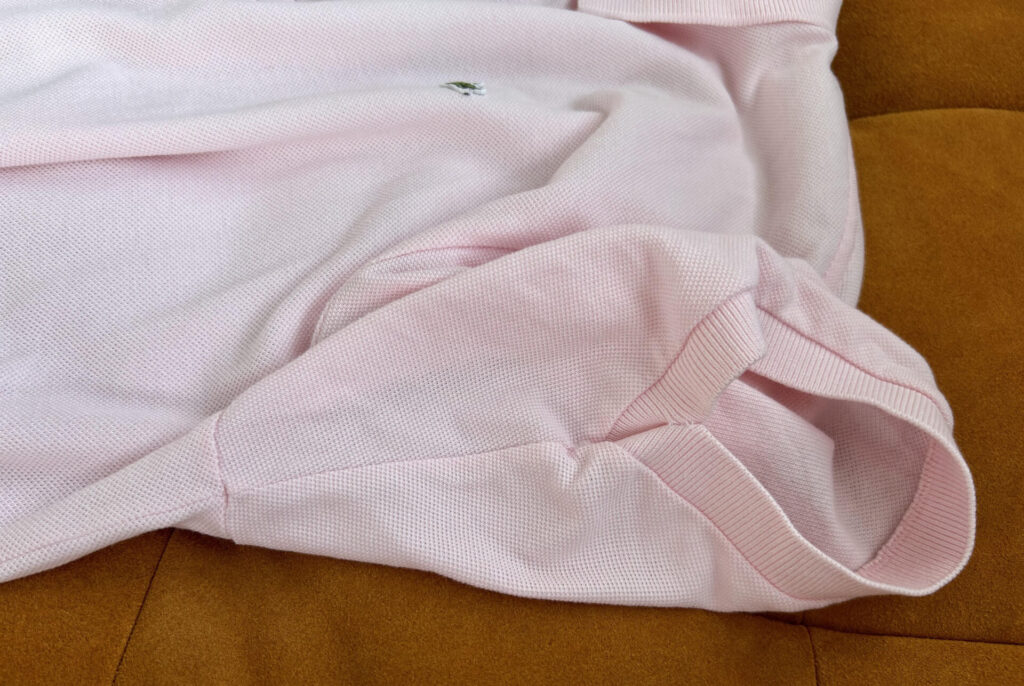
If you sew beyond the rib without cutting fabric, it will look messy and bulky—and it’s hard to do cleanly without a sewing machine.
Ideally, you’d tailor the entire sleeve, but doing that yourself is quite difficult.
Pros and Cons
This DIY method has one major downside.
If someone looks closely, they might notice.
When you raise your arm, only the cuff tightens noticeably, which can look slightly unnatural.
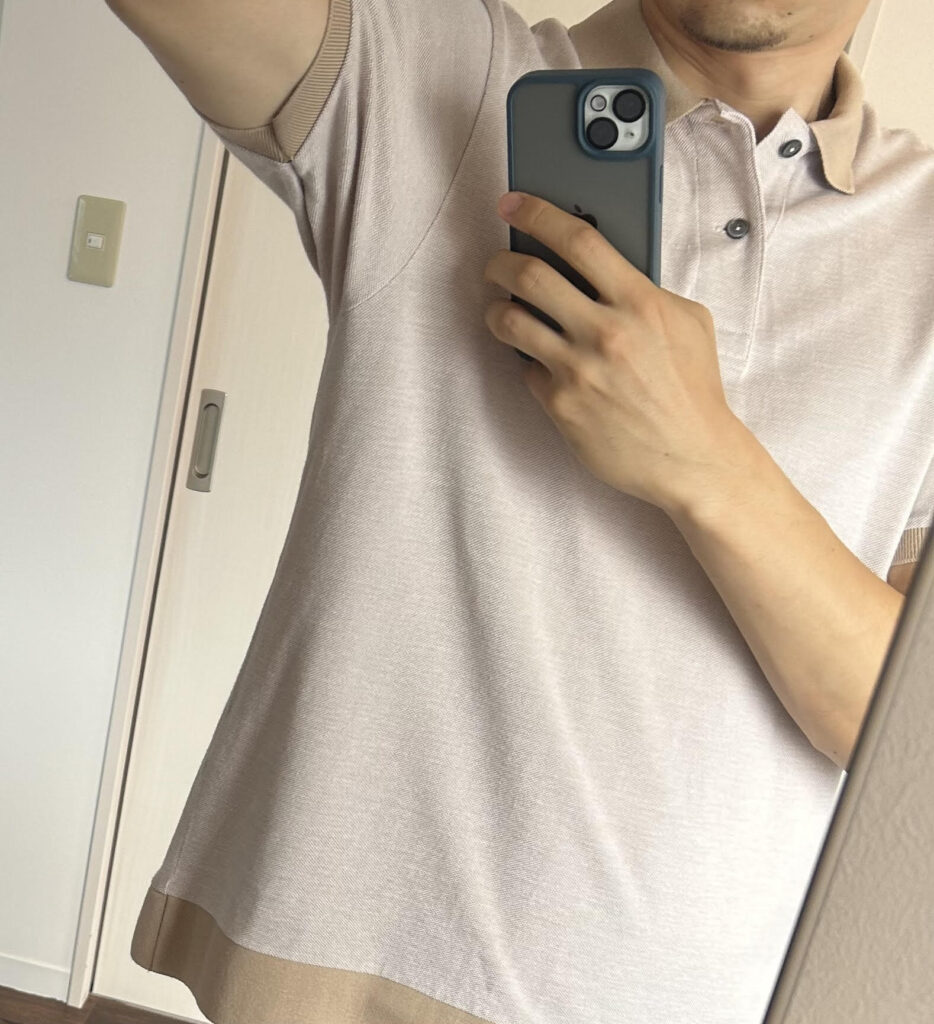
The stitching itself is hard to see, but the silhouette can look a bit off.
That said, people rarely look that closely—and unless you’re constantly raising your arms, it’s unlikely to be noticed.
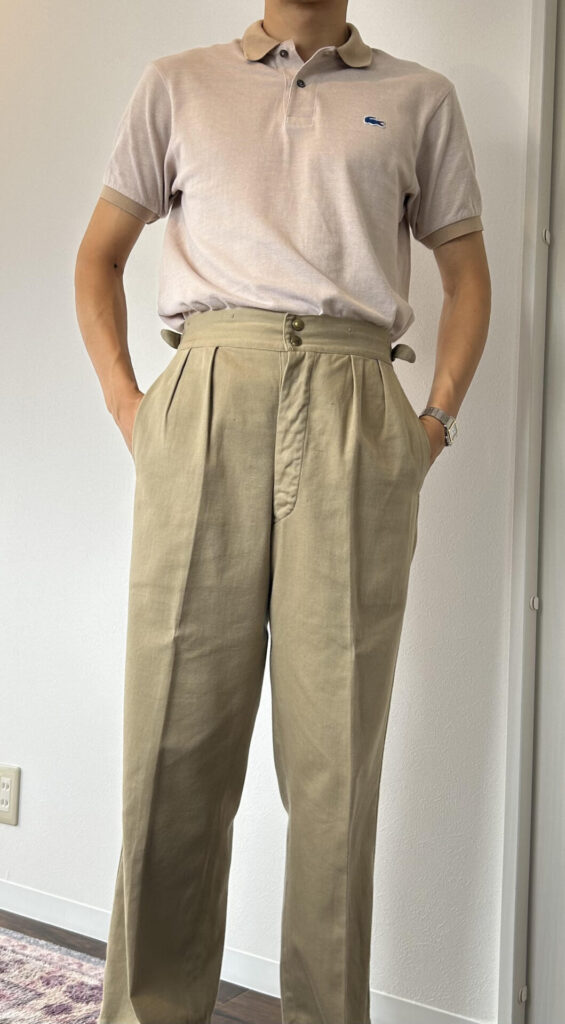
Other than that, there are basically no downsides.
It’s free, easy, and since you don’t cut the fabric, you can undo it anytime.
I’ve applied this method to all my Lacoste short-sleeve polos.
The stitching has held up perfectly, and I’m very satisfied.
If you’re interested, give it a try.



コメント