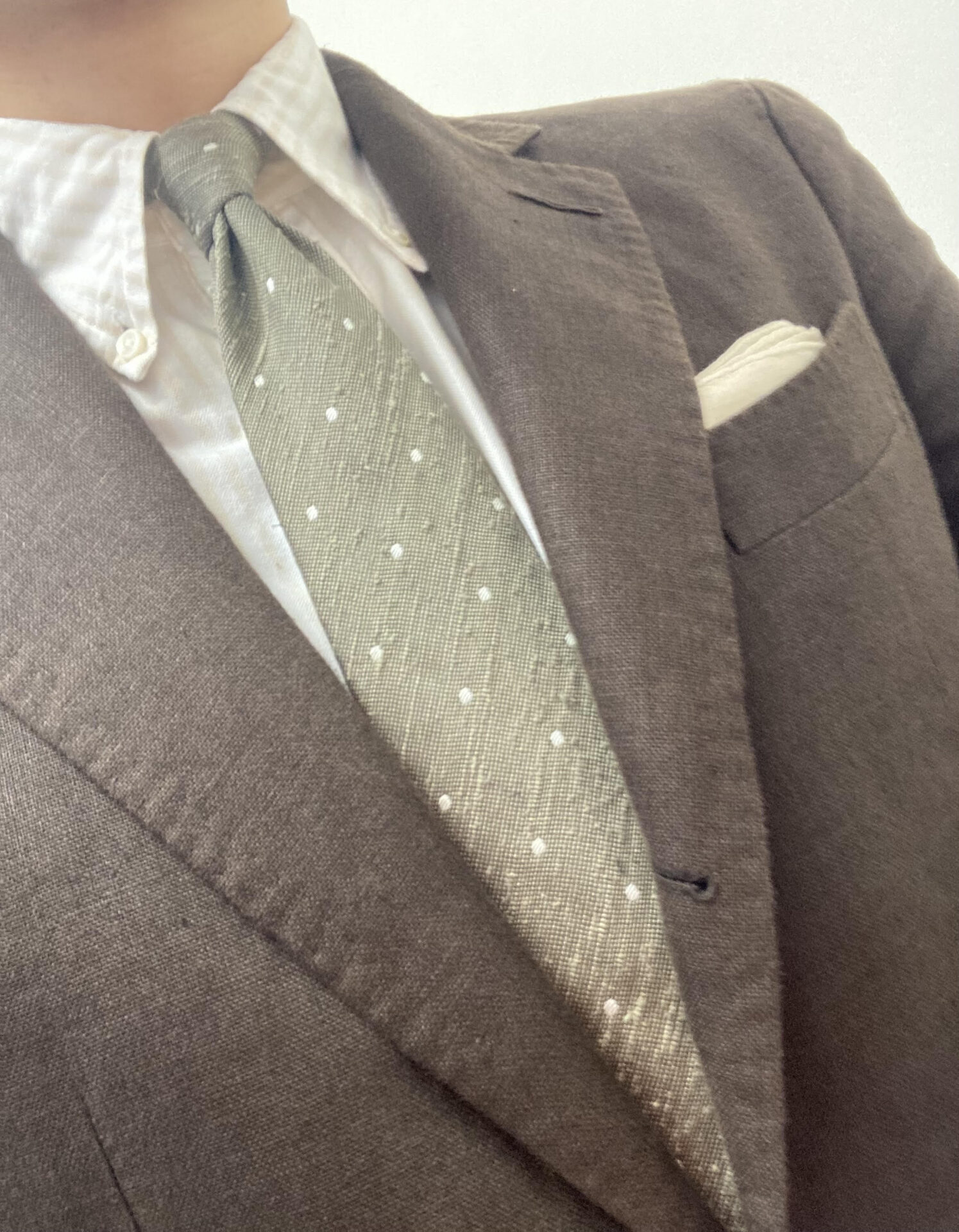
Hello, I’m Mr. Linen.
Summer is almost over. (I wrote is in September.)
I imagine those with a keen sense of style are already preparing their wardrobes for fall and winter.
Classic winter fabrics like flannel and tweed probably won’t feel right to wear until November at the earliest.
So what should we wear until the weather truly turns cold?
Wear linen!
This is, admittedly, a slightly biased take from someone who calls himself “Mr. Linen.”
The Appeal of Linen
Among all fabrics, linen is my absolute favorite—which is exactly why I go by the name Mr. Linen.
While its functionality is excellent, what I love most is its visual texture.
To be more specific, linen uses thicker yarns, has a looser weave, and features a slightly rough, uneven surface.
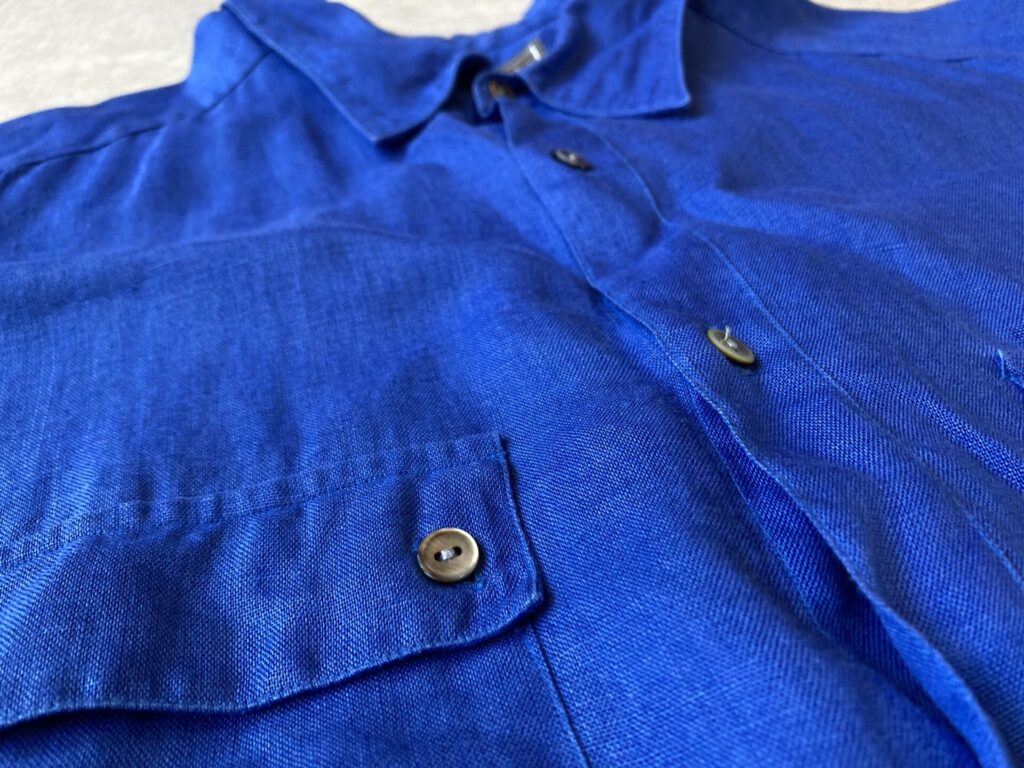
This natural roughness softens the inherent elegance of a suit, creating a well-balanced look.
On top of that, the characteristic wrinkles of linen help create a relaxed, lived-in appearance.
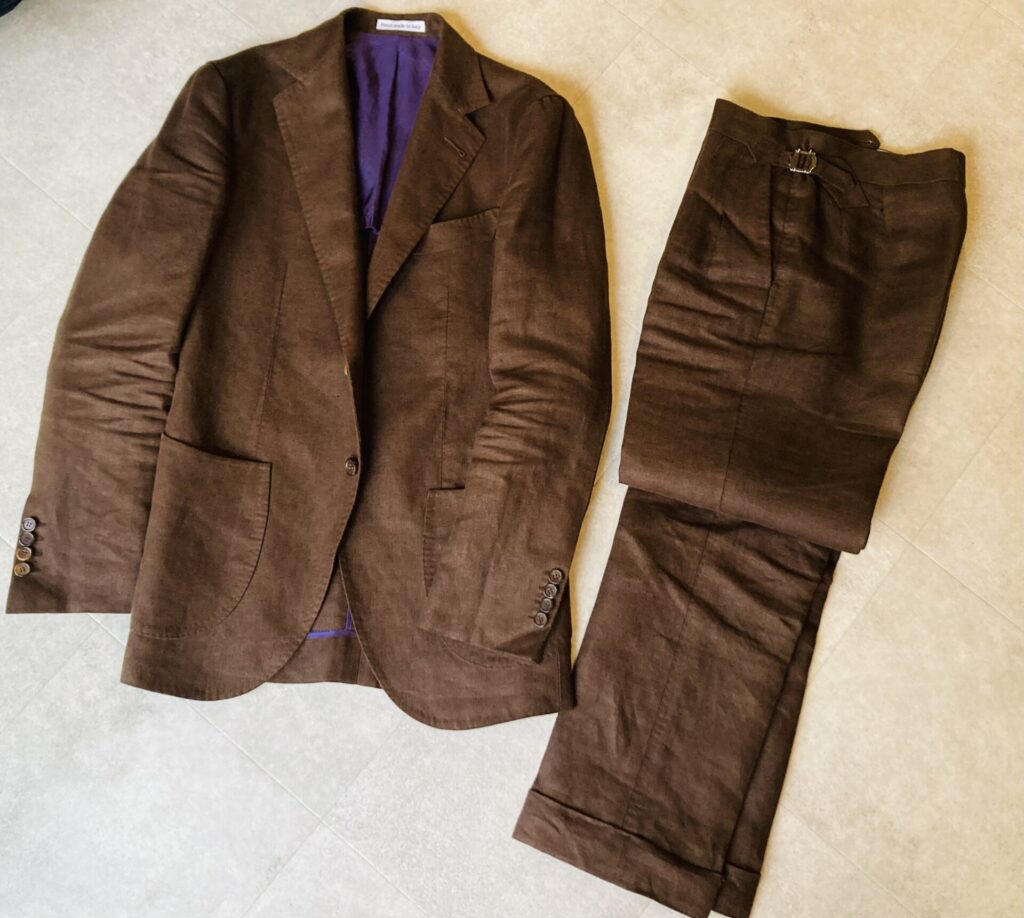
Suits are inherently stylish, but they can sometimes give off an impression of trying too show yourself cool —especially on younger people like myself.
A linen suit helps neutralize that “overdressed” feeling in a very natural way.
It’s also incredibly durable and easy to care for.
If handled properly, it can even be washed in water. The more you wash it, the tighter and stronger the fabric becomes—it can last 50 or even 100 years.
This article isn’t specifically about why linen suits are great, so I’ll stop here—but if you’re interested, please check out the article below.


Linen Suits Truly Shine in Fall
While I’ve just explained the appeal of linen suits, the reality is that they can actually be too hot to wear in peak summer.
After all, any suit is hot in the height of summer.
In midsummer, instead of a suit, I recommend a linen shirt paired with linen trousers or shorts.
A lightweight linen shirt with linen shorts is, in my opinion, even more comfortable than a typical T-shirt and shorts combination.
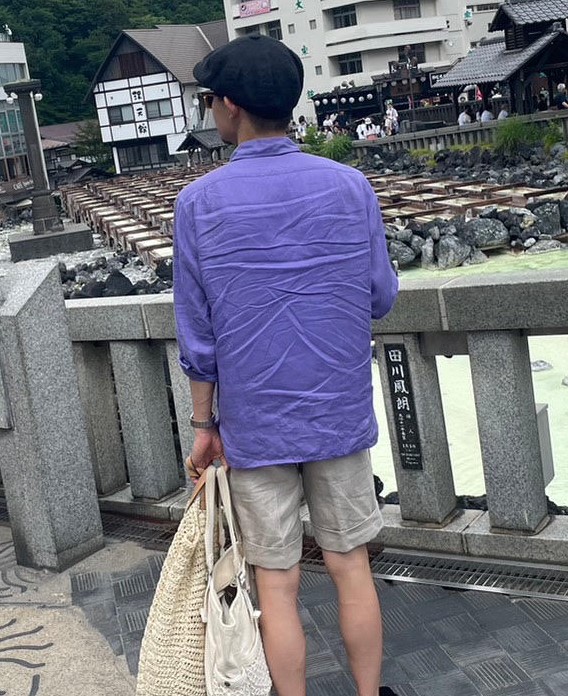
Linen dries quickly, allows air to circulate, reduces odor, and even lets you adjust your temperature easily by rolling up your sleeves when indoors.
So, when it comes to wearing a linen suit made from a somewhat heavier fabric, the best time is from September onward—once fall begins.
Linen suits in fall are incredibly comfortable.
They release lingering humidity during the still-muggy early fall period.
They also allow airflow, so even a slight breeze feels pleasantly cool.
If it’s warm indoors, you can simply take off your jacket. If the air conditioning is too strong, just put it back on.
Does It Look Out of Season?
Even if linen is functionally ideal for fall, the real issue is seasonal perception—how others see it.
Because linen is often associated with summer, wearing it in October or later may feel out of place to some people.
You can’t change how others perceive linen, so while some might find it unusual, the only option is to wear it with confidence.
Let me ask you: would you find it strange to wear a flannel suit in June?
Would you find it strange to wear a linen suit in November?
I may be biased, but I think flannel in June feels wrong—whereas linen can work even in November, or even December (in Japan).
The reason is simple: flannel is inevitably hot in June regardless of thickness, while heavy linen can feel perfectly comfortable in milder winter climates like Tokyo.
To support my argument further—there are almost no flannel shorts or flannel T-shirts.
However, linen coats and linen scarves do exist. They exist because they are functionally suitable.
Linen is often said to be one of the oldest fabrics in human history, so wearing it in winter was likely perfectly normal in the past.
Even in the coldest months like January and February, a heavy linen suit with a thick linen coat can be surprisingly comfortable in a city like Tokyo.
On the other hand, wearing a cashmere turtleneck with a flannel or tweed suit can feel unbearably hot indoors.
It’s fine if you can take off your jacket—but in situations like important meetings, that’s not always possible.
Many people have probably experienced sweating heavily indoors despite it being winter.
Sweating in winter fabrics can damage them, and they are not easy to wash (dry cleaning doesn’t effectively remove sweat).
With a linen suit, even overheated indoor environments feel manageable. Sweat dries quickly, and the garment can be washed—making it far more comfortable overall.
In summary, wearing linen suits in colder seasons is extremely comfortable—as long as you don’t worry too much about what others think.
That’s the conclusion of this section.
Changing the Image of Linen
I would love to see linen shed its “summer-only” image and be recognized as a fabric suitable year-round (admittedly, because I want to wear it that way).
Linen comes in a wide range—from thin, almost sheer fabrics to heavy ones that barely let air through.
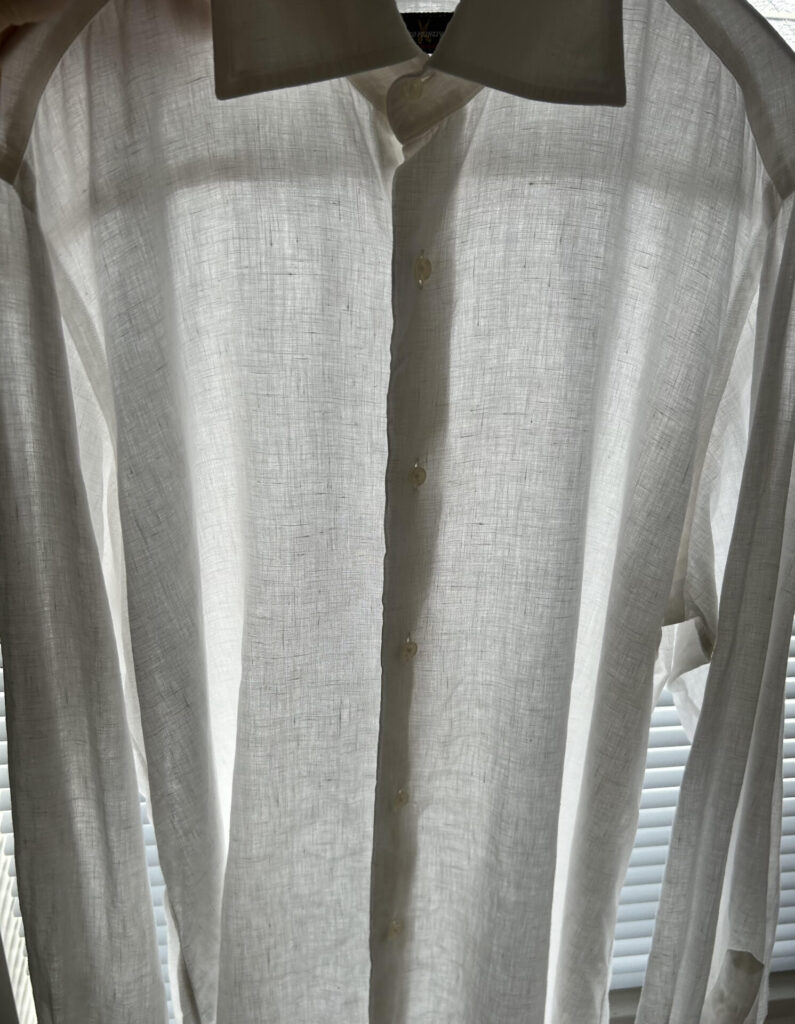
Wearing thin fabrics in winter does feel out of season—but heavy linen does not, in my view.
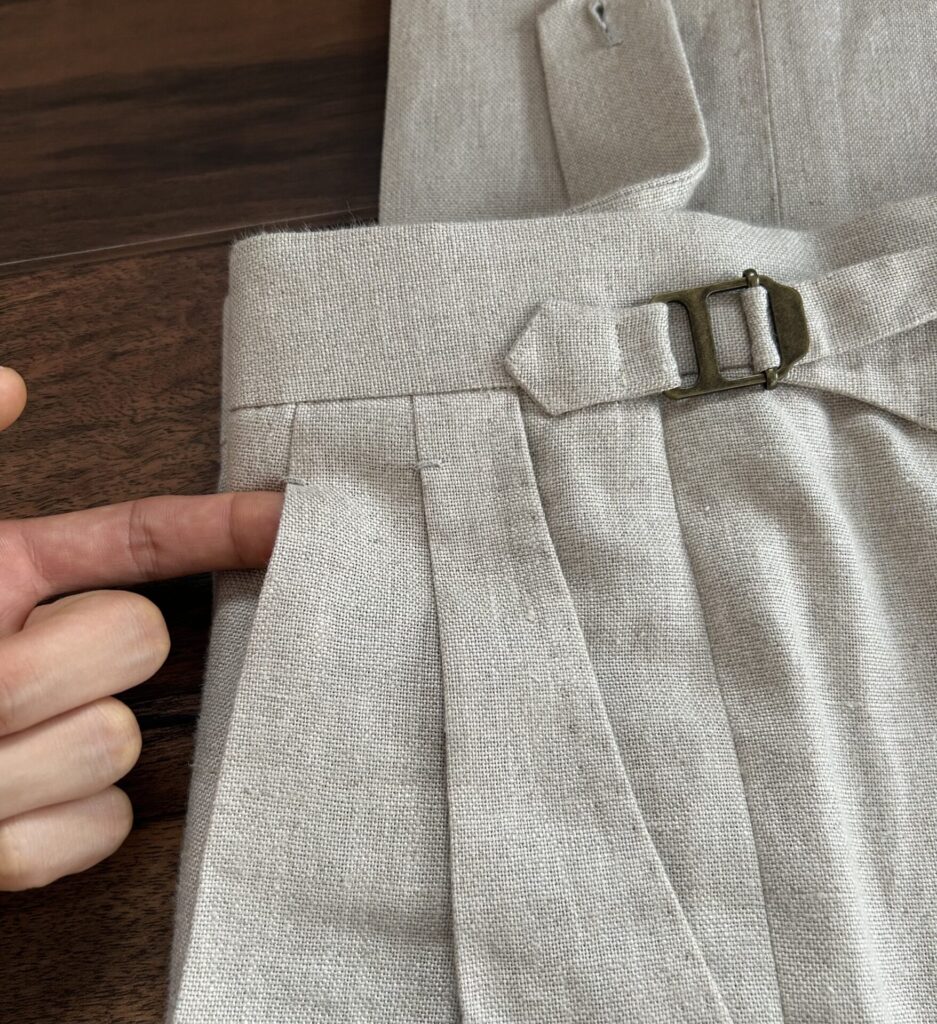
Wool, for example, ranges from lightweight summer wool to thick winter fabrics.
If linen were used the same way—lightweight versions for summer, heavier ones for winter—it could occupy the same role as wool.
For my own sake—and for fellow linen enthusiasts—I plan to continue promoting linen, little by little.
Darker Colors Work Better in Fall
While linen suits truly shine in fall, color choice does require some attention.
White, beige, and other light-colored linens tend to strongly evoke a spring/summer image.
Even if the fabric is thick and functionally appropriate, lighter-colored linen suits may feel out of season from around October onward.
Darker tones—such as dark brown, light brown, navy, gray, and olive—feel perfectly natural in fall.
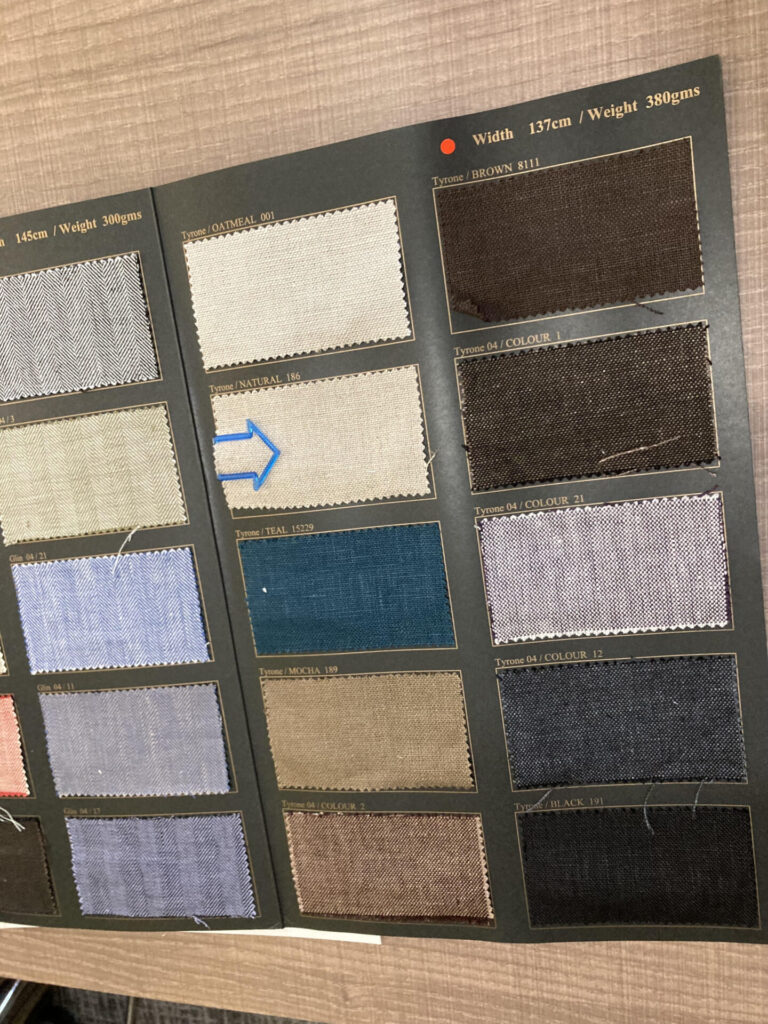
These darker shades also work in summer, as linen naturally gives them a breathable, lightweight feel.
In short: darker linen suits can be worn year-round, while lighter ones are best reserved for summer.
Conclusion
Linen is not just a summer fabric—it can be worn year-round by adjusting the fabric weight.
It is especially useful in fall.
That is the main point I wanted to share in this article.
As for me, I’ll keep working on becoming confident enough to wear linen suits even in winter without worrying about what others think.
If you love linen too, I’d be delighted to have you join me.



コメント