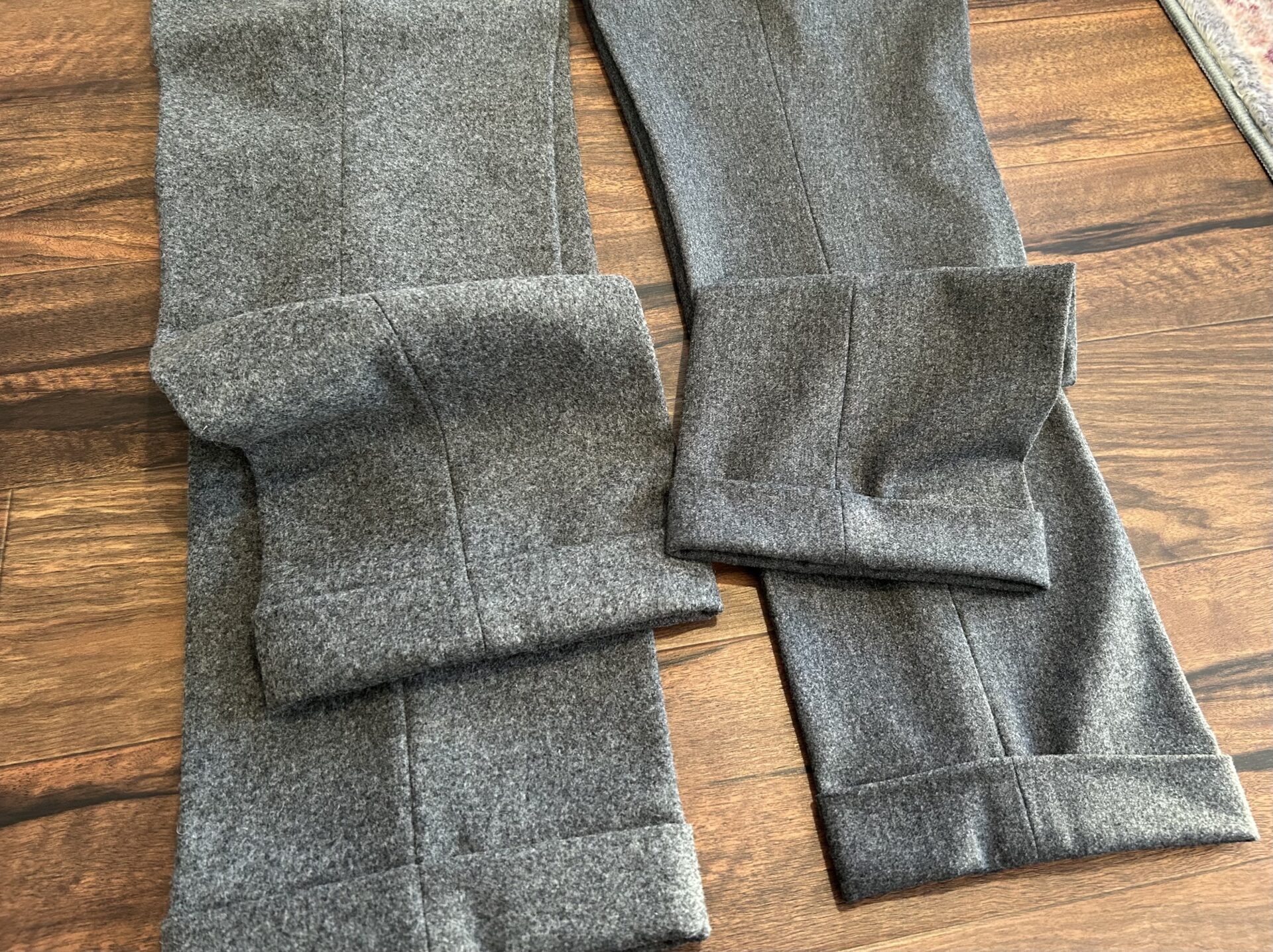
Hello, I’m Mr. Linen.
Alongside tweed, flannel is one of the quintessential fabrics for autumn and winter.
While tweed often has a distinctly country-inspired character that can make it difficult to wear in business settings, flannel retains a refined appearance, making it suitable for both professional and casual wardrobes. That’s exactly what makes it such a versatile fabric.
People often describe British flannel like this: it starts out stiff and rugged, but after years of wear it gradually molds to your body and develops incredible character.
Italian flannel, on the other hand, is said to be soft from day one. It drapes comfortably the first time you wear it and feels broken-in immediately.
That’s the common perception, at least.
As someone who loves materials that age beautifully—such as linen, tweed, and leather—I used to believe British mills were unquestionably superior. However, after actually wearing Italian flannel, I came to appreciate its strengths as well.
In this article, I’ll compare British and Italian flannel based on my own experience, discussing the advantages and disadvantages of each and sharing which I personally prefer.
British Flannel
When people think of flannel, one name immediately comes to mind: Fox Brothers. It is one of the world’s most iconic British cloth mills and has been producing premium flannel for generations.
There are, of course, many other excellent British flannel makers. However, since Fox Brothers is the only British flannel I personally own, this review focuses exclusively on their fabric.
This is the suit I had made.
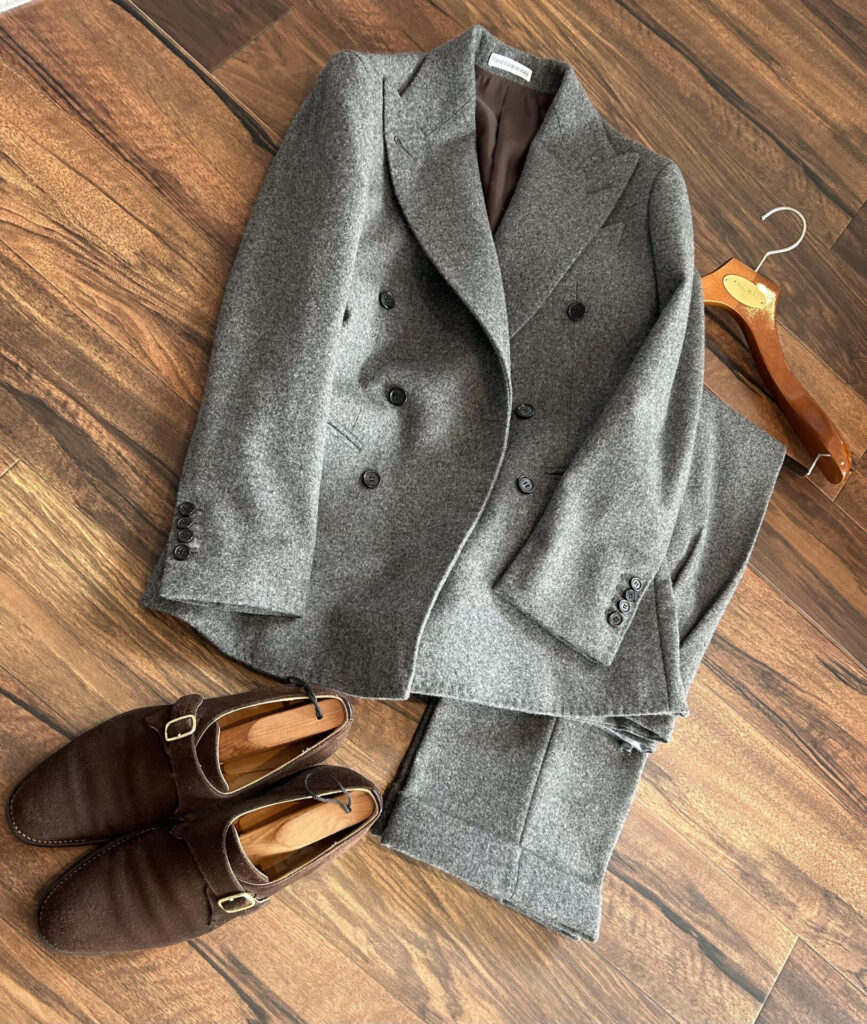
It was tailored by MICHELE&shin, a bespoke tailor located in Ginza, Tokyo.
Fox Brothers offers flannel in a wide range of weights. The cloth I chose comes from their discontinued Heritage Flannel collection and weighs approximately 500g, making it one of the heaviest suiting flannels they produced.
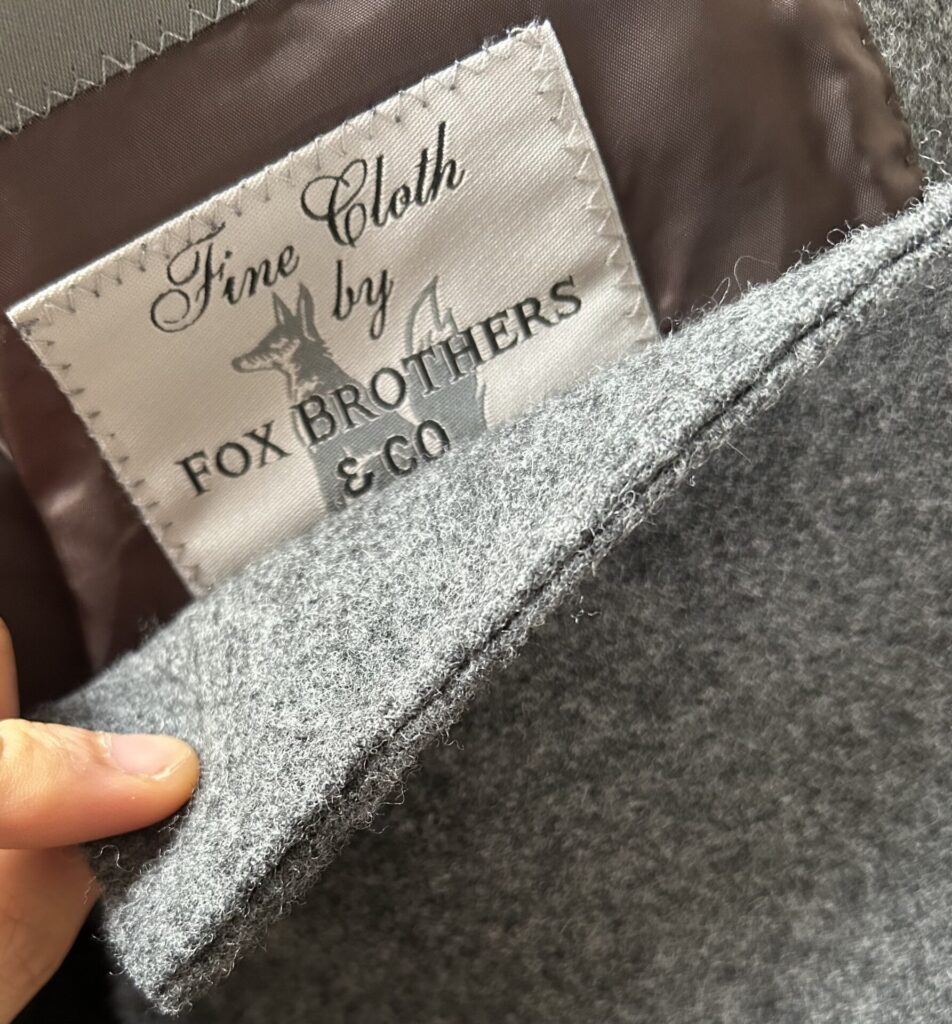
Anything heavier than this is generally used for overcoats rather than suits.
Let’s begin with the advantages.
First of all, it’s incredibly warm.
In December, I can comfortably wear this suit with nothing more than a lightweight turtleneck sweater underneath—no overcoat required.

Since this is a double-breasted suit, the overlapping front panels provide even more insulation around the torso.
Beyond the actual warmth, the fabric also looks warm. It instantly creates a rich winter aesthetic that’s difficult to achieve with lighter fabrics.
Although the cloth itself appears rugged, the brushed surface feels surprisingly smooth against the skin, with very little itchiness.
Another major advantage of such a heavy cloth is its excellent wrinkle resistance.
Even after wearing the suit all day, I noticed very few wrinkles behind the knees or at the elbows.
That also means it’s less likely to develop drag lines across the upper back. Even if your jacket isn’t fully bespoke, a heavier cloth naturally creates a cleaner silhouette. Lightweight fabrics tend to reveal fit imperfections much more easily.
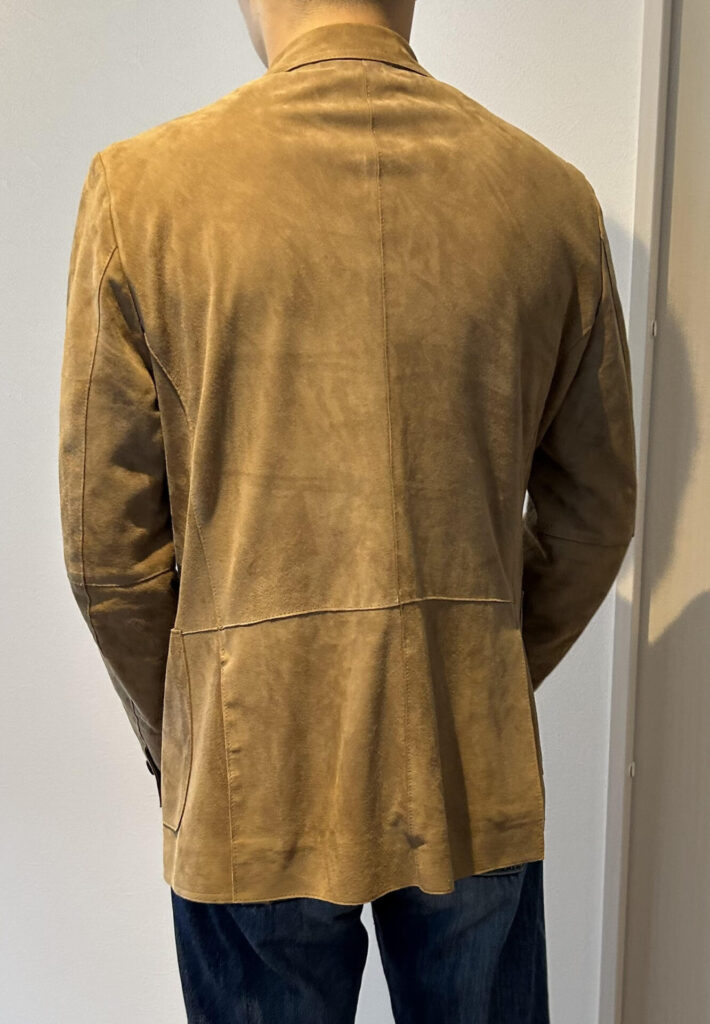
People often say that heavy fabrics “tailor beautifully,” and I completely agree. Even with less internal canvas and structure, the cloth naturally creates a sculpted silhouette.
Although this particular suit follows a soft Neapolitan style rather than a structured British cut, the fabric still gives it a satisfying balance of softness and substance.

So, are there any drawbacks?
Honestly, I think there are very few—but I’ll do my best to find some.
If I had to point out one weakness, it would be versatility.
A heavyweight 500g flannel is an exceptional winter fabric, but it inevitably has a relatively short wearing season.
In Tokyo, where I live, I find myself reaching for this suit mainly from December through February. During milder months such as November or March, it can already feel a little too warm.
Another consideration is its substantial weight. While that weight contributes to its beautiful drape, it can also feel slightly tiring if you wear it for an entire day.
This isn’t a criticism of Fox Brothers specifically—it’s simply the nature of heavyweight flannel.
Finally, because the cloth has such a distinctive seasonal character, it doesn’t offer quite the same flexibility as a medium-weight wool suit.
That said, none of these are major drawbacks. If your goal is to own one truly exceptional winter suit, I think heavyweight British flannel is one of the finest choices available.
Italian Flannel
Now let’s move on to Italian flannel.
The fabric I own is made by Vitale Barberis Canonico (VBC), one of Italy’s oldest and most respected textile mills.
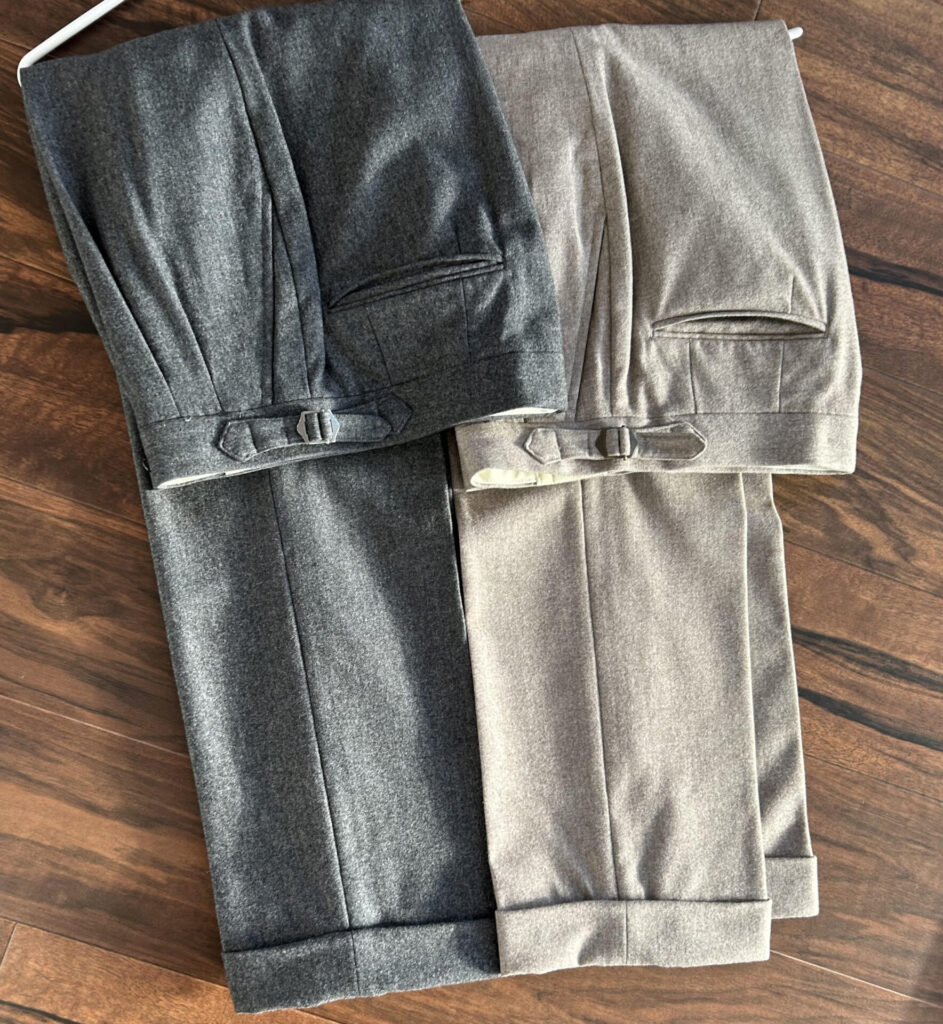
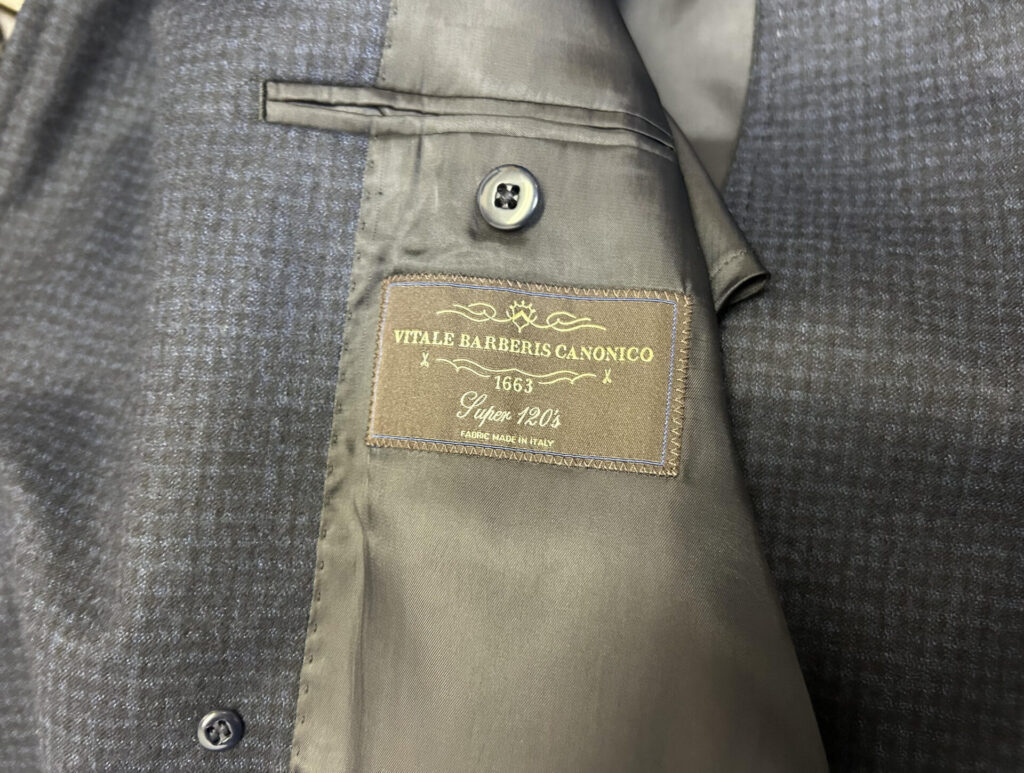
Unlike the heavyweight Fox Brothers cloth, this flannel weighs around 340g, making it a much more versatile option.
At first glance, it doesn’t appear dramatically different.
However, the moment you pick it up, the difference becomes immediately obvious.
It is noticeably lighter, softer, and more supple.
Where the British cloth feels substantial and almost architectural, the Italian fabric flows naturally with the body.
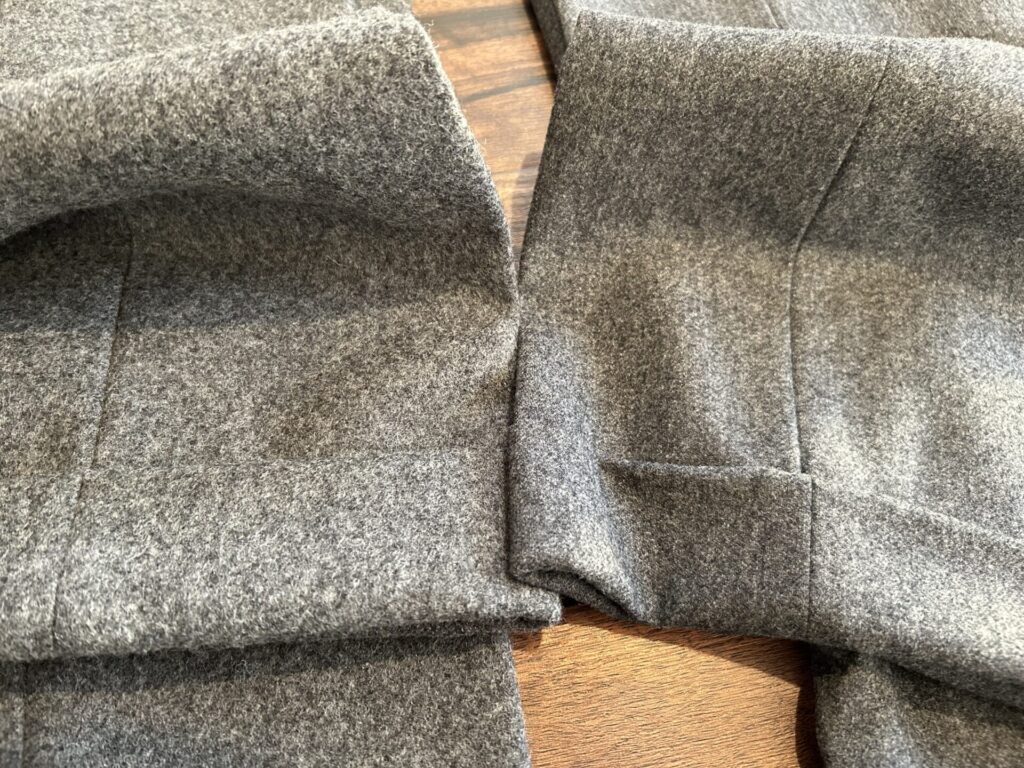
The biggest advantage is undoubtedly comfort.
From the very first wear, it already feels broken in.
It follows your movements effortlessly, almost making you forget you’re wearing a tailored jacket.
I also appreciate how versatile it is.
Compared with heavyweight British flannel, this fabric works comfortably from late autumn through early spring.
For many climates, that means significantly more opportunities to wear it throughout the year.
The softer texture also makes it easy to dress down.
It pairs naturally with knitwear, denim, suede shoes, and other casual pieces while still looking elegant enough for business casual settings.
So, does that mean Italian flannel has no disadvantages?
Not quite.
Compared with heavyweight British flannel, it naturally provides a little less warmth.
On particularly cold winter days, especially when temperatures approach freezing, you’ll likely need an overcoat if you’re spending extended periods outdoors.
Another difference is how the fabric behaves over time.
British flannel has a dense, almost armor-like construction that gives it tremendous resilience. Italian flannel, by comparison, prioritizes softness and fluidity.
That softer hand is wonderful to wear, but it also means the cloth is slightly more prone to wrinkling and won’t maintain quite the same crisp silhouette after a full day of use.
This isn’t necessarily a flaw—it simply reflects a different philosophy of tailoring.
British fabrics emphasize structure and durability, while Italian fabrics prioritize comfort, elegance, and natural movement.
Neither approach is objectively better. It simply depends on what you value most.
British vs. Italian Flannel
After owning and wearing both, I don’t think it’s accurate to say one is superior to the other.
Instead, I see them as serving different purposes.
| British Flannel | Italian Flannel | |
|---|---|---|
| Warmth | ★★★★★ | ★★★★☆ |
| Softness | ★★★☆☆ | ★★★★★ |
| Structure | ★★★★★ | ★★★★☆ |
| Comfort | ★★★★☆ | ★★★★★ |
| Versatility | ★★★☆☆ | ★★★★★ |
| Durability | ★★★★★ | ★★★★☆ |
If you’re looking for a dedicated winter suit with outstanding presence, warmth, and long-term durability, heavyweight British flannel is difficult to beat.
Its weight creates a beautiful drape, resists wrinkles exceptionally well, and develops even more character over years of wear.
On the other hand, if you’re buying your first flannel suit, or you want something that can be worn more frequently throughout the colder months, I think Italian flannel is the easier recommendation.
It’s comfortable from the very first wear, pairs effortlessly with both business and casual outfits, and offers a wider wearing season.
In other words, British flannel excels as a specialist, while Italian flannel shines as an all-rounder.
Which One Should You Choose?
If I had to declare a winner based purely on practicality, Italian flannel—especially fabrics from Vitale Barberis Canonico—comes out ahead.
It’s softer, easier to wear, suitable for a wider range of occasions, and generally offers better value for money.
For most people buying their first flannel suit, I think it’s the safer and more versatile choice.
That said, Fox Brothers offers something that no Italian mill can truly replicate.
The sheer density of the cloth, its unmistakable British character, and the way it ages with years of wear create an experience that feels genuinely unique.
It’s not necessarily the most practical fabric—but that’s exactly what makes it so appealing to enthusiasts.
If you enjoy clothing not just as something to wear but as something to appreciate and live with over time, heavyweight British flannel has a special charm that is difficult to describe until you’ve experienced it yourself.
Ultimately, I don’t believe this is a matter of deciding which country makes the “better” flannel.
Rather, it’s about choosing the fabric that best matches your lifestyle, climate, and personal taste.
If versatility and everyday comfort are your priorities, Italian flannel is hard to beat.
If you appreciate heritage craftsmanship, exceptional durability, and the satisfaction of watching a garment develop character over many years, British flannel remains one of the most rewarding fabrics you can own.
A Quick Note on Cleaning
Before finishing, I’d like to briefly touch on garment care.
Personally, I rarely use dry cleaning. Instead, I prefer carefully hand-washing many of my tailored garments at home.
I haven’t washed my Fox Brothers suit yet, but because the fabric is so incredibly dense, I suspect it would take a very long time to dry naturally.
I have washed my Vitale Barberis Canonico garments, however, and they dried surprisingly quickly during winter, making home care much easier than I expected.
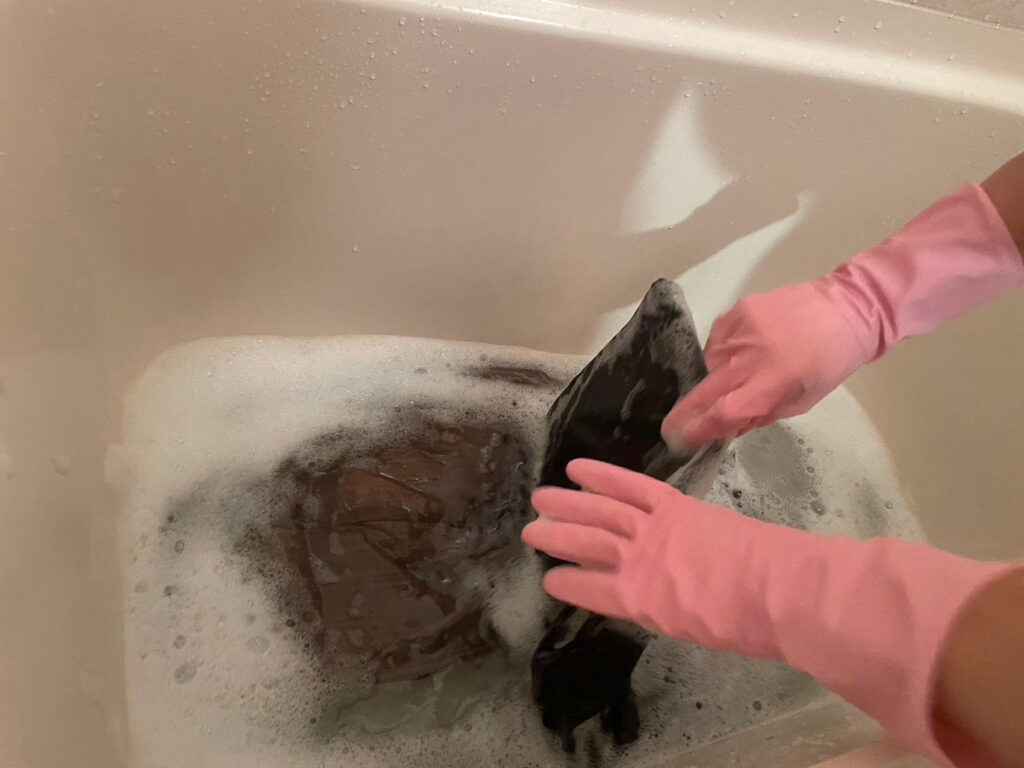
Even in terms of ease of washing, the Italian fabric came out on top.
In the end, I feel fortunate to own examples of both. Each offers a completely different wearing experience, and each reminds me why flannel remains one of my favorite fabrics for autumn and winter tailoring.
Thanks for reading, and I hope this comparison helps you choose the right flannel for your next suit.



コメント