Hello, this is Mr. Linen.
In a previous article, I wrote about the importance of the tie dimple.


My point was: “Basically, a dimple is essential. Only true masters of classic style can pull off a tie without one.”
This time, continuing from that topic, I would like to discuss the size of the tie knot.
So, how large should a truly classic tie knot be?
目次
Types of Tie Knots
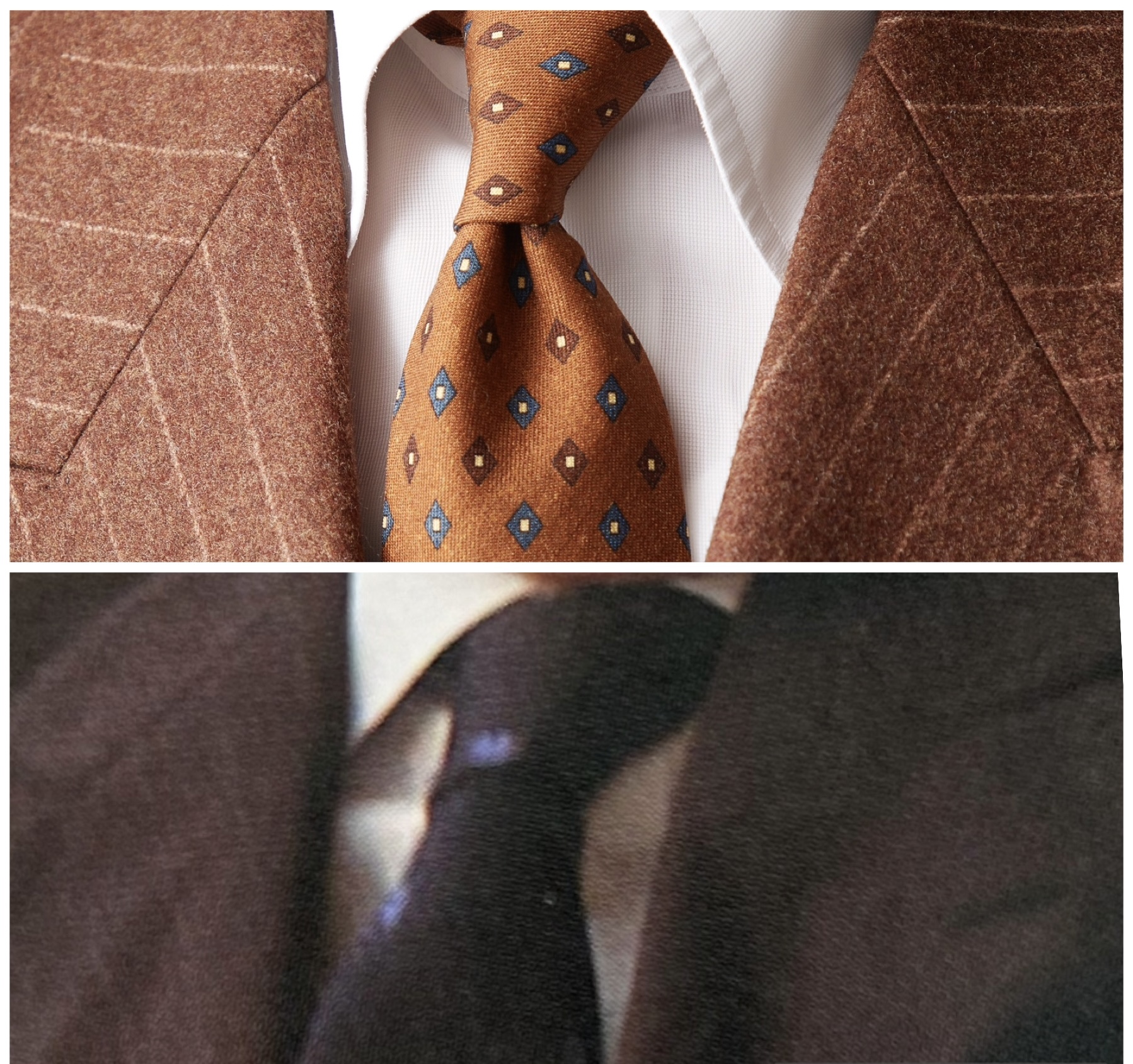
The size of a tie knot depends on three factors: the knot you choose, the thickness of the tie fabric, and how tightly you fasten it.
First, regarding knot styles—there are said to be dozens of ways to tie a necktie.
The most representative are the Four-in-Hand (Single Knot), Double Knot (Prince Albert), Half Windsor, and Windsor.
Generally, the knot becomes larger in that order, starting from the Four-in-Hand.
Some people choose different knots depending on their shirt collar shape or jacket design, while others stick to just one style.
Personally, I consider all of these knots equally classic. If in doubt, the Four-in-Hand is always a safe choice. Renowned Japanese influencer Yukio Akamine and King Charles III are both often seen wearing the Four-in-Hand.
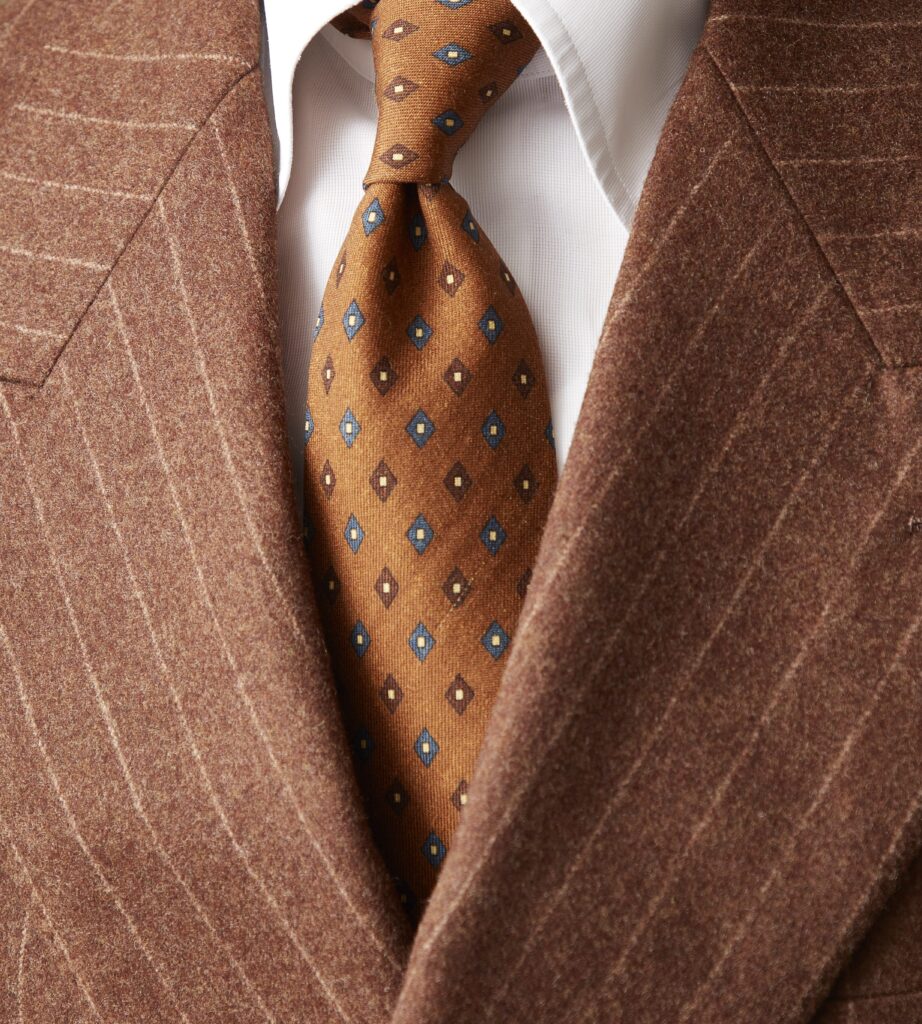
With the Four-in-Hand, if the tie ends up too long, adding an extra wrap to create a Double Knot can help adjust the length.
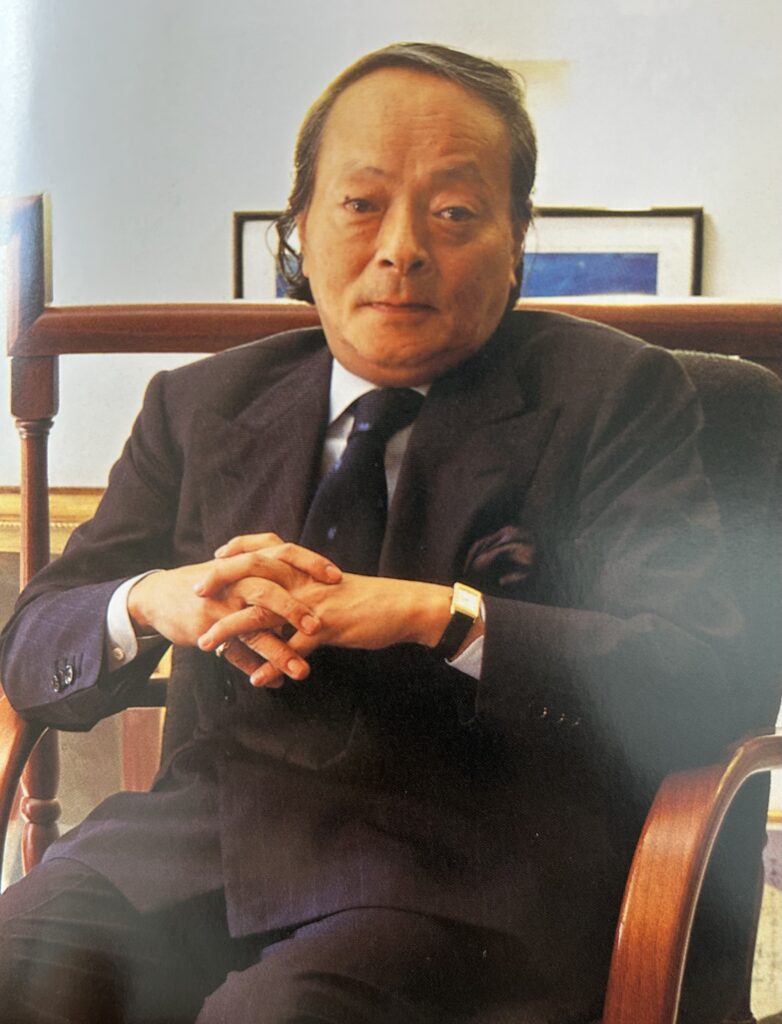
As for the Windsor knot, I have not personally worn it much, but the late Japanese menswear authority Masakatsu Ochiai noted that it pairs well with heavier fabrics such as tweed or cashmere jackets.
Thickness of the Tie Fabric
Common tie materials include silk, wool, cashmere, cotton, and linen.
Even within the same material, there are thin and thick variations—just like suiting fabrics.
Additionally, not only the outer fabric but also the interlining (which gives the tie its structure) and the lining material vary. All these elements combined determine the overall thickness of the tie.
Naturally, the thicker the tie, the larger the knot will be.
This is a slightly embarrassing photo of me wearing a very thin linen tie tied with a Four-in-Hand. The knot looks long and narrow—almost like a caterpillar. In this case, a Double Knot or Windsor would likely have been a better choice.

How Tightly You Fasten It
The final factor affecting knot size is how tightly you fasten the tie.
If you tighten it firmly, the knot becomes compact and smaller. If you leave it loose, it appears larger.
Personally, I prefer fastening it quite tightly—almost to the point of discomfort—so that the knot and the blade form a dramatic hourglass shape with a pronounced dimple.
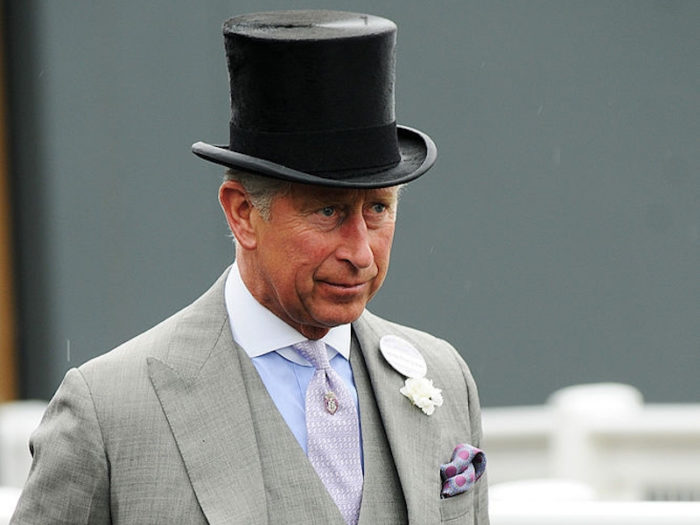
However, seasoned veterans who have mastered classic style sometimes wear their knots quite loose.
A prime example is the late Masakatsu Ochiai, whom I frequently mention on this blog.
He wrote: “Italians intentionally fasten the Double Knot loosely, creating space at the chest. Because their suits can appear overly neat and structured, they seek to introduce a natural, relaxed feeling—like the soft curve of a barrel.”
Hearing that explanation, a loose knot suddenly begins to look effortlessly stylish.
On the opposite end of the spectrum is Japanese menswear influencer Yoshimasa Hoshiba, who favors very compact knots.
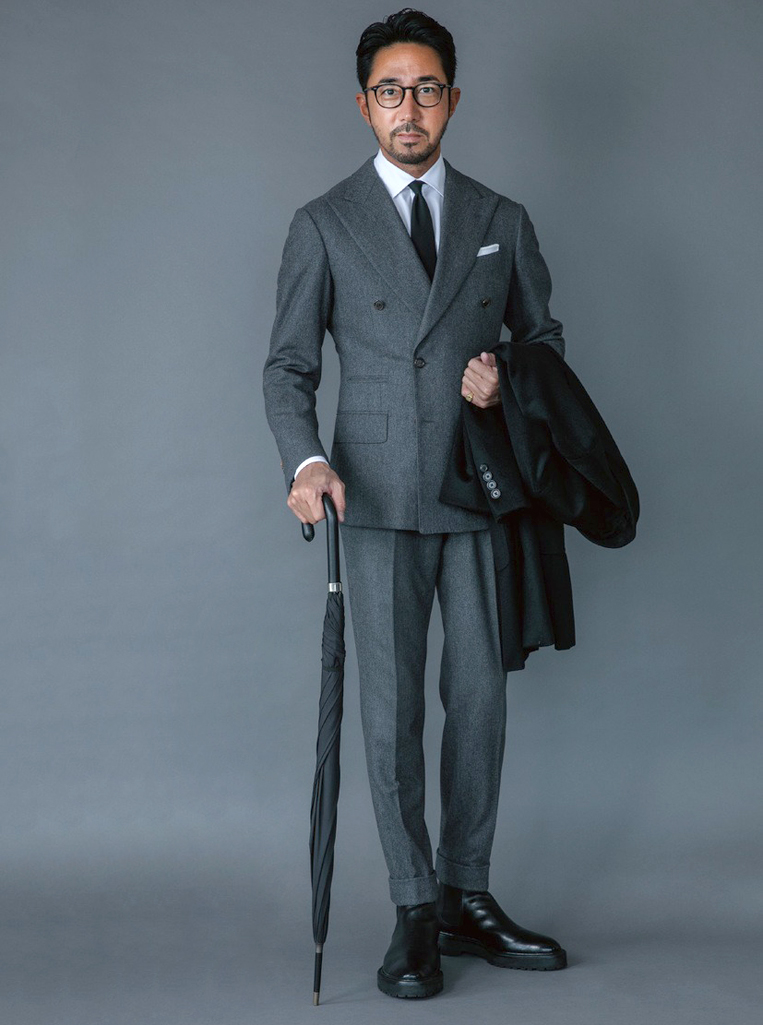
Because he often wears slimmer ties and fastens them tightly, the knot appears quite small.
He is undoubtedly knowledgeable about classic menswear, so from a strictly traditional perspective this size might be considered slightly unconventional. Yet it clearly expresses his personal style—and that, in itself, is compelling.
I recall reading somewhere that a smaller knot can make your face appear smaller as well.
Conclusion: The Most Classic Knot Size
So, what size knot can truly be called the most classic?
Perhaps an unhelpful answer—but one that is neither too large nor too small, and does not draw unnecessary attention. In other words, well-balanced.
If that sounds too vague, here is something more concrete: a Four-in-Hand, fastened fairly tightly, will most likely result in a properly balanced classic knot.
If the tie is on the thinner side, a Double Knot may be preferable (as in my earlier unfortunate example).
Finally, I would like to share another insightful quote from Masakatsu Ochiai regarding tie knots:
“Before worrying about whether a knot suits you, first consider the compatibility between the knot and the fabric. When the knot matches the material, even a style you rarely attempt may begin to suit you. Never decide from the outset that a certain knot does not suit you. It is important to cultivate the habit of tying several different knots regularly.”



コメント