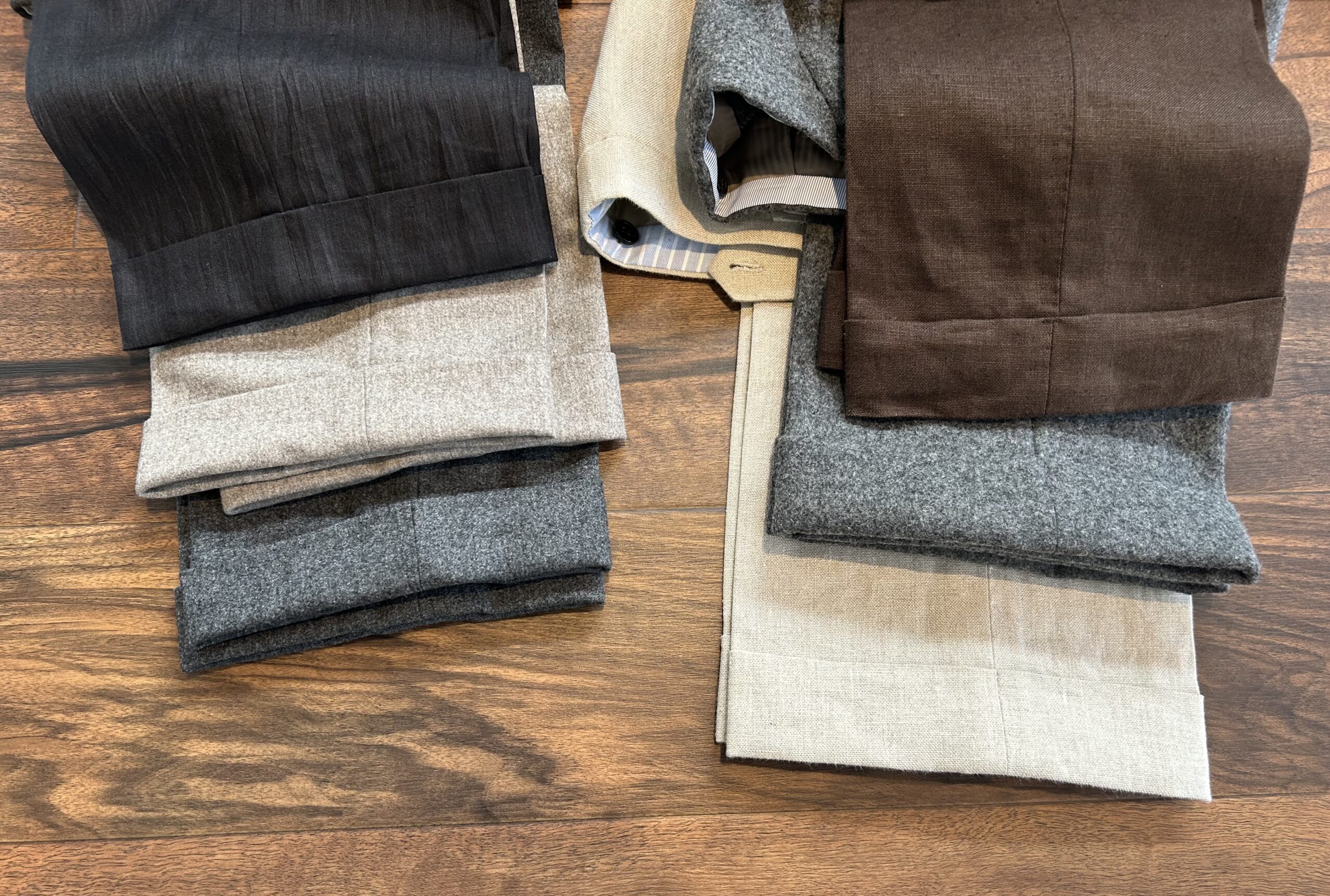
Hello, this is Mr. Linen.
When it comes to suit or jacket-and-trousers ensembles, most dress trousers—except for highly formal garments like tuxedos—are typically finished with turn-ups, also known as double cuffs.
It’s not that plain hems (single, without cuffs) are un-classic, but if you look at well-dressed men throughout history and across countries, the majority of classic stylists choose cuffs.
Setting aside the debate of “single vs. double,” the question for today is this: If you choose cuffs, what width is considered correct—or most classic?
This article explores that question in depth.
目次
Conclusion: 3.5–5 cm
To state my conclusion upfront, I believe the classically acceptable range is 3.5 to 5 centimeters.
Below, I will explain why.
A quick survey of online articles—not personal blogs like mine, but professional sites such as magazines and menswear retailers—shows a variety of recommendations:
FORZA STYLE (interview with Mr. Yukio Akamine):
“5 cm is the standard.”
“Generally 4–4.5 cm.”
“The typical cuff width is 3.5–4.5 cm.”
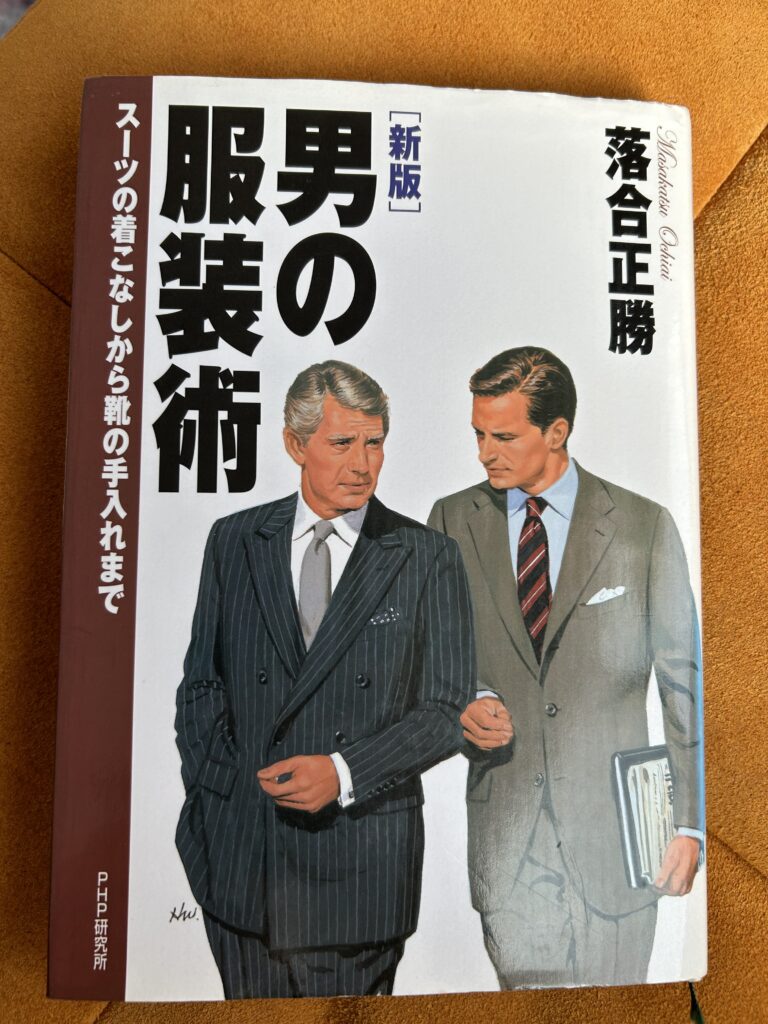
In the books by Mr. Masakatsu Ochiai—which I treat as a personal textbook—the recommended width is 3.5–4 cm.
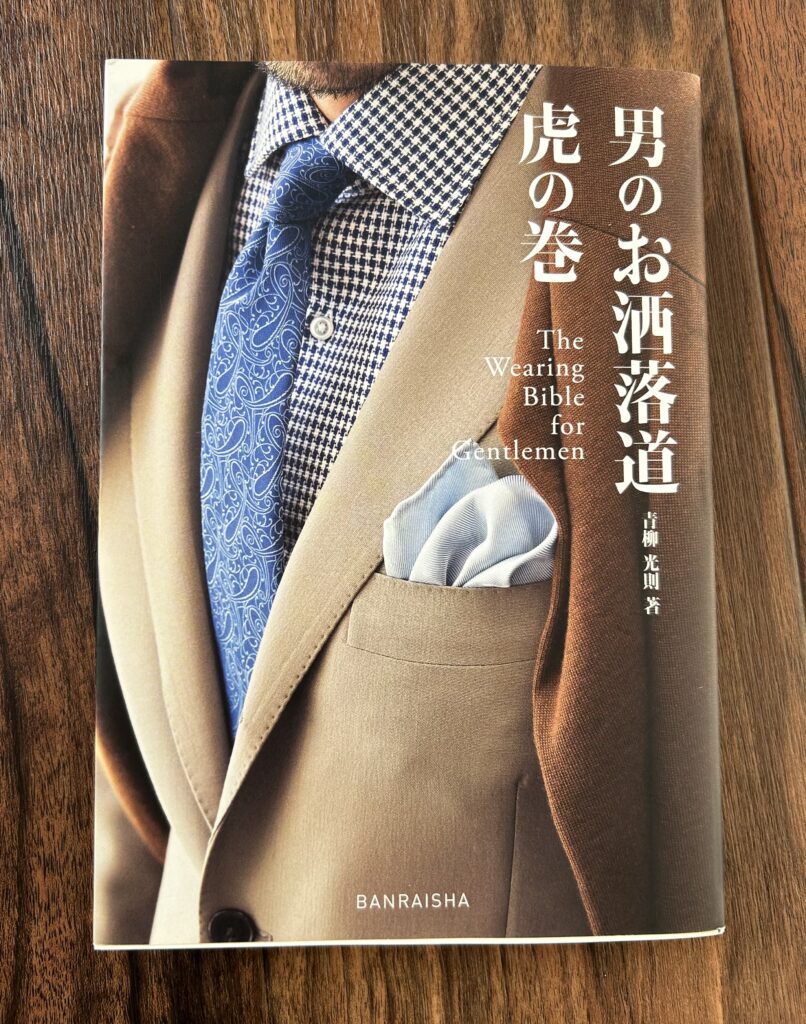
Mr. Mitsunori Aoyagi’s Otoko no Oshare-dō Tora no Maki states the same: 3.5–4 cm.
Only Mr. Yukio Akamine’s “5 cm” opinion stands out as considerably wider compared to others. However, I have neither the grounds nor the qualification to dismiss his view. Therefore, I chose the inclusive range of 3.5–5 cm as a provisional conclusion that accommodates all these perspectives.
Height and Hem Width
When deciding cuff width, height must first be considered.
Generally speaking, the taller the wearer, the wider the cuffs can be while maintaining balance.
Since human height can vary from 140 cm to over 230 cm, stating “3.5–5 cm is ideal” is meaningless without defining the assumed height range.
For practicality, let’s discuss this within a typical height range of 160–200 cm.
Another factor is the hem width of the trousers.
According to the Atelier Berun (japanese tailor) column:
“For trousers with a wider hem, opt for a narrower cuff; for slimmer hems, slightly wider cuffs will appear more balanced.”
Thus, height and hem width should both be considered.
“It depends on the overall balance.”This makes it difficult to prescribe a universal cuff width. For amateurs like myself, the conclusion becomes difficult.
How Do the Giants of Classic Menswear Do It?
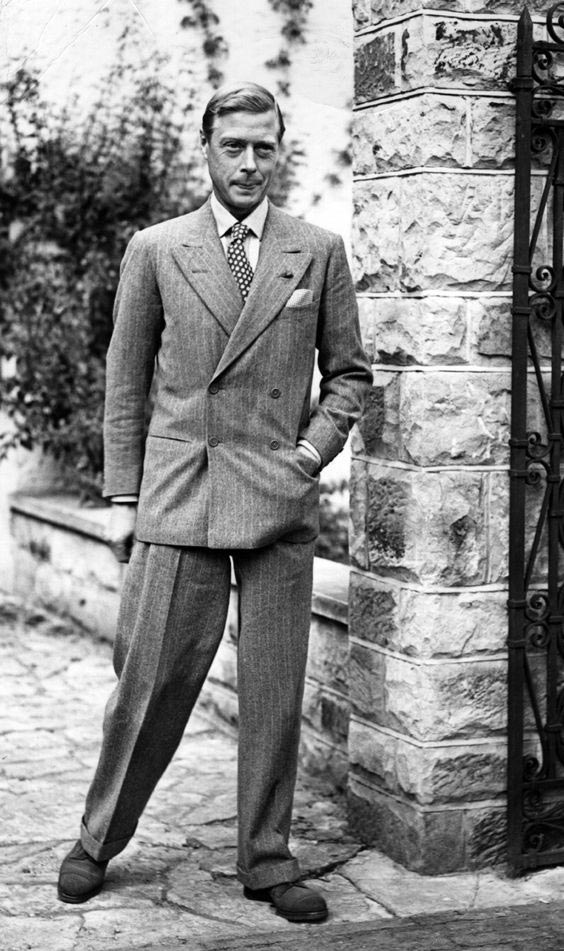
Looking at historical photos of the Duke of Windsor—whose style is universally revered—his cuffs appear to be under 5 cm. Considering he was reportedly around 170 cm tall, the width seems roughly 4–5 cm. (If I’m mistaken, I sincerely apologize. I welcome insights from professionals who can judge measurements by eye.)

King Charles III also appears to favour around 4–5 cm.
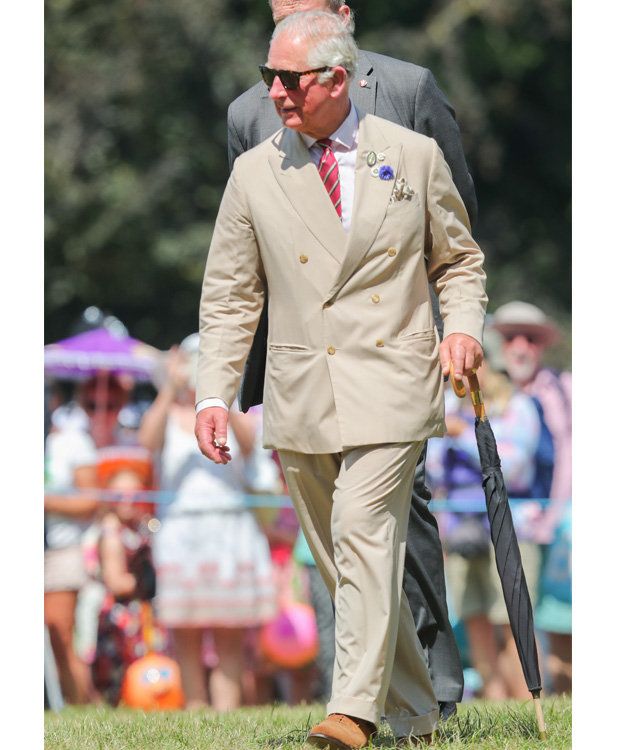
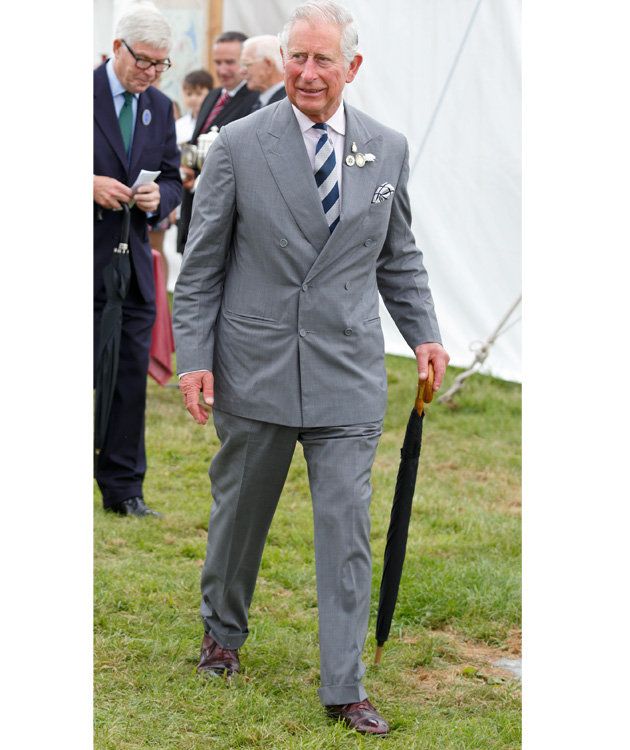
Both British gentlemen seem to maintain a similar proportion between their height and cuff width.
Mr. Yukio Akamine, on the other hand, appears to use a slightly wider cuff relative to his height. This gives a subtly bolder impression.
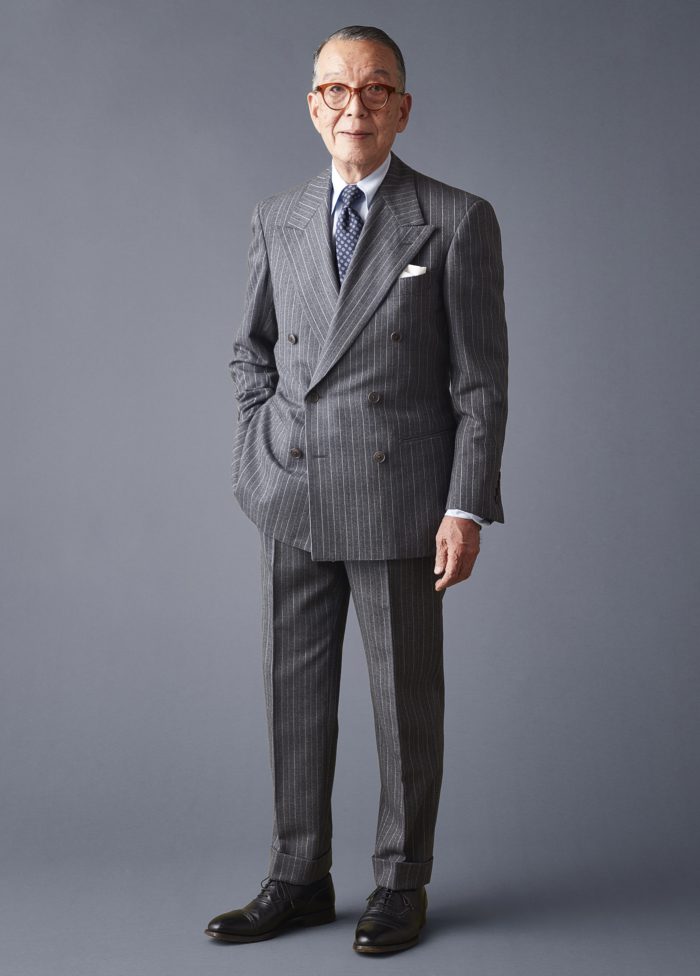
Looking to Italy, Gianni Agnelli—often considered one of the most stylish men in Italian history—seems to adopt nearly the same balance as the two British icons.
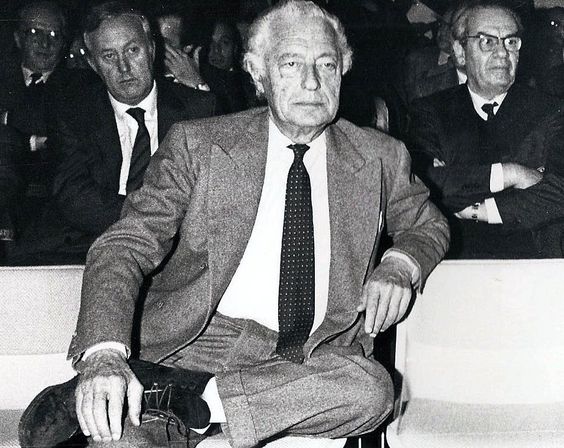
From these examples, we can say that a cuff within this range sits comfortably within the boundaries of classic style.
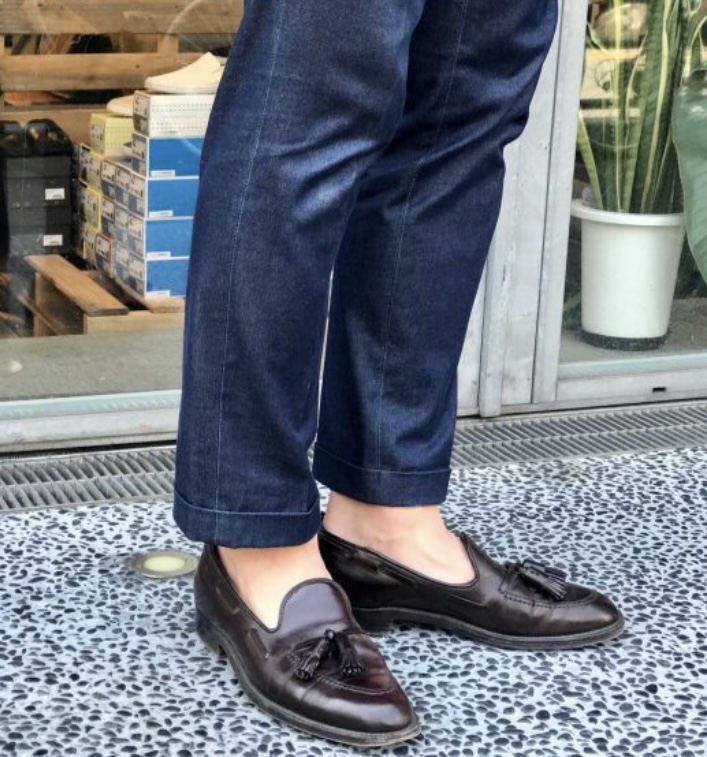
Conversely, this photo shows cuffs that look slightly too narrow.
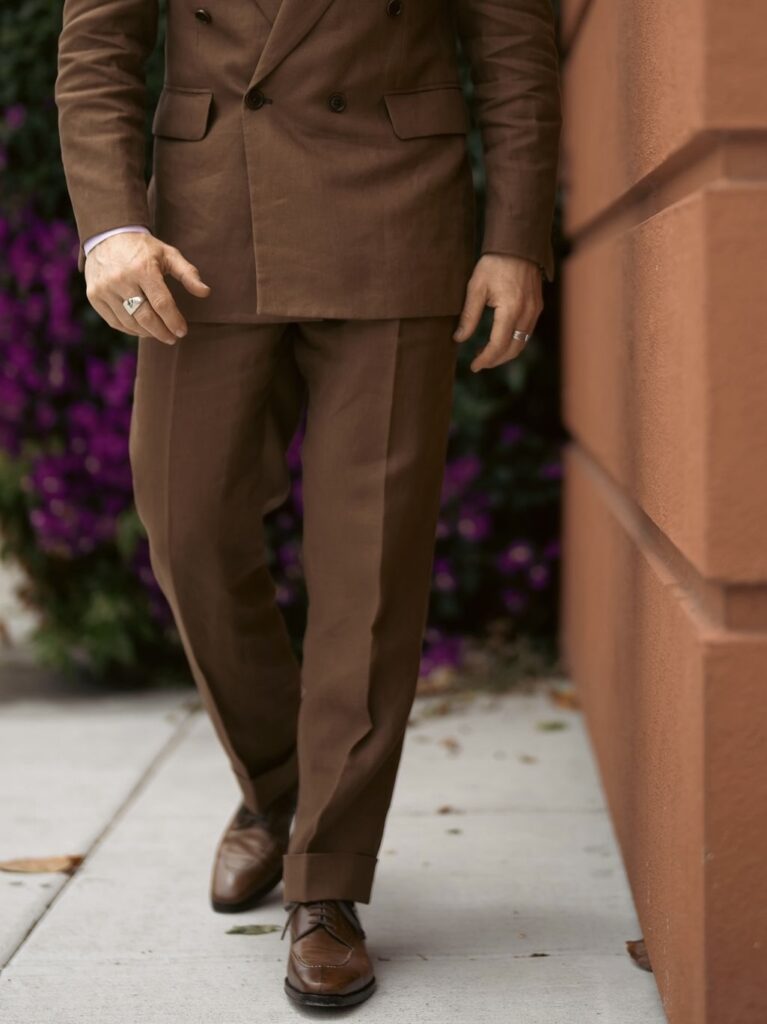
This one appears a bit too wide.
And if we translate this “classic boundary” into numbers, it becomes 3.5–5 cm.
Summary and My Personal Thoughts
To conclude, let me share a personal note.
I have been heavily influenced by Mr. Yukio Akamine (and still am). I imitated much of what he teaches in his videos on YouTube: the medium grey suit, the softly rolling shirt collar, and so on.
After hearing his view that “5 cm is the standard,” I began specifying 5 cm for every alteration and every trouser order. I didn’t question it—I believed 5 cm was the one and only classic width.
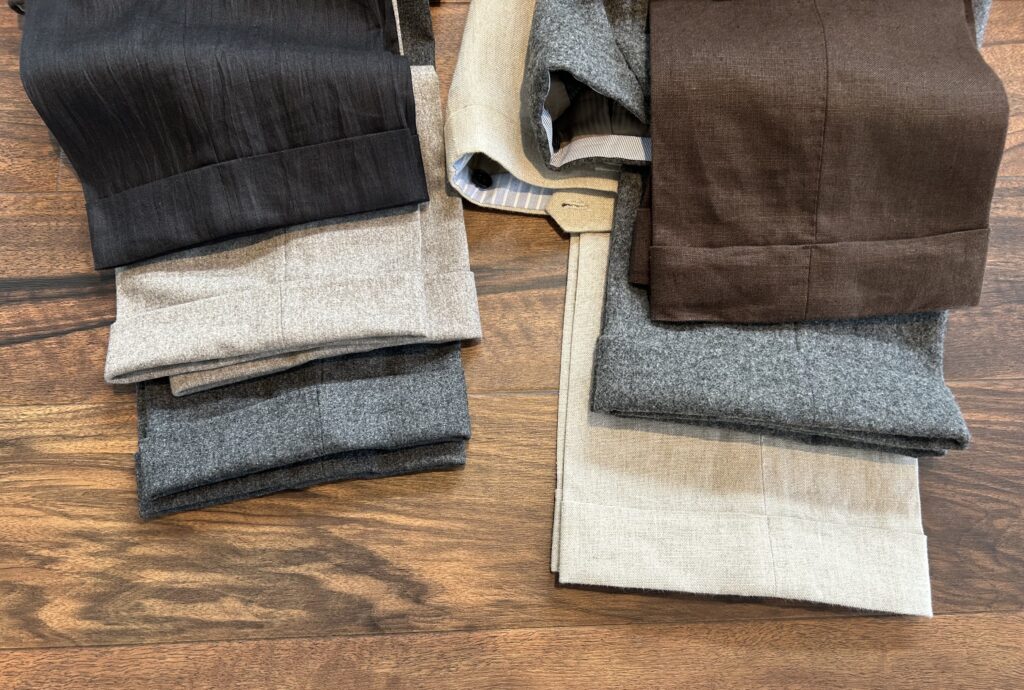
When I ordered trousers from Mr. Takeuchi of Atelier Berun, he recommended somewhere in the high 3 cm to 4 cm range.
Of course, I did not insist, “Please make them 5 cm.” I followed his recommendation.
To be clear, this is not about who is correct. Both are correct.
Within the framework of classic menswear, each has their own fully developed style, shaped by extensive experience and knowledge.
Fixing a single cuff width for all trousers is one valid stylistic approach. Adjusting the width according to the trouser’s design is another.
As for me, I do not yet have a fully formed personal style.
At the moment, 4 cm feels a bit narrow, and I prefer around 5 cm, but I am not confident enough to call this my fixed style.
I plan to try 5 cm, 4 cm, and even 3.5 cm, which I have never tried before.
Rather than rejecting unfamiliar widths, I want to wear them all and gradually discover what feels right for me over time.



コメント